AI-Driven Features in Modern Video Editing Software
20 February 2026
Video editing has come a long way from the days of manually splicing film reels together. Today, artificial intelligence (AI) is revolutionizing the process, making video editing faster, smarter, and more intuitive. But how exactly does AI fit into modern video editing software?
In this article, we'll dive into the AI-driven features that are changing the way content creators, filmmakers, and even casual users edit videos. If you've ever wondered how AI is making video editing easier, you're in the right place.
How AI Transforms Video Editing
AI isn't just about automation—it's about making your workflow smoother, reducing tedious tasks, and even improving video quality. Whether it's auto-generating captions, improving color correction, or even crafting entire edits, AI is shaping the future of video content.Let's break down the key AI-powered features that are transforming modern video editing software.
1. AI-Powered Auto Editing
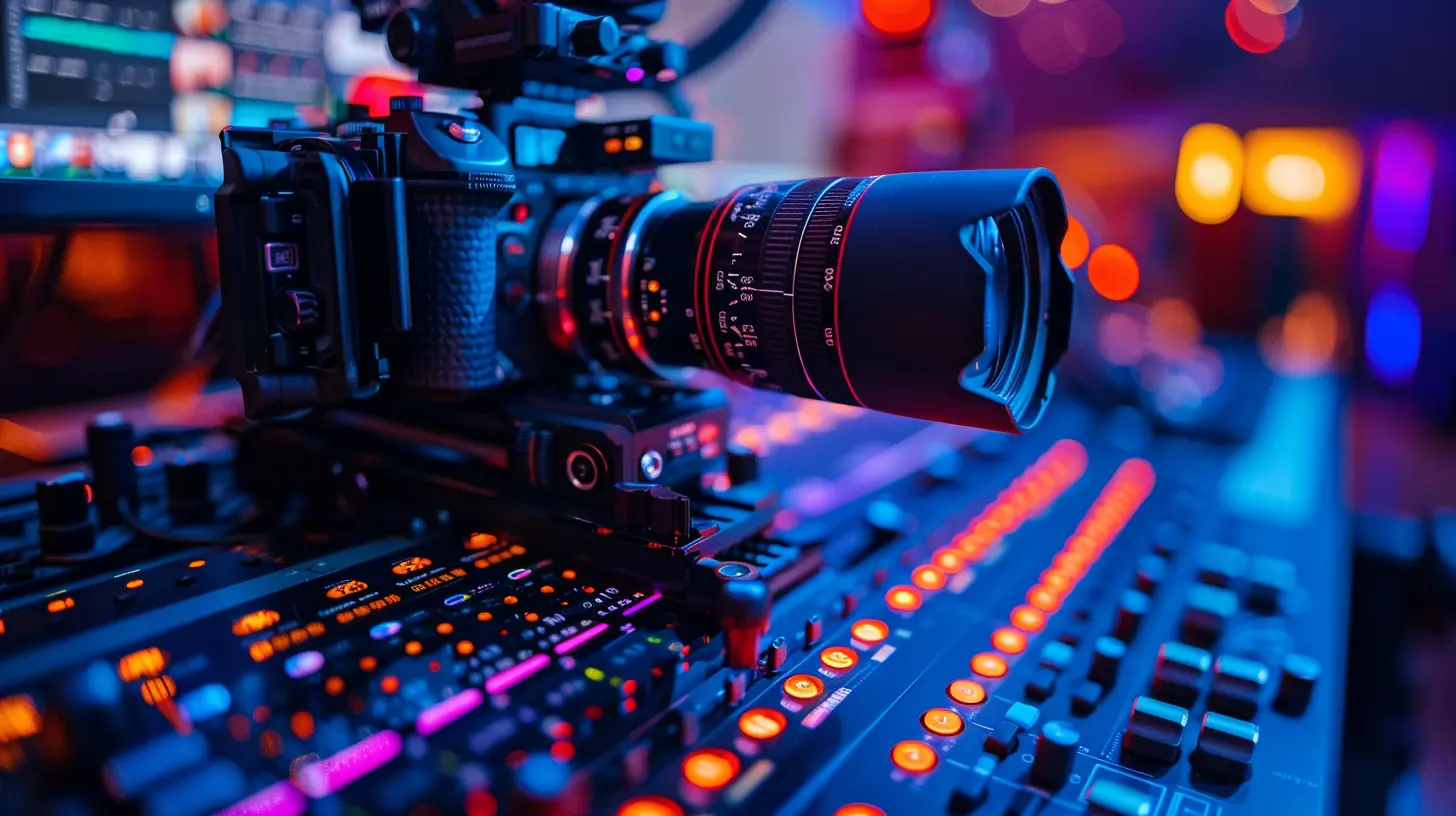
Editing a video can take hours, but AI can significantly cut down that time. Many video editing tools now use AI to analyze footage and automatically generate edits based on the best shots, transitions, and pacing.How It Works:
- AI scans your raw footage, detecting faces, dialogue, and motion.- It selects the best clips and assembles them into a coherent sequence.
- It even suggests background music and applies smooth transitions.
This is a game-changer for content creators who need to churn out videos quickly, like YouTubers, marketers, and social media influencers.
2. Intelligent Scene Detection
Manually cutting and arranging clips can be tedious, especially for long videos. AI-driven scene detection can automatically recognize different scenes and segment your video accordingly.Why It’s Useful:
- It saves time in organizing footage.- It helps editors quickly find key moments in a video.
- It makes it easier to apply effects or transitions to specific scenes.
This feature is particularly useful for documentary makers and long-form content creators who deal with lengthy footage.
3. AI-Based Color Correction & Grading
Ever watched a video with inconsistent colors? AI can help fix that. Advanced AI algorithms analyze scenes and apply color corrections automatically for a consistent look.What It Can Do:
- Match colors across multiple clips.- Enhance lighting and exposure.
- Apply pre-set or customized aesthetic styles.
With AI handling color correction, editors can focus more on storytelling rather than spending hours fixing lighting issues.
4. Automatic Subtitle and Caption Generation
Subtitles and captions are no longer just for accessibility—they’re essential for engagement, especially on social media where many people watch videos on mute.How AI Helps:
- AI-powered tools transcribe spoken words into text with remarkable accuracy.- They can even translate subtitles into multiple languages.
- They automatically sync captions with the spoken dialogue.
This is perfect for content creators who want to reach a global audience without the hassle of manually creating subtitles.
5. Smart Object Removal
Have you ever recorded a perfect shot… only to realize there's an unwanted object in the background? AI can now remove unwanted objects, people, or even background distractions seamlessly.How It Works:
- AI detects and isolates the unwanted object.- It intelligently fills in the background using surrounding elements.
- The result? A clean and professional-looking video.
This feature is a huge win for filmmakers, vloggers, and even product marketers who want polished, distraction-free footage.
6. AI-Enhanced Audio Editing
Bad audio can ruin even the best visuals. Thankfully, AI is now making audio editing much easier.AI Audio Tools Can:
- Remove background noise automatically.- Enhance voice clarity and balance audio levels.
- Detect and sync audio with video seamlessly.
No more worrying about poor microphone quality or background chatter—AI helps ensure your audio is just as polished as your video.
7. Facial Recognition & Emotion Detection
Facial recognition isn’t just for unlocking your phone—it’s also transforming video editing. AI can detect faces, track them, and even analyze emotions in a scene.What This Means for Editors:
- Easy face tracking for effects, blurring, or highlighting.- Automatic tagging of people in large video projects.
- AI-generated emotion-based editing (e.g., zooming in on emotional reactions).
This is particularly useful for vloggers, interview-based content, and filmmakers who want to emphasize emotional moments.
8. AI-Powered Motion Tracking
Motion tracking has always been a tricky aspect of video editing, but AI has made it significantly easier.How It Works:
- AI detects and follows a moving object in a clip.- Editors can easily attach text, graphics, or effects to the moving object.
- The result is smooth, precise tracking without the frustration of manual keyframing.
This feature is widely used by action filmmakers, sports content creators, and even influencers adding animated effects to their videos.
9. Deepfake & AI-Based Visual Effects
AI-generated deepfake technology is controversial, but it's also being harnessed for creative, ethical video applications. From AI-driven face swapping to generating realistic CGI characters, AI is pushing the boundaries of what’s possible in video editing.What AI Visual Effects Can Do:
- Create realistic digital characters.- Replace faces in videos with AI-generated alternatives.
- Generate surreal or futuristic visual effects effortlessly.
While deepfake technology has its ethical concerns, when used responsibly, it offers exciting creative possibilities for filmmakers.
10. AI-Generated B-Roll Footage & Stock Video Suggestions
Finding the perfect stock footage or B-roll can sometimes be a headache. AI is now helping editors by suggesting relevant clips based on their video content.How It Works:
- AI analyzes the content and suggests stock footage that matches the theme.- It can even generate synthetic B-roll using AI-generated visuals.
- This saves time and makes video editing more efficient.
For content creators who rely heavily on stock footage, this is a massive time-saver.
The Future of AI in Video Editing
AI-driven video editing is only going to get better. As machine learning algorithms improve, we can expect even more mind-blowing features like AI-generated scripts, fully automated film edits, and real-time AI-driven cinematography.With AI making editing faster and more intuitive, the focus shifts from technical aspects to pure creativity. The future of video editing isn't just automated—it's incredibly innovative.
Final Thoughts
AI-driven video editing isn’t just a passing trend; it's reshaping the entire industry. Whether you're a professional filmmaker, content creator, or just someone looking to edit videos more easily, AI-powered tools offer incredible advantages.From automatic scene detection to smart audio enhancement, AI is eliminating the mundane parts of editing, allowing creators to focus on what really matters—telling compelling visual stories.
So, the next time you're editing a video, don't be surprised if an AI-powered tool jumps in to lend a hand. The future of video editing is here, and it's smarter than ever.
all images in this post were generated using AI tools
Category:
Video Editing ToolsAuthor:

Reese McQuillan
Discussion
rate this article
2 comments
Pia Barron
Great insights on the integration of AI in video editing! It's fascinating to see how these innovations enhance creativity and efficiency for editors. Looking forward to exploring these features in my own projects. Thanks for sharing this informative article!
February 27, 2026 at 5:48 AM
Reese McQuillan
Thank you for your feedback! I'm glad you found the insights helpful. Excited for you to explore these AI features in your projects!
Rebecca McNeely
AI in video editing is like having a coffee-fueled intern who never sleeps—great for cutting down time, but watch out for those 'creative' edits that ignore your notes!
February 20, 2026 at 4:03 AM
Reese McQuillan
That's a fun analogy! AI can certainly speed up the editing process, but human oversight is crucial to ensure the final product aligns with your vision.