Augmented Reality in IT: Beyond Gaming by 2027
5 May 2026
Let's be honest for a second. When you hear "augmented reality," your brain probably does a little jump-cut to someone waving their phone around catching a cartoon Pikachu, or maybe some dude in a bulky headset pretending to fight a dragon in his living room. That's fine. Gaming did the heavy lifting for AR. It made the tech cool, got people talking, and proved that sticking digital stuff on top of the real world isn't just sci-fi nonsense. But here's the thing: by 2027, if the only thing you think AR is good for is gaming, you're going to be as behind as someone still using a flip phone in 2015.
The real action? It's happening in IT. Not the glamorous, neon-lit part of your brain. I'm talking about the boring, gritty, "please-don't-make-me-reboot-the-server-again" part of your brain. Augmented reality is quietly sneaking into data centers, help desks, and even your morning stand-up meetings. And by 2027, it won't be a novelty. It'll be a tool you'll wonder how you lived without.
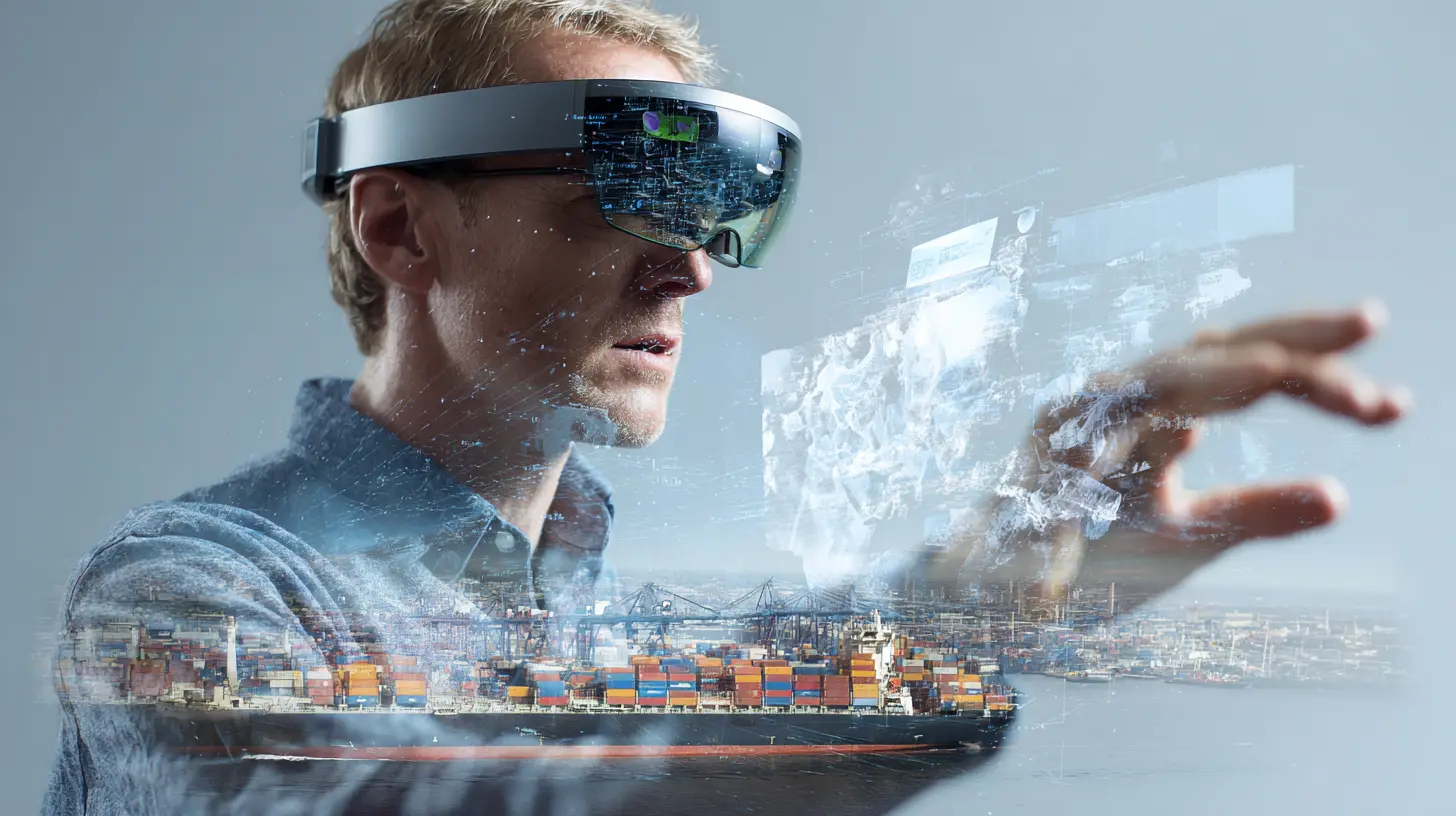
The Help Desk Just Got a Pair of X-Ray Glasses
Remember the last time you called IT support? You spent ten minutes describing a blinking light, then another fifteen trying to hold your phone steady while the tech said, "No, the OTHER cable." It's a comedy of errors, and the punchline is usually you restarting everything twice.Now imagine this: you put on a pair of lightweight AR glasses. They look like normal reading glasses, maybe a bit chunky. The IT guy on the other end can see exactly what you see, in real time. He draws a red arrow in your field of view, pointing to the exact port you need to unplug. He highlights a button you missed. He even drops a tiny floating text bubble that says, "This one. Yes, this one. For the love of all that is holy, do not touch the power strip." That's not science fiction. That's happening right now in pilot programs at companies like Boeing and GE. By 2027, it'll be standard.
The best part? It cuts resolution time by 60% or more. No more "Did you try turning it off and on again?" conversations that last twenty minutes. You just fix it, and move on. It's like having a senior sysadmin whispering in your ear, minus the coffee breath.
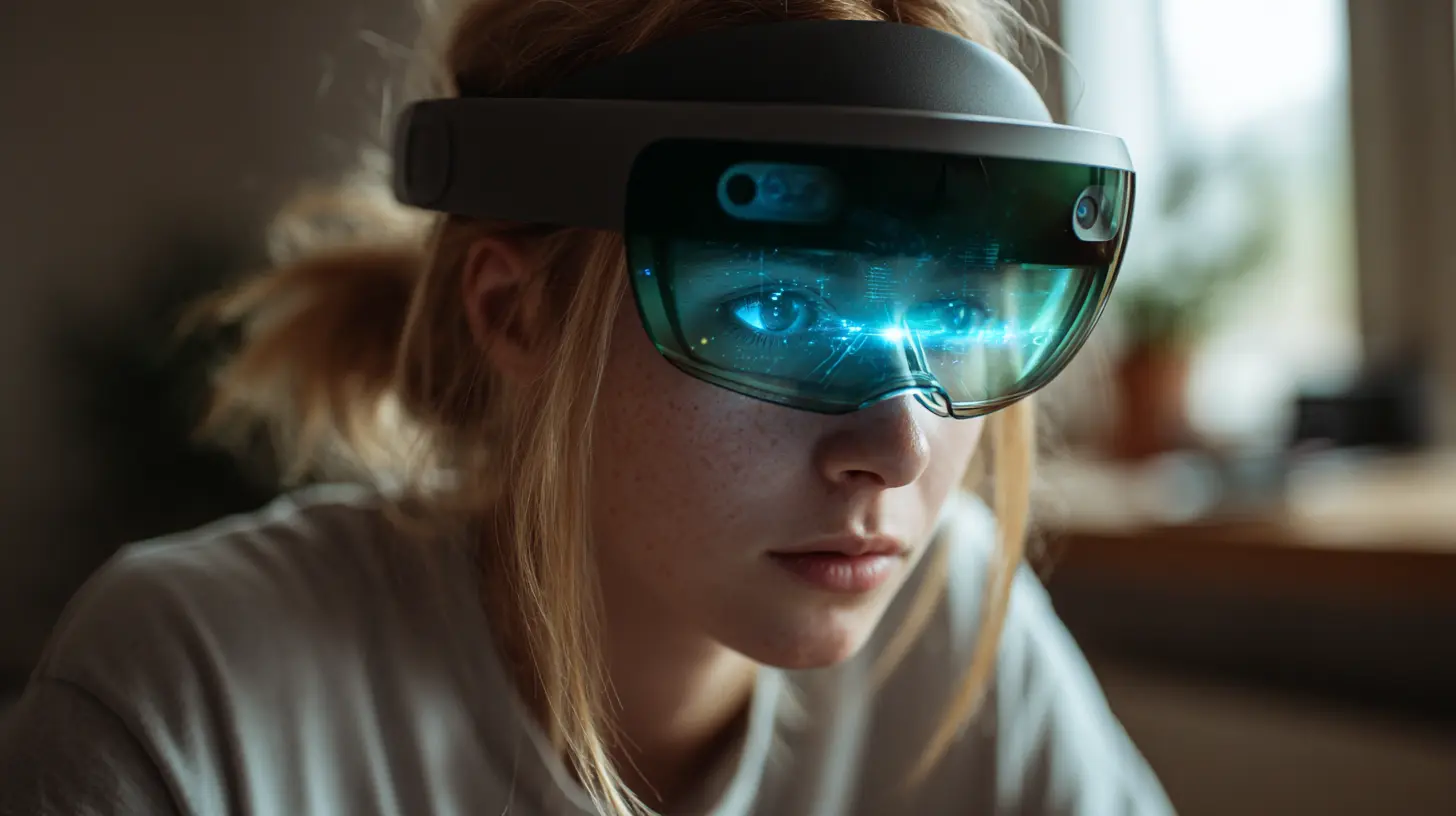
Data Centers: Where AR Saves Your Knees (and Your Sanity)
If you've ever worked in a data center, you know the pain. Racks and racks of blinking machines, all looking exactly the same. You're hunting for Server 47B in Row 12, but all the labels are at waist level, and the lighting is straight out of a horror movie. You end up crouching, squinting, and swearing under your breath.By 2027, that's going to feel like a bad dream. AR headsets for data center techs are already getting serious. You walk in, and your glasses highlight the exact server that needs attention. A floating tag shows its temperature, its uptime, and a little red warning if it's about to throw a fit. You don't even need to pull up a laptop. You just look at the machine, and the data is right there, hanging in the air like a helpful ghost.
This isn't just about convenience. It's about preventing catastrophic errors. In 2023, a single mis-pull of a drive in a major data center caused an outage that cost millions. With AR, you'd see a bright red border around the wrong drive and a message that says, "STOP. Do not touch. Are you trying to get fired?" It's like having a safety net made of light. And your knees will thank you.
Remote Collaboration: The End of "Can You See My Screen?"
We've all been in that meeting. Someone shares their screen, and then the chaos begins. "Scroll down. No, the other way. Left. Your left! No, MY left." It's a digital game of Twister, and nobody wins.AR is going to kill that nonsense. By 2027, remote collaboration won't mean staring at a grid of faces on Zoom. It'll mean sharing a 3D space. You and your colleague in Tokyo can both look at the same virtual model of a new server rack. You can grab a component, rotate it, and drop it into place while the other person watches in real time. You can draw notes in the air. You can even point at a virtual cable and say, "This one needs to be shorter."
This is huge for IT teams that are spread across the globe. Instead of sending an email with a screenshot and a red circle, you can just walk into a virtual room and show them. It's faster, it's clearer, and it's a lot more fun. Plus, nobody has to mute their dog barking in the background.
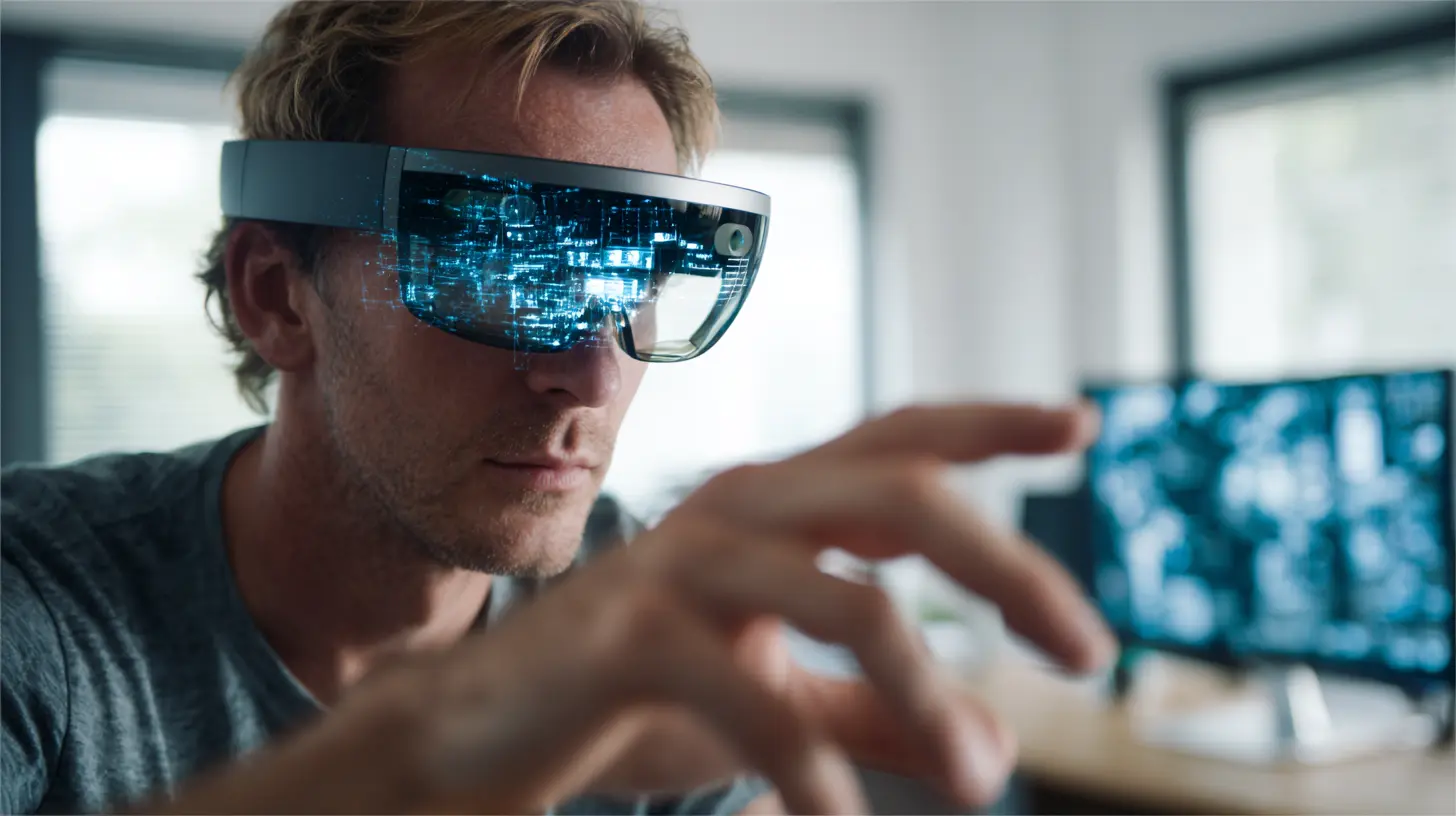
Training New IT Hires Without Crashing a Production Server
Here's a dirty secret about IT training: most of it is trial by fire. You read a manual, you watch a video, and then someone hands you the keys to a production server and says, "Good luck." It's terrifying. One wrong command, and you've accidentally deleted a database. We've all been there. It's a rite of passage, but it's also a terrible way to learn.AR flips that on its head. By 2027, new hires will train on virtual equipment that looks and behaves exactly like the real thing, but it's all digital. They can pull the wrong cable, and the virtual server just blinks at them. They can crash a virtual database, and nobody loses sleep. They can practice a disaster recovery scenario while sitting in a conference room, wearing a headset.
It's like flight simulators for IT. You can make all the mistakes you want, learn from them, and then step into the real data center with actual confidence. No more cold sweats. No more "oops, I just took down the company website." Just a well-trained tech who knows what they're doing.
The Hardware Catch-Up (No, You Don't Need a HoloLens)
Now, let's get real for a moment. You might be thinking, "This sounds great, but I'm not wearing a giant helmet to work." Fair point. The early AR headsets were clunky, expensive, and made you look like a rejected prop from a 90s cyberpunk movie. But by 2027, the hardware is going to be radically different.We're talking about glasses that look like normal prescription frames. Companies like Meta, Apple, and a bunch of startups are betting big on this. The lenses will be clear when you don't need them, and they'll light up with information when you do. The battery will last a full workday. The weight will be under 100 grams. And the price? It'll drop to something like a mid-range smartphone.
You won't need a dedicated AR room or a backpack full of gear. You'll just put on your glasses in the morning, and the digital layer will be there when you need it, invisible when you don't. It's like having a second monitor that follows you around, but it doesn't need a power cord.
The Security Nightmare (And How We'll Fix It)
I can't talk about AR in IT without addressing the elephant in the room: security. If you're projecting data into the air, what happens when someone else looks at it? What if a hacker injects a fake warning into your field of view? That's a real concern, and by 2027, we'll have some answers.The solution is going to be a mix of hardware and software. Think eye-tracking that only shows sensitive data when you're looking directly at it. Think encryption that scrambles the digital overlay for anyone without the proper credentials. And think about physical tokens, like a ring or a watch, that authenticate your identity before the glasses even turn on.
It's not perfect, but neither is your current password policy. AR security will evolve the same way every other tech has: through a series of embarrassing failures followed by clever patches. By 2027, it'll be solid enough for most enterprise use cases. Just don't wear your AR glasses in the bathroom.
The Human Side: Less Burnout, More Sanity
Let's talk about the real benefit of AR in IT: it makes the job less miserable. IT work is often isolating. You're staring at a screen, typing commands, and talking to machines. It's easy to feel disconnected. AR brings back a sense of presence. You can see your colleague's avatar standing next to you in a virtual space. You can gesture, point, and laugh at the same joke.It also reduces cognitive load. Instead of juggling five browser tabs, a terminal window, and a physical notebook, you have all the information floating right where you need it. Your brain can focus on solving the problem instead of remembering where you put the instructions. That's a huge win for mental health.
And let's be honest, it's just cooler. When you walk into a meeting and everyone is wearing smart glasses, it feels like you're in the future. That energy rubs off. People get excited about their work. They feel like they're part of something new, not just another cog in the machine.
What About the Skeptics?
I know there's a crowd that says, "AR is a fad. It's been 'almost ready' for a decade." And you're not wrong. The hype cycle has been brutal. But the difference now is that the hardware is actually getting good, and the software is catching up. The pandemic forced companies to rethink remote work, and AR is the logical next step. It's not a toy anymore. It's a productivity tool.Think about it like the smartphone. In 2007, people said, "Why do I need a phone that does all that? My flip phone works fine." Ten years later, everyone had a smartphone, and nobody missed the flip phone. AR is following the same curve. By 2027, the question won't be "Should we use AR?" It'll be "How did we ever manage without it?"
The Bottom Line
Augmented reality in IT by 2027 isn't about chasing digital dragons. It's about fixing servers faster, training new hires without fear, and collaborating with your team in a way that doesn't make you want to throw your laptop out the window. It's practical. It's down-to-earth. And it's going to change the way we work in ways that are both boring and brilliant.So next time someone mentions AR, don't just think about games. Think about the poor data center tech who doesn't have to crawl on the floor anymore. Think about the help desk guy who can actually see what you're pointing at. Think about the new hire who doesn't have to break anything to learn. That's the real future. And it's coming faster than you think.
all images in this post were generated using AI tools
Category:
Information TechnologyAuthor:

Reese McQuillan
Discussion
rate this article
2 comments
Zethryn Cooper
This article presents a compelling view of augmented reality's potential impact on IT. It's exciting to think about how businesses will leverage AR for training, collaboration, and data visualization. I look forward to seeing innovative applications emerge in the coming years.
June 27, 2026 at 4:21 AM
Harlow Brown
Augmented reality will redefine workplace interactions, transforming collaboration and innovation in IT.
May 15, 2026 at 4:34 AM
Reese McQuillan
Absolutely, augmented reality will bring a new dimension to how teams collaborate and innovate. Exciting times ahead for IT!