Data Encryption: Why It’s More Important Than Ever
25 June 2026
In this digital age where everything from your grocery list to your deepest secrets can be found online, data encryption is no longer a luxury—it's a necessity. With cyber threats growing faster than ever and our lives becoming more connected by the second, protecting sensitive information isn’t just about best practices—it’s about survival.
Whether you’re a business owner, a tech enthusiast, or someone who’s just trying to keep their personal data private, you’ve probably heard the buzzword: encryption. But what does it really mean? And why is it getting so much attention right now? Let's unpack it.
What Is Data Encryption, Really?
Let’s start with the basics. Data encryption is like putting your information in a vault—but with math. It’s a method of converting plain, readable data into a scrambled format that can only be read if you have the key to unlock it. That key? It's basically a complex algorithm that ensures only authorized folks can make sense of the data.So, if someone tries to peek at your encrypted files without the key, all they’ll see is gibberish. Imagine sending a postcard written entirely in code that only your best friend can understand. Even if someone grabs it mid-transit, they won’t have a clue what it says.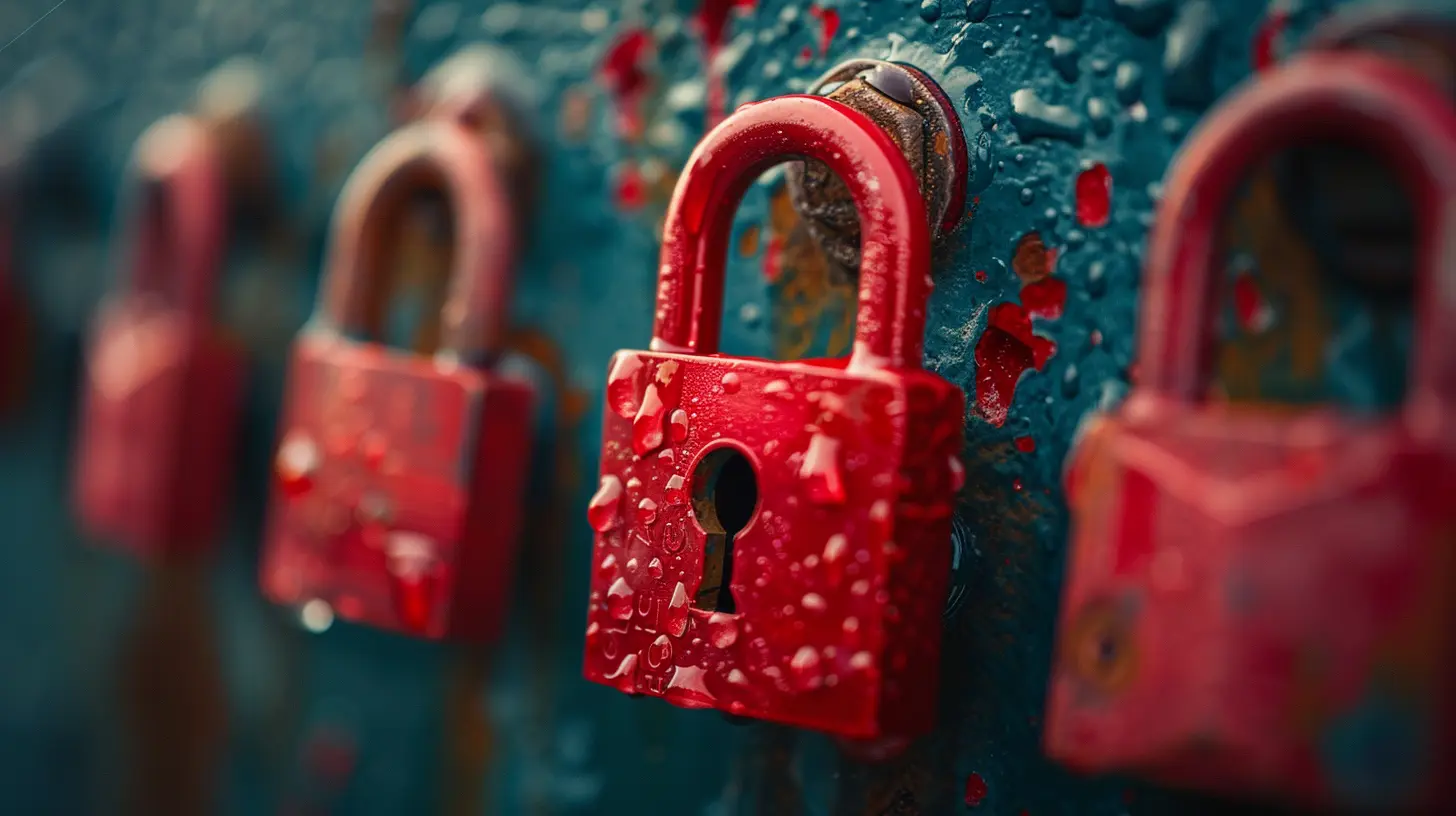
Why Is It a Big Deal Right Now?
Well, take a moment and think about how much data we generate every single day. Emails. Banking info. Shopping habits. Health records. Social media posts. And yes—even those late-night Amazon purchases we’d rather forget.With the rise of remote work, cloud computing, and internet-connected devices (hello, smart fridges), we’re putting more data out there than ever before. The more data we expose, the juicier the target becomes for hackers.
Data breaches aren’t just hypotheticals anymore—they're practically headlines. Major companies and governments have fallen victim, losing not just millions of dollars but also the trust of their users. That’s where encryption steps in like a digital bodyguard.
Types of Data Encryption: A Quick Breakdown
Not all encryption is created equal. Depending on your needs, there are a few different types to be aware of:1. Symmetric Encryption
This is the OG method, where the same key is used to both encrypt and decrypt the data. It's fast and efficient—perfect for encrypting large volumes of data.But there's a catch: you’ve got to safely share the key with the person on the other end. It’s like having one key to a treasure chest—if someone steals that key, game over.
2. Asymmetric Encryption
This one uses a pair of keys—one public and one private. You can shout your public key from the rooftops (well, not literally), and anyone can use it to encrypt data meant for you. But only your private key can decrypt it.It’s slower than symmetric encryption but way more secure when sharing across networks. Think of it like a mailbox: anyone can drop a letter in, but only you have the key to open it.
3. Hashing
Okay, hashing isn’t technically encryption, but it's often lumped in the same convo. It converts data into a fixed-size string of characters, typically a hash code. It’s a one-way ticket—no decryption. Used for things like password storage and verifying data integrity.
Real-Life Scenarios Where Encryption Matters
Let’s make this more relatable. Here are a few everyday situations where encryption is working behind the scenes to keep your data safe.Online Banking
Ever notice the little padlock icon next to your bank’s URL? That’s HTTPS, and it means your transactions are encrypted. So, when you're transferring funds or checking balances, your financial details aren’t exposed.Messaging Apps
Apps like WhatsApp and Signal use end-to-end encryption. That means your messages are encrypted on your device and only decrypted on the recipient's device. Not even the app owners can peek at your convos.Cloud Storage
Saving files on Google Drive or Dropbox? Most reputable cloud services encrypt your data both in transit and at rest. It's not just sitting there in plain text for anyone to see.Healthcare
Hospitals and healthcare providers have to comply with laws like HIPAA in the U.S., which require encryption of patient data. Imagine if your medical history got leaked—yeah, not a good look.The Rise in Cyber Threats: A Wake-Up Call
Let’s not sugarcoat it—cyberattacks are growing in number and sophistication. Ransomware, phishing scams, and data breaches have become common weapons in a hacker’s arsenal.Just one weak link—an employee clicking a shady email, a misconfigured server, or outdated security software—and boom, your sensitive info is out there, up for grabs. And in many cases, the only thing standing between a hacker and your precious data is strong encryption.
According to IBM’s 2023 Cost of a Data Breach Report, the average cost of a data breach is now over $4 million. That’s not a typo. For small to midsize businesses, that kind of hit can be devastating.
Encryption Isn’t Just for Big Companies
Here's the thing: encryption isn’t only for tech giants or government agencies. You, me, your neighbor, your grandma—everyone needs it.Why? Because our personal data is valuable. Your Social Security number, bank account details, login credentials—they’re worth big bucks on the dark web. Encryption keeps that information under lock and key, reducing the chances of identity theft and fraud.
The Legal Side of Encryption
Governments around the world have started taking encryption more seriously. Regulations like the GDPR in Europe and CCPA in California mandate strict data protection measures—including encryption.Fail to comply, and it’s not just a slap on the wrist. We're talking massive fines, suspended operations, and long-term brand damage. Encryption isn’t just a good-to-have—it’s legally required in many cases.
The Debate Around Encryption
We’ve got to talk about the elephant in the room. While encryption is great for privacy, it’s also been a topic of debate for law enforcement and governments.On one hand, encryption protects citizens from cybercrime. On the other, it can also be misused by bad actors to hide illegal activities. Governments have pushed for "backdoors" into encrypted systems, but that idea raises serious concerns.
Creating backdoors weakens the system for everyone. It’s like installing a secret entrance to your home and hoping only the "good guys" find it. Yeah, not the best plan.
How You Can Use Encryption Today
You don’t need to be a cybersecurity expert to start using encryption. Here’s how you can take simple steps today:Use Encrypted Messaging Apps
Stick to platforms like Signal, Telegram (secret chats), or WhatsApp for secure conversations.Encrypt Your Devices
Both Android and iOS offer full-device encryption. Turn it on through your phone’s settings.Use a VPN
A virtual private network encrypts your internet traffic—perfect for using public Wi-Fi safely.Enable HTTPS Everywhere
Install browser extensions that force websites to use HTTPS, making your browsing sessions more secure.Backup and Encrypt Important Files
Use tools like VeraCrypt or BitLocker to encrypt your local file backups.The Future of Data Encryption
As tech evolves, so does encryption. Quantum computing, for example, is poised to shake things up. Today’s algorithms might be child’s play for tomorrow’s quantum machines.That’s why researchers are already working on post-quantum encryption—algorithms designed to withstand the processing power of quantum computers.
Also, expect more widespread use of homomorphic encryption. It allows data to be processed without decrypting it, opening doors to highly secure cloud computing and data analytics. Think of it as reading a book while it’s still locked in the vault. Wild, right?
Final Thoughts
So, is encryption important? That’s like asking if wearing a seatbelt is important when driving 90 mph. The more data we generate and share, the more doors we open to potential threats. Encryption is one of the few ways we can slam those doors shut—tight.It protects your identity, finances, conversations, and peace of mind. And in a world where data is currency, encryption is your personal vault.
Don’t wait for a breach to take it seriously. Start encrypting what matters today.
all images in this post were generated using AI tools
Category:
Data SecurityAuthor:

Reese McQuillan
Discussion
rate this article
1 comments
Flynn McKittrick
This article raises important points about data encryption. With growing cyber threats, it's fascinating to see how encryption evolves. I'm curious about future trends and innovations in this crucial area.
June 25, 2026 at 11:12 AM