Exploring the Role of 5G in Autonomous Vehicles
27 January 2026
The buzz around autonomous vehicles has been growing louder with each passing year. Self-driving cars aren’t just a futuristic concept anymore—they’re right around the corner. But there’s one technology that’s quietly laying the foundation to make this possible: 5G.
Yeah, we’ve all heard about 5G in smartphones, right? Faster downloads, smoother streaming, better call quality. But what many people miss is how 5G is going to completely transform the way our cars communicate—not just with us, but with the world around them. Buckle up, because we’re about to dive into how 5G is the secret sauce behind making autonomous vehicles safe, smart, and street-ready.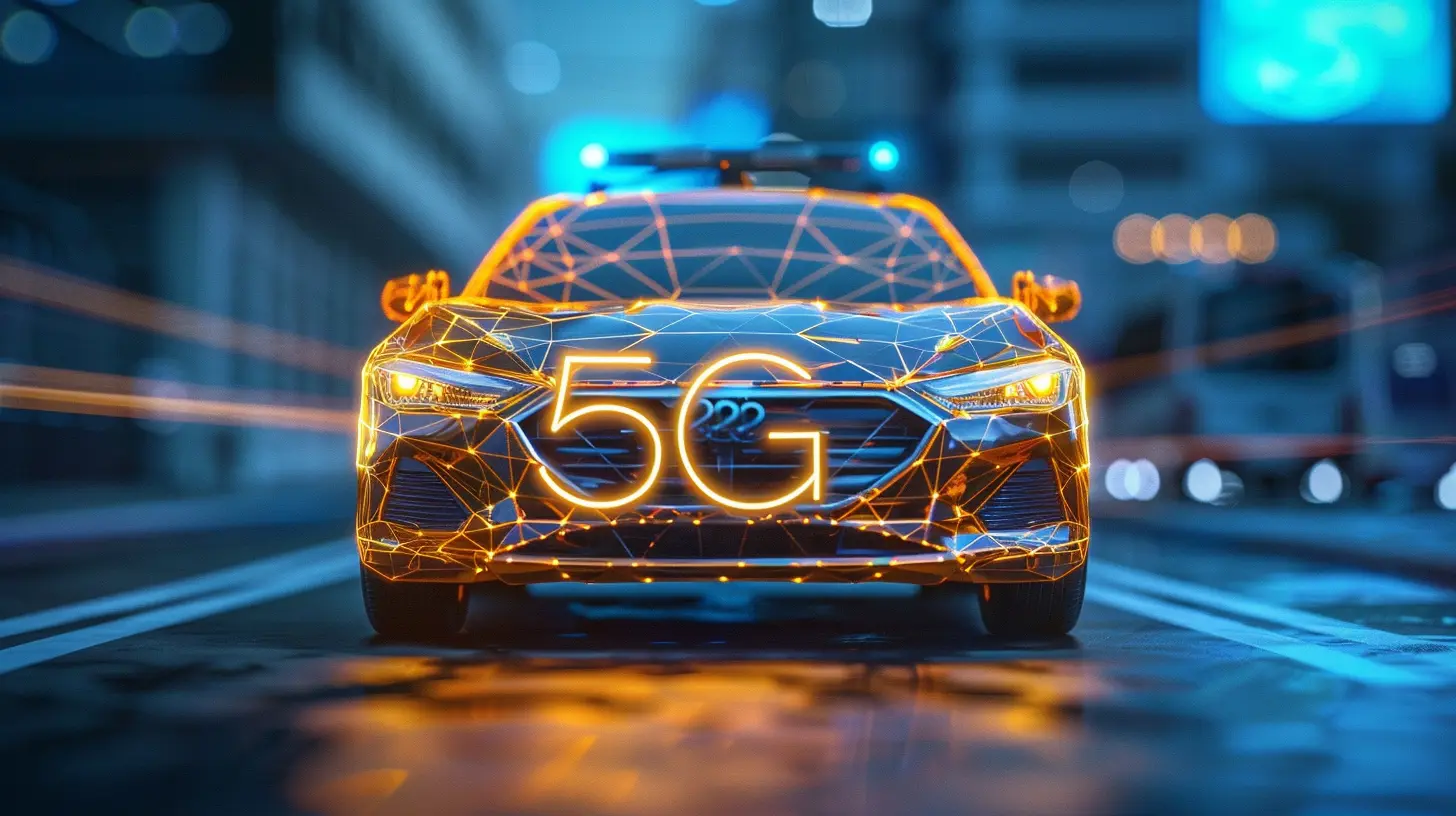
What’s the Connection Between 5G and Self-Driving Cars?
Let’s keep it simple. Autonomous vehicles (aka AVs) need to make lightning-fast decisions. Whether it's stopping for a pedestrian or rerouting due to traffic, timing is everything. These aren’t just cool features—they’re matters of life and death.Now imagine trying to make those decisions with laggy information. It’d be like driving with your eyes half-closed, right? That’s where 5G comes in.
5G provides super low latency (we’re talking milliseconds), ultra-fast data speeds, and the ability to handle way more connected devices. Perfect match for cars that rely on sensors, cameras, and real-time communication to function.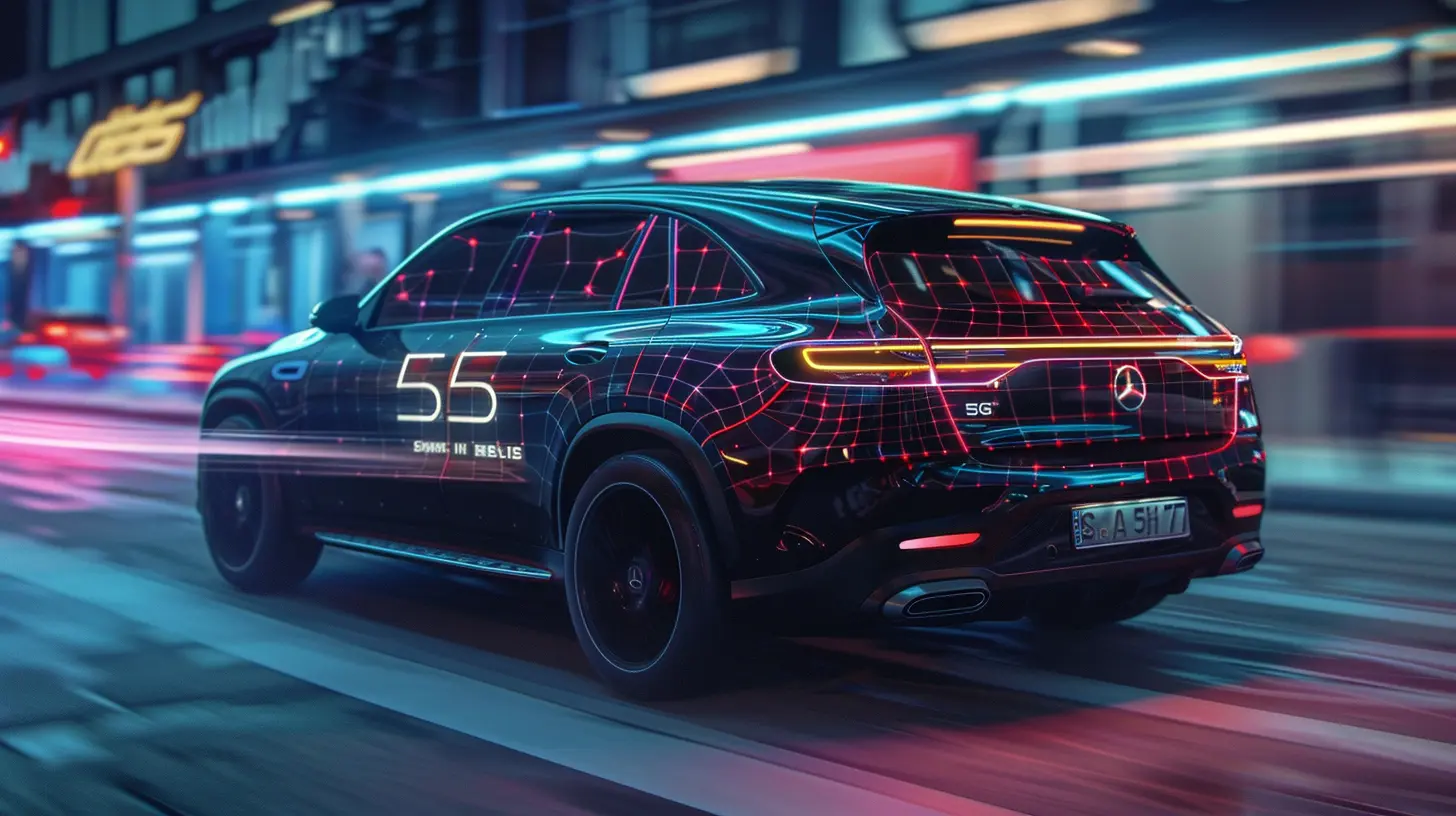
Why 4G Just Doesn’t Cut It
We’ve been using 4G LTE for over a decade. It’s great for browsing TikTok on your phone, but when it comes to machines making split-second decisions on the road, it’s not fast or reliable enough.Let’s break it down:
- Latency on 4G hovers around 50-100 milliseconds. Sounds fast? It’s actually too slow for AVs.
- Network congestion is way more common on 4G, especially in busy cities.
- Bandwidth is limited. 4G can’t handle the massive amount of data AVs need to exchange every second.
In contrast, 5G can drop latency to 1 millisecond. That’s faster than the blink of an eye. That’s the level of speed and reliability your self-driving Uber needs when a kid runs into the street chasing a soccer ball.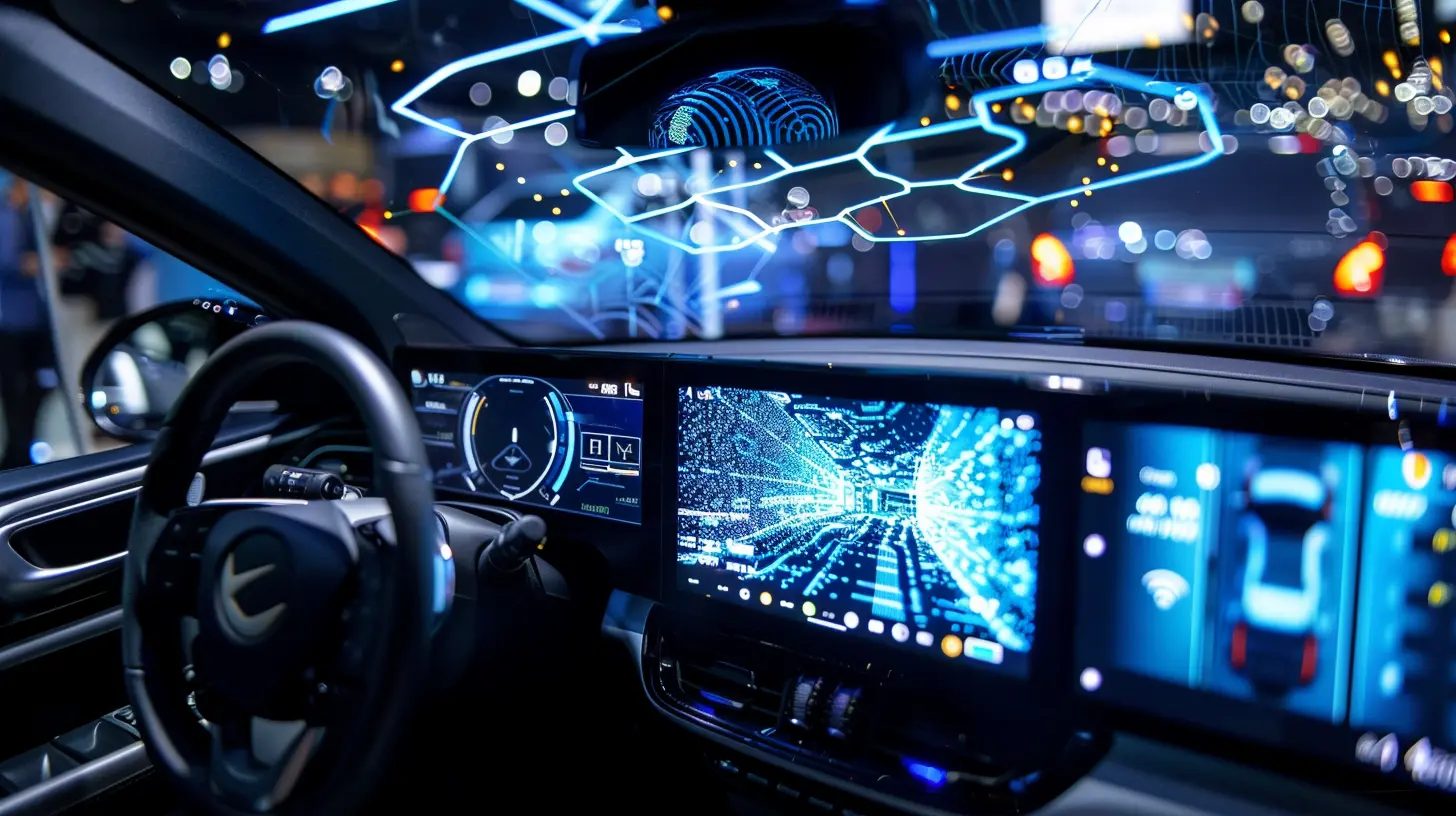
How 5G Powers Autonomous Vehicles: A Deep Dive
Now, let’s peel back the curtain and see exactly how 5G fuels the brain power of autonomous vehicles.1. Real-Time Communication (V2X)
Ever heard of V2X? It means “Vehicle-to-Everything” communication.Self-driving cars don’t drive in a vacuum. They need to “talk” to:
- Other vehicles (V2V)
- Traffic lights and signs (V2I)
- Pedestrians with smartphones (V2P)
- The cloud and data centers (V2N)
With 5G enabling this communication in real time, cars can "see" what’s happening blocks away—even if their sensors can’t pick it up.
Example? If a car up ahead brakes suddenly, your car can be alerted before your sensors even register it. That’s proactive safety.
2. Ultra-Fast Data Transfer
Autonomous vehicles are basically rolling computers jam-packed with AI algorithms, cameras, radars, and LiDARs. These gadgets create a tsunami of data—up to 4TB per day per car.Processing all that data in the car itself (edge computing) is hard. But with 5G, the vehicle can offload some of the heavy lifting to external servers in real-time.
It’s like sending a huge assignment to a super-fast cloud computer and getting the answer back before your professor even finishes asking the question.
3. Enhanced Sensor Integration
5G helps synchronize all those different sensors—cameras, ultrasonic sensors, LiDAR—so they work together smoothly.Without 5G, there’s a lag between data points and decision-making. That’s like trying to assemble a puzzle with pieces arriving out of order. With 5G, the image comes together instantly.
The Role of 5G in Traffic Management and Smart Cities
Autonomous vehicles don’t just operate in isolation—they're part of a bigger system. Thanks to 5G, we can integrate AVs into smart city infrastructures.Smarter Traffic Control
Imagine a network of traffic lights and signs that change based on real-time traffic and weather data. Cars can be rerouted to avoid congestion automatically, cutting down commute times and fuel waste.Dynamic Routing and Autonomous Fleets
Fleet operators (think Uber and FedEx) can manage AVs more efficiently. 5G allows for live fleet tracking, remote diagnostics, and route optimization in real time.So instead of a van being stuck in traffic for 30 minutes, it could switch routes instantly—saving time and reducing emissions.
Safety First: 5G’s Role in Making Driverless Cars Safer
Let’s be honest—people are still nervous about handing over control to a machine. And that’s understandable. But 5G is a game-changer in terms of safety.Faster Reaction Times
When your car can react in one millisecond thanks to 5G, it’s making decisions way faster than a human ever could.Avoiding Accidents Before They Happen
Think “predictive awareness.” Your vehicle knows about hazards before it encounters them. Like icy roads reported by another car. Or a stalled car blocking the freeway around the bend.Remote Driving & Interventions
If something goes very wrong, human operators can take control of a vehicle remotely. 5G’s low latency makes this not just possible, but reliable.This backup plan provides another safety net for early versions of self-driving tech.
Autonomous Driving Without 5G? Not Gonna Happen
Let’s call it what it is: you can’t really have full-blown autonomous vehicles without 5G. Well, not safely or efficiently, anyway.Level 4 and Level 5 Autonomy Need 5G
There are five levels of vehicle autonomy. While levels 1-3 can get away with existing tech, Levels 4 and 5 (full autonomy without any human input) need constant, real-time connectivity.And 5G is the only wireless network that can provide that at scale.
Scaling Up AVs for Public Use
Want fleets of robotaxis? Delivery drones? Driverless buses? You’re going to need 5G networks that can support millions of connected devices operating simultaneously.4G just can’t keep up with that demand.
Challenges on the Road Ahead
Okay, 5G sounds like the magic bullet for self-driving cars. But it’s not all smooth sailing. There are still a few bumps to iron out.Infrastructure Isn’t Everywhere… Yet
5G networks are still being rolled out. Not all cities—let alone rural areas—have solid 5G coverage. And for AVs to really go mainstream, we need 5G everywhere.Higher Deployment Costs
Installing roadside 5G equipment, upgrading cellular towers, and enabling V2X-compatible devices isn’t cheap. Governments and companies have to invest heavily to make it happen.Cybersecurity Concerns
More connectivity means more attack surfaces. Ensuring that data flows between vehicles and infrastructure securely is a top priority.Because let’s face it—no one wants their car to be hacked mid-commute.
What the Future Looks Like with 5G and AVs
Picture a world where traffic accidents drop to near zero. Where commute times are cut in half. Where your car can sync with your calendar and choose the best route to get you to your meeting on time.That’s the world 5G is helping to create with autonomous vehicles. It’s a future where roads are smarter, cities are cleaner, and mornings are just a bit less stressful.
And we’re not daydreaming here. Trials are already underway across major cities around the world—from robotaxis in Phoenix to 5G-powered delivery bots in China.
Final Thoughts: The Road to Tomorrow Starts with 5G
If self-driving cars are the destination, then 5G is the road that gets us there. Without it, autonomous vehicles can’t truly realize their potential. From safety and speed to smoother commutes and cleaner cities, the benefits are massive.Sure, there are hurdles to clear. But the marriage of 5G and AVs is shaping up to be one of the biggest tech revolutions of our time.
So next time someone asks you, “What’s the big deal with 5G?”, just tell them—it’s the backbone of the future… and it’s driving itself.
all images in this post were generated using AI tools
Category:
5g TechnologyAuthor:

Reese McQuillan
Discussion
rate this article
2 comments
Brooke Carey
Is 5G the key to our driving future?
February 15, 2026 at 5:18 AM
Reese McQuillan
Yes, 5G is essential for the future of driving, enabling faster communication between vehicles and infrastructure, enhancing safety and efficiency in autonomous vehicles.
Zayn McVaney
5G fuels the future—drive forward!
January 28, 2026 at 3:20 AM
Reese McQuillan
Thank you! 5G is indeed a game changer for autonomous vehicles, enhancing connectivity and enabling real-time data processing for safer, smarter driving.