G and Its Impact on Global Supply Chains
1 February 2026
Let’s dive into something that sounds super cryptic at first—“G”—but stick with me, and I promise it'll all make sense. You’ve probably come across this mysterious “G” buzzing around the tech and business worlds. People talk about it like it’s a secret power source. But here’s the thing: “G” isn’t just one thing—it’s shorthand for the next-generation wireless technologies like 5G, and soon, 6G. These aren't just tech upgrades—they’re monumental shifts in how we move data, make decisions, and well—run the global economy.
When we zoom out and look at the big picture, the ripple effects of these networks reach far and wide—especially across global supply chains. Let's unpack how this digital revolution is rewriting the rules of global trade, logistics, and manufacturing with a casual walkthrough of the world behind your next-day delivery packages.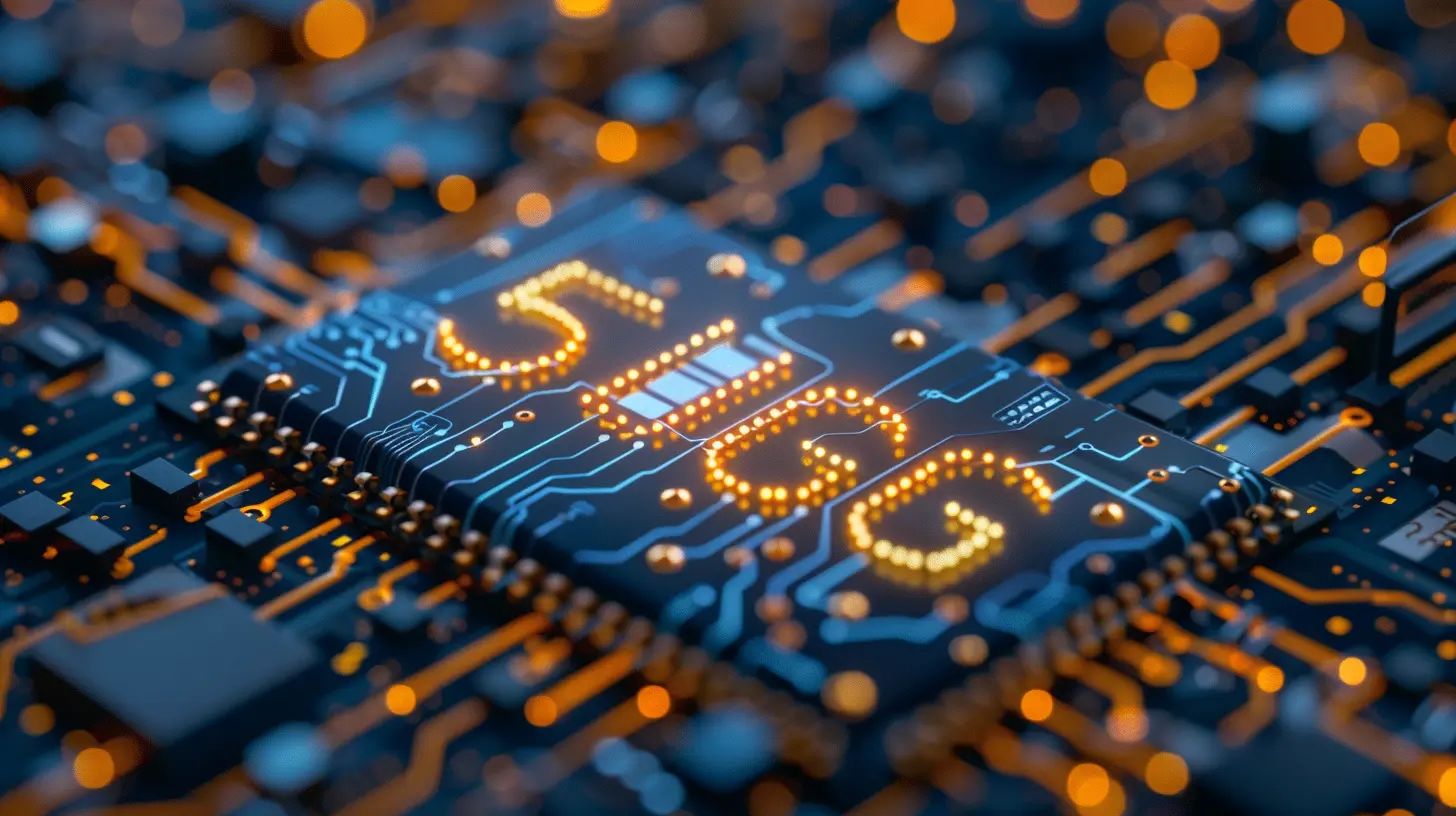
What is “G” Really All About?
Before we jump into its global impact, let’s quickly nail down what “G” even means. The “G” stands for “generation.” So, 1G was your granddad’s walkie-talkie style mobile phone. 2G gave us texting. 3G brought the internet into our phones (slowly). 4G made Netflix binge-watching possible on mobile. And 5G? Well, that’s where the magic happens.With 5G—and eventually 6G—we’re talking ultra-fast speeds, ultra-low latency (that’s tech for “no buffering”), and the ability to connect everything from your fridge to a fleet of cargo ships halfway across the world.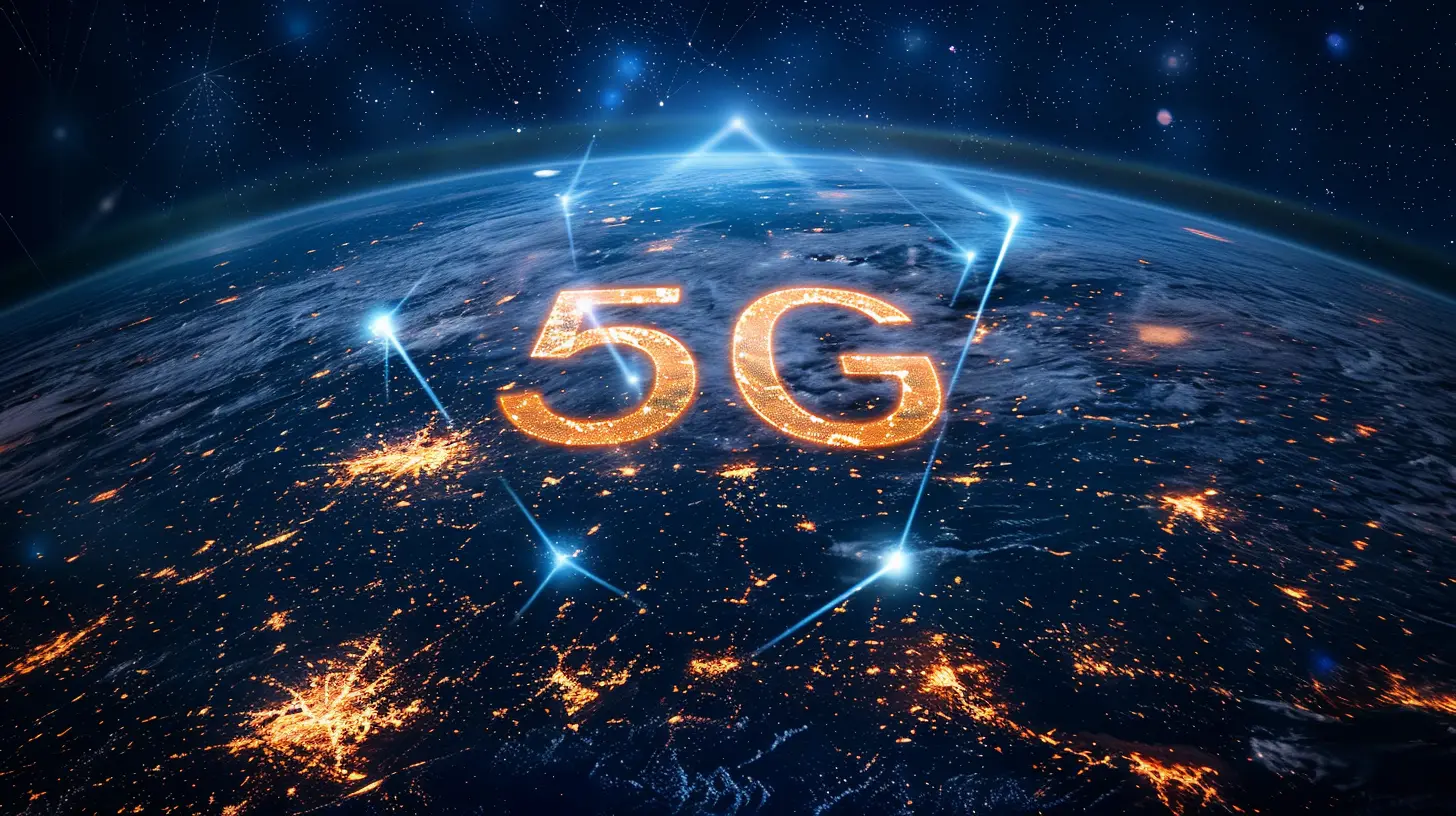
The Global Supply Chain: A Quick Refresher
So, what exactly is the “global supply chain”? It’s the giant, invisible web that gets stuff from where it’s made to where it’s needed. Think smartphones assembled in China, coffee beans harvested in Brazil, or car parts manufactured in Germany.It’s a crazy complex network of suppliers, manufacturers, warehouses, logistics companies, and retailers. And guess what? It relies on information just as much as transportation. That’s where “G” comes in.
Real-Time = Real Power
Let’s get one thing straight—timing is everything in supply chains. Late shipments, stock shortages, missed deadlines—everything costs money. 5G promises something game-changing: real-time visibility.Imagine you’re a logistics manager tracking a container ship crossing the Pacific. With older networks, updates can lag or come in chunks. With 5G, you're getting live, uninterrupted data. You know exactly where your goods are, if there’s a delay, and what’s causing it. That’s the kind of insight that saves millions.
Think of it like turning on the lights in a pitch-black room—you can finally see where everything is, what’s working, and what’s about to go off the rails.
Automation Goes Full Throttle
“G” is the secret sauce enabling next-level automation. We're not just talking about robots on conveyor belts (though those are definitely part of it). We mean entire smart factories where machines talk to each other, make decisions, and adapt in real-time—all thanks to the lightning-fast connectivity of 5G.For example, a smart warehouse in the Netherlands can automatically reroute drones and robotic forklifts when a shipment is delayed. No human needs to intervene. It’s like giving your supply chain a brain.
This kind of automation leads to:
- Fewer errors
- Faster processing
- Cheaper labor costs
- Scalability like never before
And with 6G on the horizon, the dream is machines that communicate instantly across the globe, making supply chains seamless and self-healing.
The Internet of (Tracked) Things
Let’s talk IoT—aka the Internet of Things. It’s not just smartwatches and doorbells anymore. In the context of supply chains, IoT is a game-changer.With 5G, companies can embed sensors into everything—containers, trucks, shelves, and even individual products. These sensors collect real-time data on temperature, humidity, location, and handling. So, if those fragile electronics from Japan are getting too hot in a cargo hold, the system flags it—and fixes it—before it becomes a problem.
That kind of data doesn't just help during transport; it helps forecast demand, manage inventory, and plan smarter delivery routes.
Hyper-Localized Manufacturing
Here’s a surprising twist: “G” can shrink global supply chains.Thanks to technologies like edge computing (which pairs perfectly with 5G), companies can process data locally and make decisions faster. This means we might see a rise in localized micro-factories—small, highly automated production units spread across regions.
So instead of shipping products halfway around the world, companies can produce goods closer to the final customer. That means:
- Faster delivery
- Lower emissions
- Reduced dependency on overseas factories
Essentially, this could flip the entire outsourcing model on its head.
Smarter Ports and Border Crossings
Ever wonder why it sometimes takes forever for imported goods to clear customs? It’s a lot of paperwork and waiting. But 5G and IoT can turn those bottlenecks into smooth flows.Smart ports powered by 5G can:
- Track cargo movements with drones
- Verify customs documents with blockchain
- Scan containers in real-time using AI and high-res cameras
The result? Faster customs clearance, fewer delays at the docks, and smoother international trade.
Crisis-Proofing the Supply Chain
We all saw what happened during the COVID-19 pandemic—supply chains broke down. Shelves went empty. Shipments took weeks longer than usual. It was a wake-up call.But “G” tech offers a way to bulletproof supply chains against future shocks. How?
- Predictive analytics: AI models powered by real-time data can foresee disruptions before they happen.
- Flexible sourcing: Cloud-based systems allow companies to switch suppliers on the fly.
- Remote operations: With ultra-reliable 5G, teams can manage logistics centers from anywhere.
Imagine a future where even if the world goes sideways again, the shelves stay stocked.
Environmental Benefits? Yep.
Efficiency doesn’t just save money—it helps the planet.By reducing delays, optimizing delivery routes, and minimizing overproduction, “G”-powered supply chains lower waste and carbon emissions. Sensors can even monitor a product’s full carbon footprint—from raw material to end customer.
And let’s not forget—less reliance on faraway factories means fewer fuel-guzzling cargo ships.
So yeah, better tech can actually mean a healthier Earth.
Challenges on the Road Ahead
Okay, it's not all sunshine and drones. There are definitely hurdles to clear.Here are the biggest ones:
- Infrastructure cost: Laying down 5G (and eventually 6G) towers and sensors is super expensive.
- Data overload: More sensors = more data = harder to manage without proper systems.
- Cybersecurity risks: More connectivity means more entry points for hackers.
- Tech inequality: Not all regions can access 5G, which could widen the global tech gap.
Still, despite the bumps, the momentum is unstoppable.
What About 6G?
Yes, we’re already talking about 6G—and it’s not even here yet. Think data speeds 100x faster than 5G, with even lower latency. The kind of network where AI, quantum computing, and holographic communication can actually work in real-time.For global supply chains, that could mean things like:
- Predicting demand before it happens
- Digital twins of entire logistics networks (think The Matrix, but for shipping)
- AI-led negotiations between buyers and suppliers
Wild, right?
Final Thoughts: A Tech Revolution in Motion
If you were thinking "G" was just about faster YouTube streaming, you might wanna think again. This stuff is foundational. It’s like plumbing for the digital world—but way more exciting. The impact it's having (and will continue to have) on how companies move goods, adapt to crises, and serve customers is nothing short of revolutionary.And here’s the kicker: we're just getting started.
As 5G becomes widespread and 6G looms on the horizon, the fusion of connectivity, AI, IoT, and edge computing will reshape international business in ways we can’t fully grasp yet.
So next time you get a package delivered in 24 hours from halfway across the globe, just remember—“G” probably had a hand in that.
all images in this post were generated using AI tools
Category:
5g TechnologyAuthor:

Reese McQuillan
Discussion
rate this article
2 comments
Kai McKenzie
What an exciting read! It's inspiring to see how G technology is revolutionizing global supply chains, making them more efficient and resilient. Cheers to innovation! 🎉
February 17, 2026 at 3:36 AM
Reese McQuillan
Thank you! I'm glad you found it inspiring. Innovation truly drives efficiency in supply chains! Cheers! 🎉
Phoebe Lewis
Understanding G's influence is crucial; it reshapes global supply chains, driving innovation, efficiency, and resilience in today's economy.
February 2, 2026 at 1:35 PM
Reese McQuillan
Thank you for your insightful comment! Understanding G's influence indeed plays a pivotal role in transforming global supply chains and fostering innovation.