G’s Role in the Future of Digital Twins Technology
11 May 2026
Let’s talk about Digital Twins for a second. You know that feeling when you're playing a video game, and your character mirrors your every move? Well, imagine if we could do that with real-world objects. That’s pretty much the idea behind Digital Twins. And now, let’s throw “G” into the mix. No, not G for gangster (though that would be cool), but we’re talking about 5G and the rise of even more advanced G’s—6G, and who knows, maybe one day 7G.
Now, this combination? Digital Twins + G? Yeah, that's a tech power couple like peanut butter and jelly, Batman and Robin—or if you’re into the classics, Mario and Luigi.
So buckle in. We're diving into how “G”, specifically 5G and beyond, is going to turbocharge Digital Twins and change the landscape of industries across the board.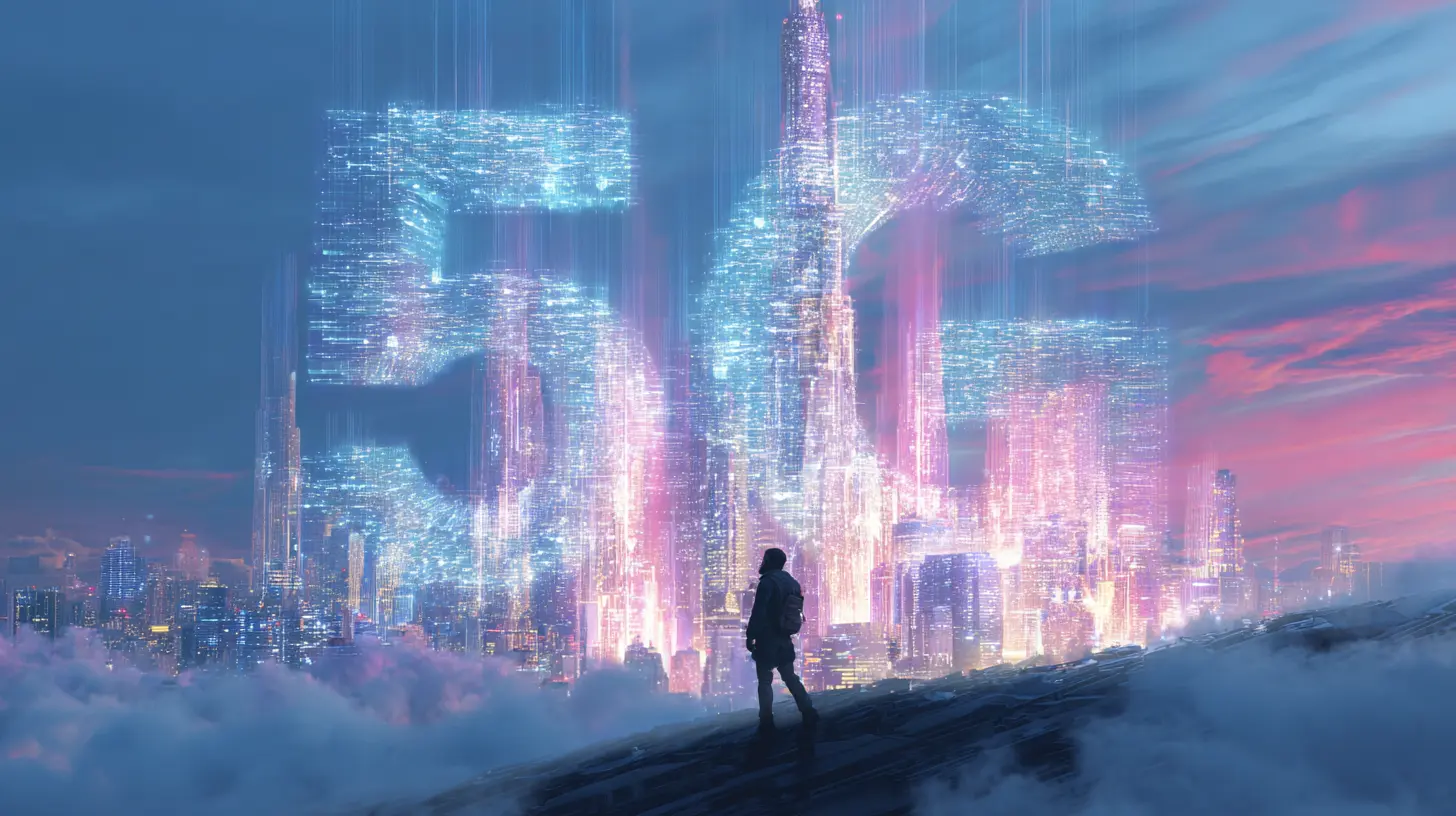
What Exactly Are Digital Twins?
Let’s keep it simple. A Digital Twin is just a virtual representation of something in the real world.Could be your car. Could be a factory. Could even be your heart. Wild, right?
These virtual models allow us to monitor, analyze, and simulate the real thing—without putting it at risk or touching the real object. It’s like running dress rehearsals before the big performance, except it’s for machines, buildings, and systems.
Imagine a jet engine that has a digital counterpart. Engineers can run tests on the virtual version, predict maintenance needs, and optimize performance, all without touching the actual engine. That’s efficiency on steroids.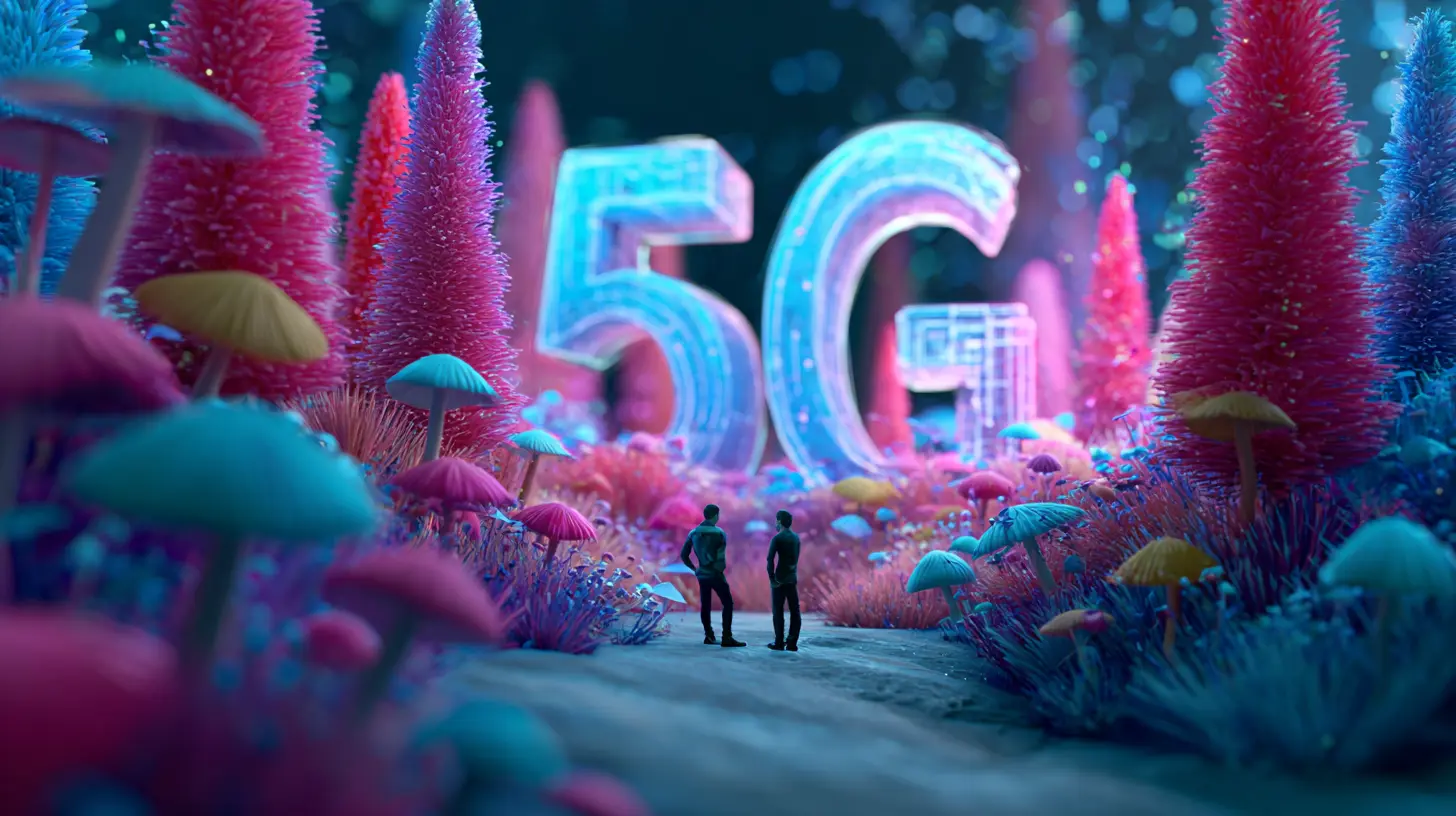
So, Why Does “G” Matter in All This?
Let’s talk about it.We’re living in an age where everything—from your fridge to your car—is connected and constantly talking to the cloud. But this chatter needs a high-speed, low-latency network to be effective. And that’s where 5G and its future siblings (like 6G) come burning onto the scene.
5G is the highway, and data is the traffic. The faster the highway, the more cars you can fit—and the faster they can go. That means Digital Twins can send and receive data from their physical counterparts in near real-time.
And when we say real-time, we’re really talking milliseconds. That may seem like a blink to you and me, but to machines, milliseconds can mean life and death—especially in scenarios like autonomous vehicles or robotic surgery.
The Key Features of 5G That Supercharge Digital Twins
Let’s break down WHY 5G is such a game-changer for Digital Twins:1. Ultra-Low Latency
We’re talking less than 1 millisecond in some cases. This is crucial if your Digital Twin is monitoring something like a power grid or a hospital-critical device. Any delay could cause serious problems.2. Massive Device Connectivity
5G can support up to a million devices per square kilometer. That’s like giving every ant in New York City its own phone line. And yeah, Digital Twins LOVE data—so more connected sensors mean a smarter, more accurate twin.3. Faster Data Speeds
With speeds up to 100x faster than 4G, we can shovel massive amounts of data between physical assets and their digital counterparts. Real-time simulations and monitoring become buttery smooth.4. Network Slicing
This is a cool feature. 5G networks can create multiple “slices” that are customized for specific tasks. Want ultra-high reliability for your Digital Twin managing critical infrastructure? Give it a slice. Need low-cost, low-power connectivity for thousands of sensors? Grab another slice.
Okay, But What About 6G?
Ah, the next-gen G. 6G is still on the drawing board, expected to roll out around 2030. But when it does, hold onto your keyboards—it’s going to crank things up big time.We're talking about speeds up to 100 times faster than 5G, even smarter AI integration, and the rise of a new concept: the Internet of Senses. Yeah, it sounds like sci-fi, but it means more immersive, multi-sensory experiences using data.
With 6G, Digital Twins could move from being analytical tools to predictive, decision-making partners. Imagine factories that anticipate and solve problems before they even happen. That’s not just smart—that’s borderline psychic.
Real-World Applications: How Digital Twins and G are Tag-Teaming Innovation
Let’s get into the juicy bits—how this combo is actually impacting the world right now and in the near future.1. Smart Cities
Digital Twins can model entire cities, analyzing everything from traffic to energy usage. With 5G, this data is updated in real time, helping city planners make better decisions. Traffic jams? Smoothed out. Power outages? Avoided. Pollution? Reduced. It’s like SimCity but for real, and the stakes are higher.2. Healthcare
Ever wish your doctor had a crystal ball? Digital Twins of organs or even entire patients could allow for personalized and predictive medicine. Combined with 5G, surgeons could perform remote surgeries with zero lag. Literally, life-saving stuff.3. Manufacturing and Industry 4.0
Factories are implementing Digital Twins to boost efficiency. Sensors collect data on every machine, component, and process. With high-speed 5G, these machines communicate faster, enabling predictive maintenance—preventing costly breakdowns before they happen.4. Automotive and Autonomous Vehicles
Digital Twins can simulate how vehicles perform under different conditions. Add 5G, and you’ve got a system where cars talk to each other and the infrastructure in real time. Accidents? Reduced. Traffic flow? Improved. Plus, it’s paving the road for better autonomous vehicles.5. Energy and Utilities
From power plants to water management systems, Digital Twins offer visibility and control. 5G ensures these systems stay connected, monitored, and optimized on the fly. Think of it as Jarvis from Iron Man managing your utilities.Challenges and The Road Ahead
Now, it’s not all rainbows and unicorns. Merging high-speed G networks with Digital Twins comes with its own set of hurdles.1. Data Privacy and Security
More data = more responsibility. Real-time data exchanges increase the attack surface for cyber threats. Companies will need to double down on encryption, access control, and robust security protocols.2. Infrastructure Demands
5G doesn’t come cheap. It needs massive infrastructure, including millions of small cell towers. And rural areas might get left behind in the short term.3. Skill Gaps
Running Digital Twins with advanced networking and AI requires skilled workers—data scientists, network engineers, and digital architects. We’ve got some catching up to do.The Roadmap to a Smarter Digital Future
Let’s dream a little. Fast-forward 10 years, and here’s what we might see:- People walking around with digital replicas of their organs stored on their phones.
- Cities automatically adjusting streetlights, traffic signals, and energy usage based on real-time data from Digital Twins.
- Factories that fix their own machines before they break down.
- Emergency responders using real-time Digital Twins of buildings during disasters.
And the glue holding all of this together? You guessed it. 5G and beyond.
This isn’t just about speed. It’s about building a digital nervous system for our entire world. A system where Digital Twins constantly gather, assess, and act on data—to make our lives safer, smarter, and a heck of a lot more connected.
Wrapping It Up
G’s role in the future of Digital Twins technology? It’s nothing short of revolutionary. We're entering an era where the physical and digital are so intertwined, you won’t be able to tell where one ends and the other begins.So, whether you’re a tech geek, a curious entrepreneur, or just someone who loves imagining the future—keep your eyes on this space. The marriage of Digital Twins and next-gen wireless networks will reshape how we experience the world.
And honestly? We’re just getting started.
all images in this post were generated using AI tools
Category:
5g TechnologyAuthor:

Reese McQuillan
Discussion
rate this article
2 comments
Joy O'Brien
If G makes digital twins as good as its coffee, we'll all be in a clone craze!
July 3, 2026 at 4:30 AM
Reese McQuillan
Imagine the possibilities! G's digital twins could definitely spark some excitement.
Elias Lee
Could G hold the key to unlocking digital twin potential?
May 28, 2026 at 11:30 AM
Reese McQuillan
Absolutely. G has the potential to enhance data integration and analytics, making digital twins more effective and valuable in various industries.