How 5G is Accelerating the Adoption of Smart Grids
13 May 2026
The world is buzzing with talks about 5G—this next-gen network is doing more than helping you download Netflix shows in seconds. It’s quietly revolutionizing something far less flashy but way more critical—our power grids. Yep, the thing that keeps your lights on, your fridge cold, and your Wi-Fi running.
But here’s the million-dollar question: how exactly is 5G speeding up the shift toward smart grids?
Let’s break it down in a way that makes sense, even if you’re not a tech wiz or an energy expert.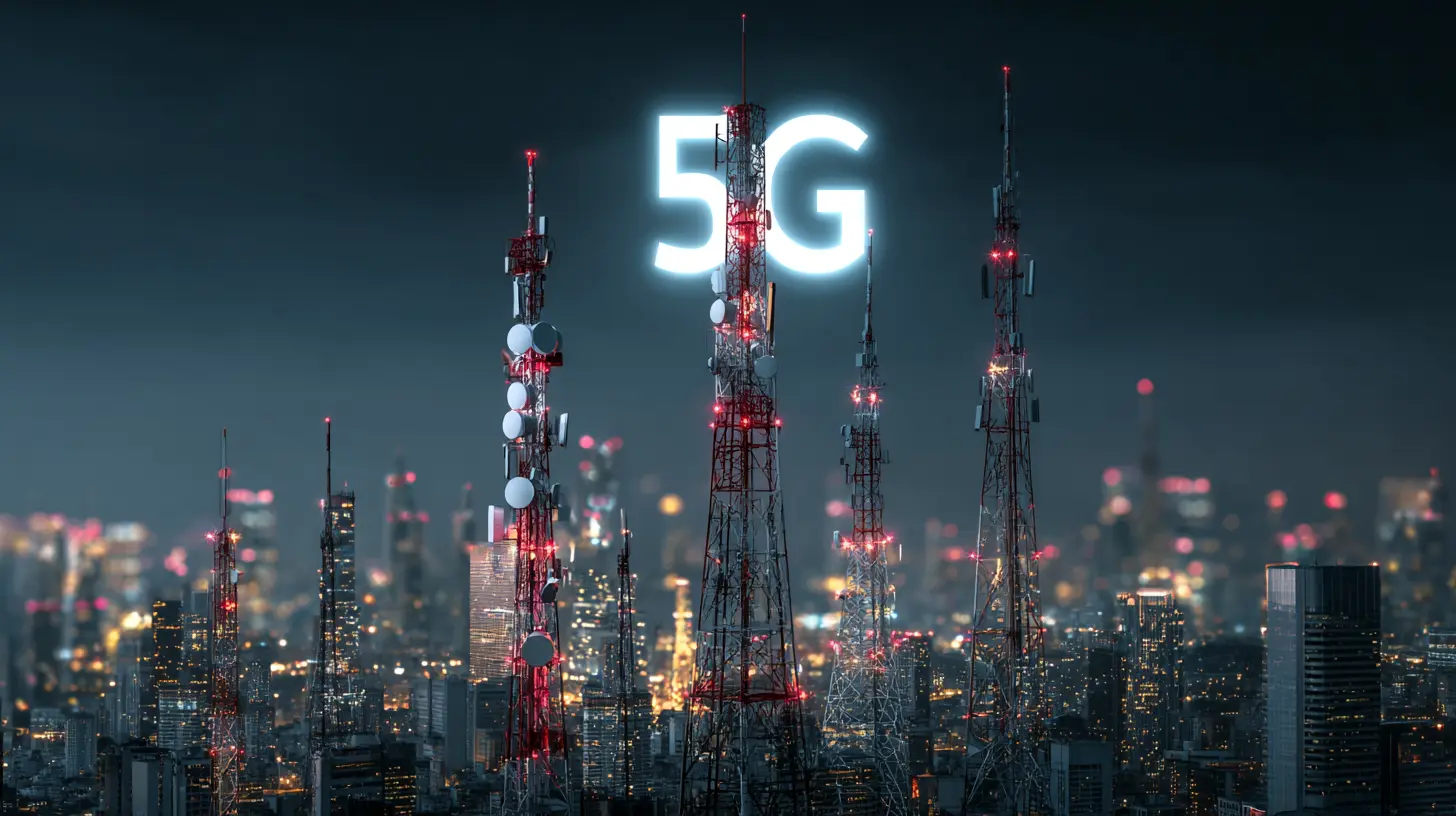
What Is a Smart Grid, Anyway?
Before we dive into the 5G magic, let’s talk about smart grids. Traditional power grids are kinda like old-school landlines—limited, one-directional, and not so great with communication. Smart grids, on the other hand, are more like smartphones—intelligent, interactive, and way more efficient.A smart grid uses digital tech to monitor and manage electricity flow from power plants to homes and businesses. Think sensors, communication networks, and AI working together to make the grid faster, cleaner, and more reliable.
And where does 5G fit in? Well, it’s the super-fast, low-latency backbone that connects all these pieces seamlessly.
The Need for Smarter Energy Management
Let’s face it—our energy demands are climbing faster than ever. We’ve got electric cars, smart homes, and a growing obsession with everything being “always on.” At the same time, there's a big push for green energy, like solar panels and wind turbines, which are not always predictable or centralized.This brings a whole new mess of challenges. The grid not only has to deliver electricity, but also has to juggle where it comes from, when it's needed, and how much to send. That’s a Herculean task if you’re relying on outdated systems.
This is where smart grids, powered by real-time data and automation, swoop in like superheroes. But without a robust communication network, superheroes are kinda lost without their high-speed Bat-Signal.
Enter 5G.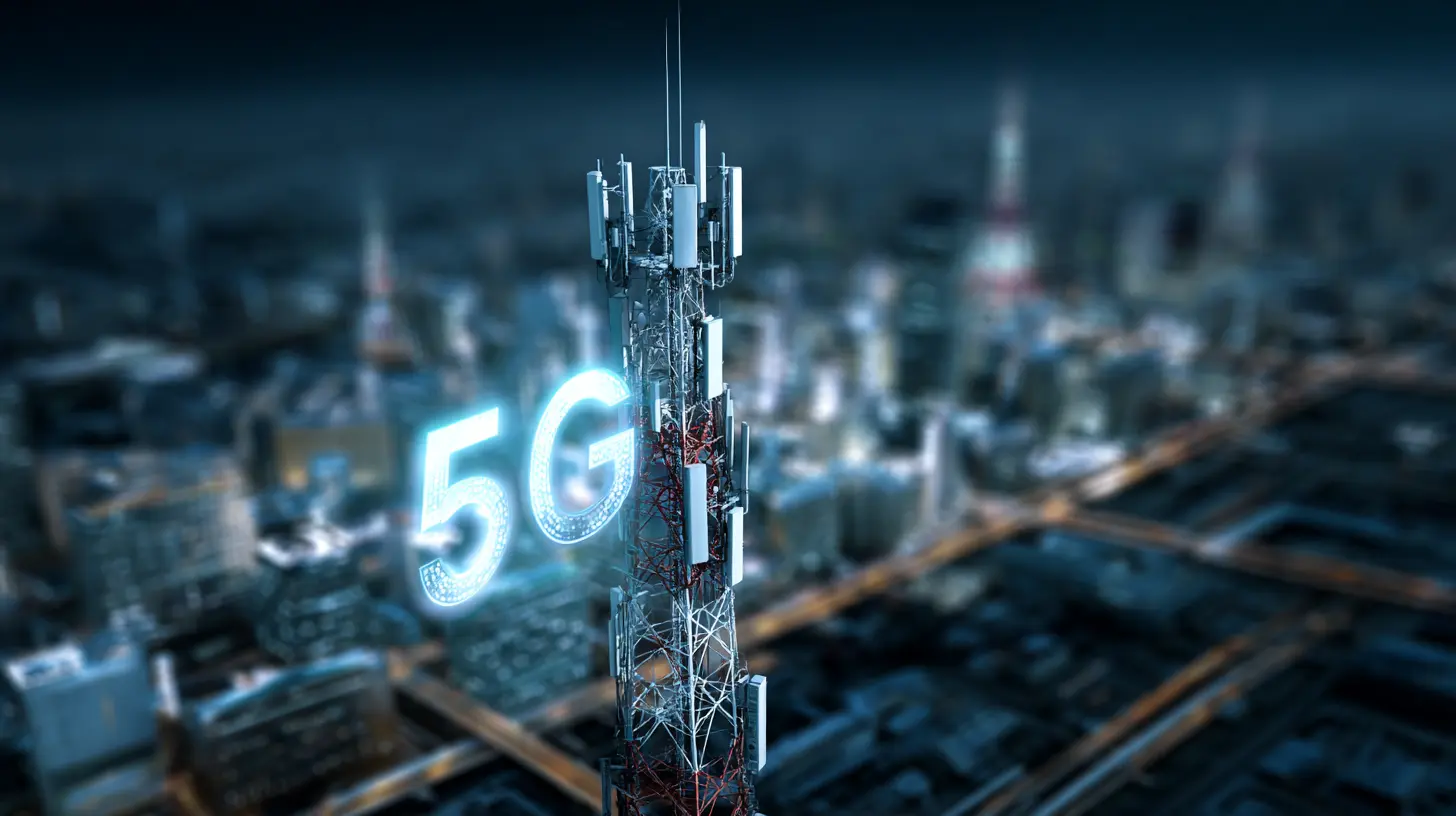
What Makes 5G So Special for Smart Grids?
We already have 4G and some fancy fiber optics—so what’s the big deal about 5G? Well, 5G brings three superpowers to the table:1. Lightning-Fast Speed
We’re talking about download speeds up to 10 Gbps. While that’s cool for streaming and gaming, in the energy sector, it means real-time data transmission.Smart meters, sensors, and grid devices can communicate faster than ever, allowing for immediate response to any hiccups in the system.
2. Ultra-Low Latency
Latency is just a fancy word for delay. With 5G, we’re down to 1 millisecond. That’s almost instant.For grid operations, that’s a game changer. Real-time decisions can be made for load balancing, outage detection, and rerouting power—without any noticeable lag.
3. Massive Device Connectivity
5G networks can support up to a million devices per square kilometer. That’s a whole lot of meters, sensors, and electric vehicles talking to each other.The more connected devices you can have, the smarter your grid becomes. It’s like giving your city a super-intelligent nervous system.
Real-World Applications: 5G in Action with Smart Grids
So, how does this all play out in the real world? Here are a few ways 5G is already making smart grids smarter:1. Real-Time Monitoring and Predictive Maintenance
With 5G, utility companies can monitor grid components 24/7. These aren’t just basic check-ins—advanced sensors can pick up on heat levels, vibrations, or electrical anomalies in equipment.Instead of waiting for things to break, they can predict failures and perform maintenance before a blackout even becomes a possibility. Imagine your car telling you the tire’s about to blow, weeks before it happens. That’s the level of insight we’re talking about.
2. Enhanced Grid Stability and Load Balancing
Smart grids need to balance supply and demand constantly. If too many air conditioners switch on at once, or solar panels suddenly stop producing, the grid needs to react in microseconds.5G makes balancing acts like these not just possible, but efficient. It’s like giving the grid ninja reflexes—it can adjust loads, switch supplies, or even tap into backup storage in real-time.
3. Integration of Renewable Energy
Renewables are great, but they’re unpredictable. The sun doesn’t always shine, and the wind has its moods. To manage this variability, the grid needs to get smarter.With 5G-driven communication, solar panels and wind farms can update the grid about their output in real-time. The system can then make split-second decisions on how to distribute or store that energy.
4. Distributed Energy Resources (DERs)
DERs include home solar panels, small-scale wind turbines, and even electric car batteries. These aren’t centralized like traditional power plants, and they need ultra-fast communication to sync with the smart grid.5G enables two-way communication, allowing DERs to send excess power back to the grid or store it for later. It turns every home and business into mini power hubs.
Smart Cities Demand Smarter Grids
The smart city dream is becoming a reality. We’re talking smart traffic lights, autonomous vehicles, city-wide surveillance, and connected everything.But all that tech runs on one thing—electricity.
To power these futuristic cities efficiently, we need grids that are not just smart, but genius-level intelligent. 5G helps make that happen. It allows for city-wide energy data collection, instant analysis, and automated adjustments.
Without 5G, the smart city would be like a Ferrari stuck in first gear.
Benefits That Go Beyond the Utility Company
Sure, power companies love the efficiency and savings, but what about us—the everyday users?Here’s what 5G-powered smart grids mean for you and me:
1. Lower Energy Bills
With smarter consumption data, utilities can offer dynamic pricing. You can choose to run your dishwasher or charge your EV when rates are lower.2. Fewer Power Outages
Predictive maintenance and faster response times mean fewer blackouts and quicker recovery when things do go wrong.3. Cleaner Energy
Efficient integration of renewable sources means a smaller carbon footprint. You get cleaner energy without changing your lifestyle.4. More Control
Smart apps and devices let you see and control how much energy you’re using in real time. It’s like having an energy dashboard for your house.Challenges on the Road Ahead
Okay, time to pump the brakes for a second. It’s not all sunshine and rainbows.Rolling out 5G isn't cheap or easy. It needs a dense network of small cells, especially in rural or mountainous areas—so coverage may be patchy to start with.
There’s also the cybersecurity elephant in the room. More devices and more data mean more vulnerabilities. Energy grids are critical infrastructure—nobody wants them hacked.
But these challenges aren’t deal-breakers. They're just hurdles that tech and regulatory bodies are racing to overcome.
What the Future Looks Like
Imagine waking up in a house that automatically draws power from your EV battery during peak hours and switches to solar when the sun rises. Your city traffic lights sync with power usage, and your washing machine starts when the energy rate drops.All of this, running smoothly in the background thanks to the speed, reliability, and connectivity of 5G.
That’s not sci-fi. That’s near-future, and 5G is the spark that’s lighting the fuse.
Final Thoughts
5G isn’t just about faster phones. It’s the engine that’s driving a silent revolution in how we produce, deliver, and consume energy. By supercharging smart grids, it’s helping us build a future that’s more efficient, more sustainable, and way smarter.So the next time someone says, “What’s the big deal with 5G?”—you’ll have a pretty electrifying answer.
all images in this post were generated using AI tools
Category:
5g TechnologyAuthor:

Reese McQuillan
Discussion
rate this article
2 comments
Yazmin Dodson
This article really highlights how 5G can transform smart grids. It's exciting to see technology paving the way for more efficient energy management. Looking forward to the innovations that will come from this connection between 5G and smart infrastructure.
July 10, 2026 at 11:59 AM
Reese McQuillan
Thanks for your thoughts! It is indeed an exciting time for energy management with 5G leading the way. Innovations are just around the corner.
Daria Reed
5G's low latency and high bandwidth are game changers for smart grids. By enabling real-time data exchange and enhanced connectivity, it not only boosts efficiency but also paves the way for more sustainable energy management solutions.
May 15, 2026 at 4:34 AM