How Digital Transformation is Redefining Customer Expectations
16 December 2025
Welcome to the world where everything from your refrigerator to your toothbrush might be smarter than your last ex. Yup, we're officially knee-deep in the digital age, where digital transformation isn't just a business buzzword—it's the water businesses swim in. The rules of customer expectations? Completely rewritten. Today's consumers want more, expect faster, and won’t hesitate to ghost your brand if things don’t click.
So grab your coffee (or smartphone—you probably sleep next to it anyway), and let’s dive into how digital transformation is entirely flipping the customer experience script.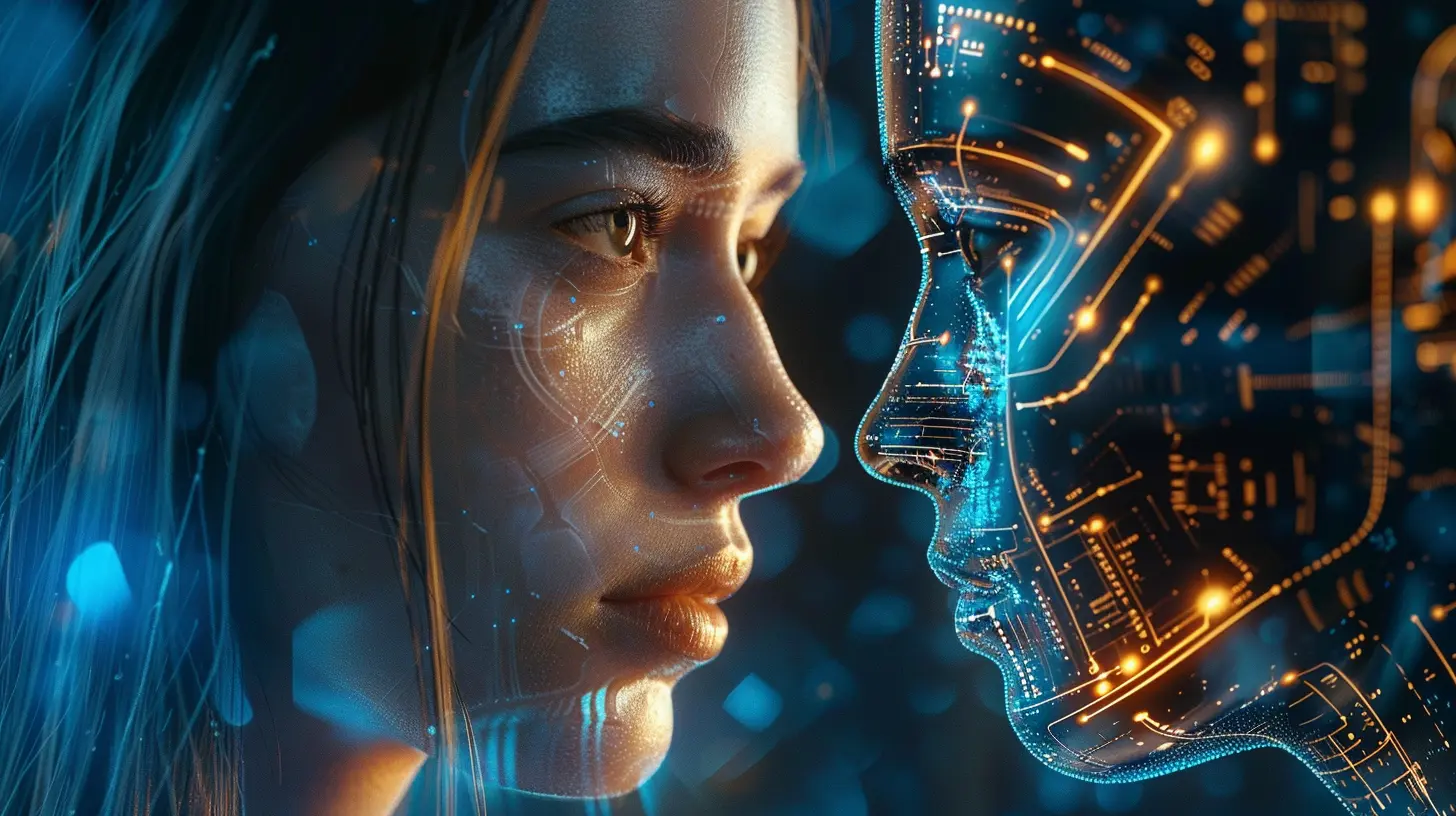
What Even Is Digital Transformation?
Before we dive in like it’s a pool on a hot summer day, let’s define what we mean by digital transformation. ✨Digital transformation is like giving your business a full-on Tony Stark tech upgrade—think Iron Man suit for your customer experience. It’s the process of integrating digital technologies into every aspect of a business, fundamentally changing how it operates and delivers value. We’re talking automation, AI, cloud computing, data analytics, machine learning, CRM systems that actually work, and apps for literally everything.
But here’s the kicker—it’s not just about tech. It’s about people. It’s about culture. It’s about expectations that went from “I hope my package arrives next week” to “Why hasn't my food arrived in 14 minutes?!”
The Rise of the Empowered Customer
Our digital world has created a new breed of customer: the empowered customer. And let me tell you, they are not messing around.Thanks to smartphones, smart homes, and smart...toasters (yes, that’s a thing), customers are equipped with more information, more options, and less patience than ever before.
They can compare prices, read reviews, watch YouTube unboxings, and get recommendations from their Great Aunt Susan—all while waiting in line for coffee.
Here’s what they now expect:
- Instant responses (bots, don’t fail us now!)- Hyper-personalized experiences (they expect you to remember their dog’s birthday)
- Seamless multi-channel engagement (if they text you, you better not email back)
- Value-driven relationships (no more “buy this now,” it’s “let me help you solve a problem”)
They want brands to get them, without being creepy (tough balance, eh?).
From Transactional to Relational: A Love Story
Remember back in the day when customer service was just about fixing problems? We’ve upgraded like we just unlocked a new romance path in a dating sim.Now, it’s all about relationships. Loyal, long-term, swipe-right-worthy relationships.
Digital transformation has made it easier than ever for brands to stay emotionally connected with customers. Through data and predictive analytics, brands can understand your likes, dislikes, and probably what you had for breakfast...before you even asked for help.
Let’s say you buy running shoes from a website. Next thing you know, you’re getting emails about marathon training tips, playlists curated for runners, and a discount code for the next upgrade. It's like they're reading your mind—or at least your cookies.
Relationship status? It's complicated...but personalized.
The Need for Speed (And No, We’re Not Talking About the Movie)
Let’s talk about expectations when it comes to speed. Back in the day, if a website loaded in under 10 seconds, you'd be impressed. Today, if it takes longer than 3, people start sweating like their Wi-Fi just failed mid-Netflix binge.Digital transformation is redefining what “fast service” means in every single industry. Whether it's trying to get a latte or booking a dentist appointment, customers want lightning-fast service—and they want it yesterday.
Thanks to digital tools like:
- AI chatbots- Self-service portals
- Instant checkout and one-click purchasing
- 24/7 virtual agents
…people can get what they need with fewer human interactions. And oddly enough, for many of us...that’s a good thing.
Omnichannel is the New Black
Raise your hand if you’ve ever started a purchase on your phone, then finished it on your laptop, while chatting with a support rep on Facebook Messenger. (No judgment here, we’ve all been there.)That’s omnichannel engagement—and it’s no longer a “nice to have.” It’s table stakes.
Customers don’t care that your marketing, sales, and customer support teams have separate tools. They see you as one brand. If you’ve got a clunky system that requires them to explain their problem five times, you’ve already lost.
Thanks to digital transformation, businesses now have the power to:
- Unify communications across channels
- Maintain context of conversations (hallelujah!)
- Offer real-time updates and resolutions
- Keep customer data synchronized (yes, finally!)
Basically, it’s like your business just got a universal translator. 🧠💬
AI: The Magic Crystal Ball of Customer Experience
Prediction: You’re going to fall in love with AI. If you're already not totally obsessed, it’s probably just a matter of time.Artificial Intelligence is the secret sauce behind many of the mind-blowing customer experiences out there today. Thanks to its ability to crunch massive datasets faster than a toddler can destroy a clean living room, AI can predict what a customer wants...sometimes before they know it.
It helps with:
- Personalized recommendations (Oh hey, those jeans you "accidentally" left in your cart...)- Predictive customer service (Fixing problems before you even report them)
- Sentiment analysis (Decoding your tone before you launch a full-caps Twitter rant)
- Chatbots that don’t sound like robots from 1984
So yeah, it’s basically a customer whisperer.
Data: The New Oxygen
Let’s take a moment to appreciate something we're swimming in but rarely think about—data. It’s more than just numbers. It’s insights, patterns, and the breadcrumbs customers leave behind with every click, swipe, and scroll.Without data, digital transformation is just a shiny car with no gas. With it? You’ve got a turbo-charged machine that can laser-focus on customer needs like a cat chasing a laser pointer.
Here's what smart businesses do with data:
- Track customer journeys across devices- Analyze behavior to optimize UX
- Tailor messaging and promotions
- Segment audiences for laser-targeted engagement
It’s not about Big Brother vibes. It’s about understanding what makes your customers tick and delivering what they need before they even ask.
(Also, if you’re not using data yet… welcome to 2024, the water’s fine. Let’s get you started.)
Real-Time Everything: Because Waiting is So 2010
Patience may be a virtue, but in the digital world? It’s a myth. Like unicorns. Or Facebook privacy.Digital transformation has given businesses the power to operate in real-time. Customers don’t just want things fast—they want things now. Tracking orders in real-time. Getting updates the second something changes. Receiving an email confirmation before they even click “submit.”
This need for immediacy is creating a new gold standard for customer experience—one that’s only possible through the magic of real-time analytics, cloud-based services, and some seriously sleek backend automation.
Digital Self-Service: The New Front Desk
Raise your hand if you’d rather clean your entire garage than sit on hold for 45 minutes listening to “soothing” elevator music.You’re not alone. In fact, studies show most customers now prefer to solve problems themselves—provided you give them the right tools.
That’s why digital self-service options like:
- FAQs that don’t suck
- Interactive troubleshooting guides
- User-friendly portals
- AI-powered help centers
…are redefining customer support. Think of it like giving your customers a superhero cape and saying, “You got this, champ.”
Trust Is the New Currency (And It's Fragile)
Let’s talk about trust. It’s harder to earn than ever before—and easier to lose than your socks in the laundry.Digital transformation means more data collection, more automated decisions, more reliance on algorithms. All great...until a personalization attempt gets too personal and creeps someone out.
Brands now walk a tightrope between helpful and invasive.
What does this mean for businesses?
- Be transparent about data usage
- Don’t be weird (yes, this is actual advice)
- Offer easy data control features
- Align digital experiences with ethical values
Basically, treat customer data like it’s your grandma's recipe book—precious, private, and never to be misused.
The Bar Keeps Rising (And There’s No Ceiling in Sight)
The thing about customer expectations is—they don’t go backward. Once someone experiences same-day delivery, one-click checkout, or hyper-personalized service, they don’t want to go back to the Dark Ages.That’s the real curveball of digital transformation: it’s not a destination. It’s an ongoing journey. Like chasing a bus that keeps speeding up every time you run faster.
To keep up, businesses need to:
- Continually adopt emerging tech
- Stay glued to customer feedback
- Be agile (yes, like in yoga… but with tech)
- Innovate like their survival depends on it (because, well, it does)
Final Thoughts: Bring Snacks, It’s a Long Ride
Digital transformation is reshaping customer expectations not with a gentle nudge, but with a full-on bulldozer. From AI and data to real-time responsiveness and omnichannel engagement, customers today expect experiences that are fast, smart, seamless, and personal.If your business is still using outdated systems or treating digital change like a “maybe someday” thing…well, your customers have probably already moved on.
So embrace the tech. Read the signals. And remember—this is less about plugging in new gadgets and more about plugging into customer needs.
Alright, now go impress your CTO with your newfound insights. Or, you know, just casually drop “omnichannel strategy” into your next Zoom meeting.
You got this.
all images in this post were generated using AI tools
Category:
Digital TransformationAuthor:

Reese McQuillan
Discussion
rate this article
2 comments
Arwen McGuffey
Exciting times ahead! Embrace digital transformation and watch customer expectations soar to new heights!
December 22, 2025 at 4:21 AM
Reese McQuillan
Absolutely! Embracing digital transformation is key to not only meeting but exceeding customer expectations. Exciting times indeed!
Octavia McConnell
Adaptation shapes future customer journeys.
December 16, 2025 at 5:17 AM
Reese McQuillan
Absolutely! Adaptation is essential as it allows businesses to align with evolving customer needs, ensuring a seamless and relevant experience in an increasingly digital landscape.