How Mobile Payments are Driving Economic Growth in Emerging Markets
17 March 2026
In the last decade, mobile payments have gone from being a convenient alternative for the tech-savvy to a transformative force in emerging markets. These digital transactions are revolutionizing the way people handle money, especially in regions where traditional banking services are either scarce or inaccessible.
Think about it for a second—people in rural areas, who otherwise had to trek for miles to access banking services, can now make payments, receive money from family members abroad, or even run a small business, all from their mobile phones. And we’re not talking about the latest iPhone here; even basic phones can support mobile payments in many parts of the world. This is the power of mobile technology at play, and it’s changing lives.
But how exactly are mobile payments driving economic growth in these emerging markets? What makes them such a game-changer? Let’s dive in.
The Rise of Mobile Payments in Emerging Markets
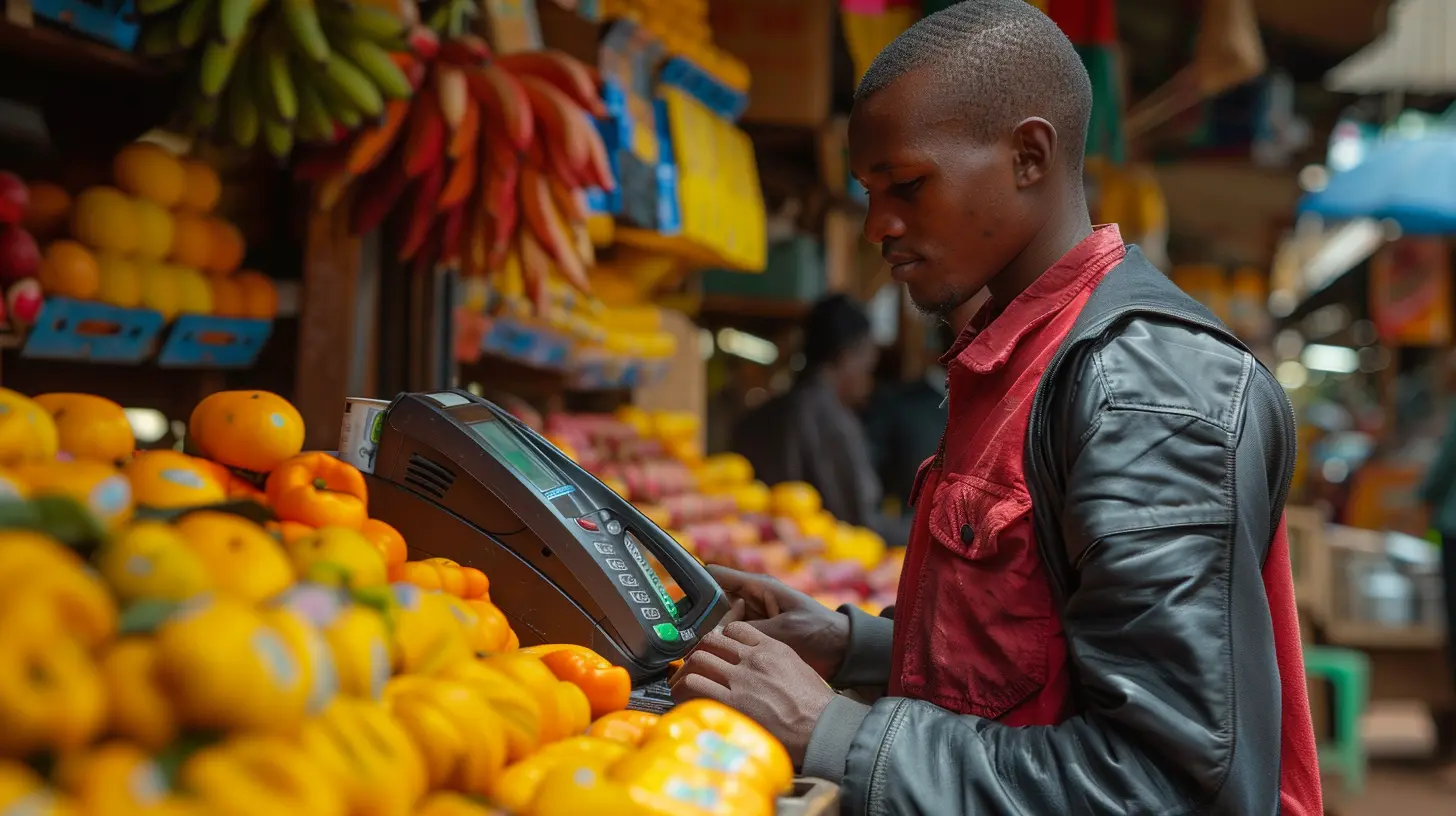
Before we get into the nitty-gritty of how mobile payments are fueling economic growth, it’s important to understand the context. Emerging markets, by definition, are economies that are in the process of rapid industrialization and growth. Countries like Kenya, India, and many parts of Southeast Asia fall into this category. While they may not yet be as developed as Western markets, they’re on the fast track to getting there.One of the key factors that has allowed mobile payments to thrive in these regions is the widespread adoption of mobile phones. In many emerging markets, mobile penetration far exceeds access to traditional banking services. In fact, it’s not uncommon for people to own mobile phones but have no access to a bank account. This discrepancy has set the stage for mobile payments to step in as a major player.
Take the case of Kenya's M-Pesa, for example. Launched in 2007, M-Pesa allows users to deposit, withdraw, and transfer money using their mobile phones. It’s now used by over 40 million people across Africa. What started as a simple money transfer service has since evolved into a fully-fledged financial ecosystem. And that’s no small feat.
Financial Inclusion: The Game Changer
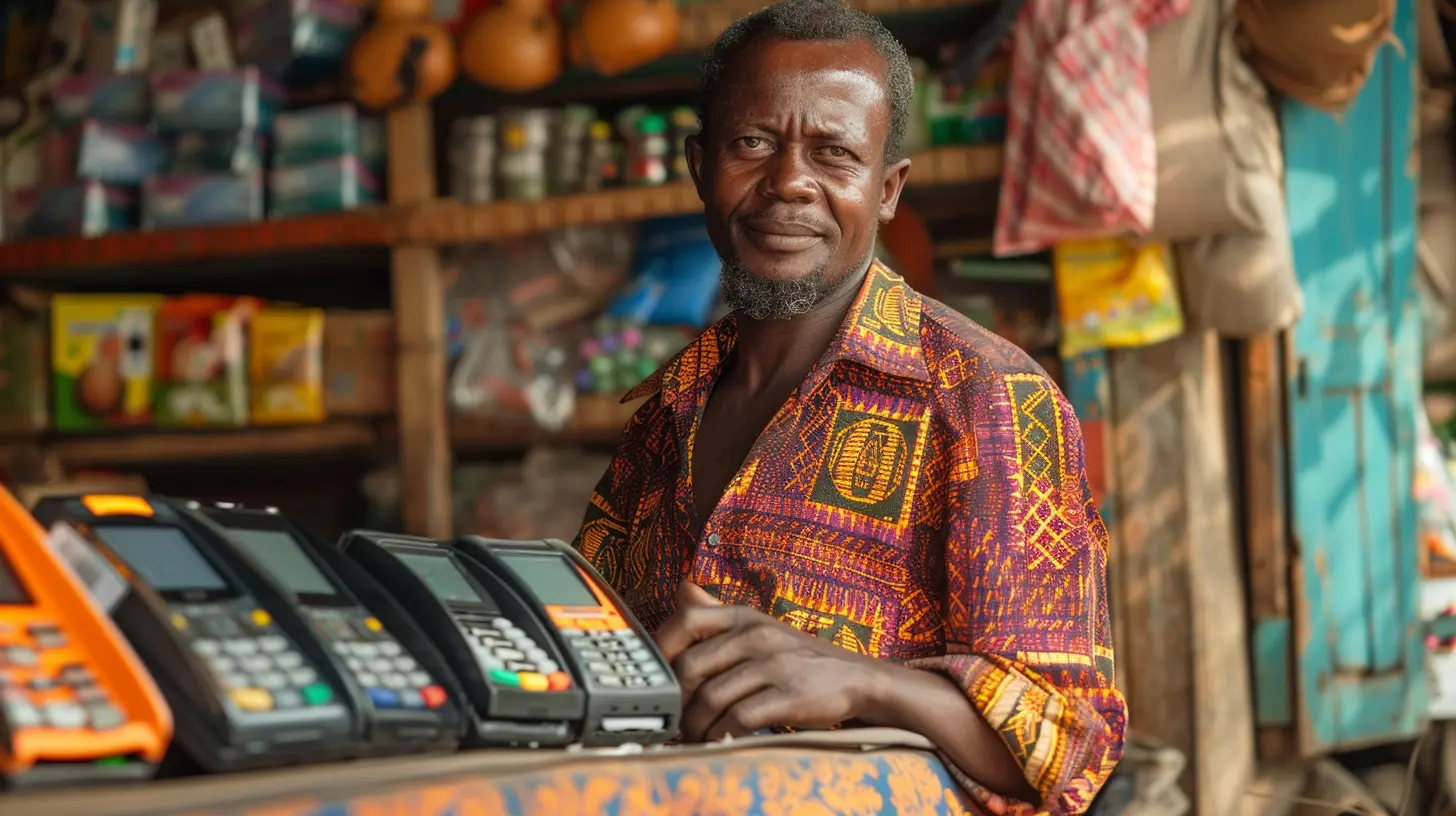
If there’s one thing that mobile payments have done exceptionally well, it’s promoting financial inclusion. So, what exactly is financial inclusion? In simple terms, it means ensuring that individuals and businesses have access to affordable financial services, such as savings accounts, loans, and insurance.For many people living in emerging markets, traditional financial services were once out of reach. This was due to various factors such as lack of infrastructure, high banking fees, or even the sheer distance to the nearest bank branch. But with mobile payments, all of that has changed.
Mobile payments are democratizing access to financial services. All you need is a mobile phone and you’re good to go. Whether you're a farmer in rural India looking to receive payments for your crops or a small shop owner in Nigeria who wants to accept digital payments, mobile technology has made it possible. This has opened up a world of opportunities for millions of people who were previously left out of the financial system.
And let’s not forget about the unbanked population. According to the World Bank, about 1.7 billion adults globally remain unbanked. A significant portion of this population resides in emerging markets. Mobile payments are bridging this gap by providing a low-cost, accessible alternative to traditional banking services. In doing so, they’re not just enabling transactions; they’re empowering people.
Boosting Small and Medium Enterprises (SMEs)
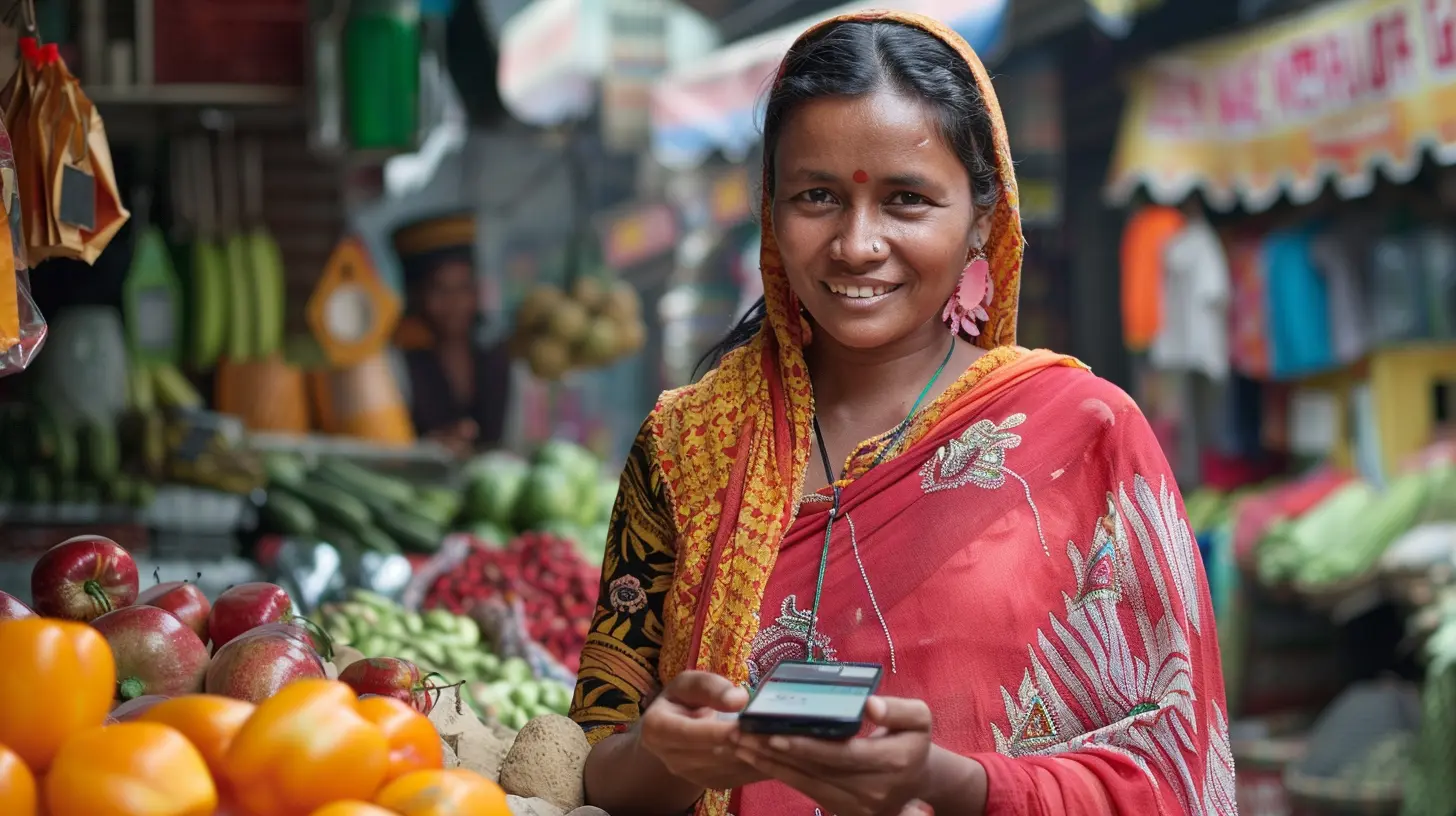
Now, let's talk about small and medium enterprises (SMEs)—the backbone of many emerging market economies. SMEs make up a substantial part of the economy in countries like India, Nigeria, and Brazil. However, due to limited access to credit and banking services, many of these businesses have historically struggled to scale.Enter mobile payments. By providing SMEs with a simple, cost-effective way to accept payments, mobile technology is helping these businesses thrive. In fact, many small business owners in emerging markets report that mobile payments have allowed them to reach more customers, increase sales, and even expand operations.
For example, in Ghana, mobile payments have made it possible for small-scale traders to accept digital payments from customers, rather than relying on cash transactions. This not only improves security (no more carrying large sums of cash) but also makes it easier for businesses to keep track of sales, manage inventory, and plan for future growth.
Moreover, mobile payments can also give SMEs access to credit. Some mobile payment platforms now offer microloans based on transaction history. This means that even small businesses with no formal credit history can access the funds they need to grow. Talk about leveling the playing field!
Reducing Transaction Costs and Time
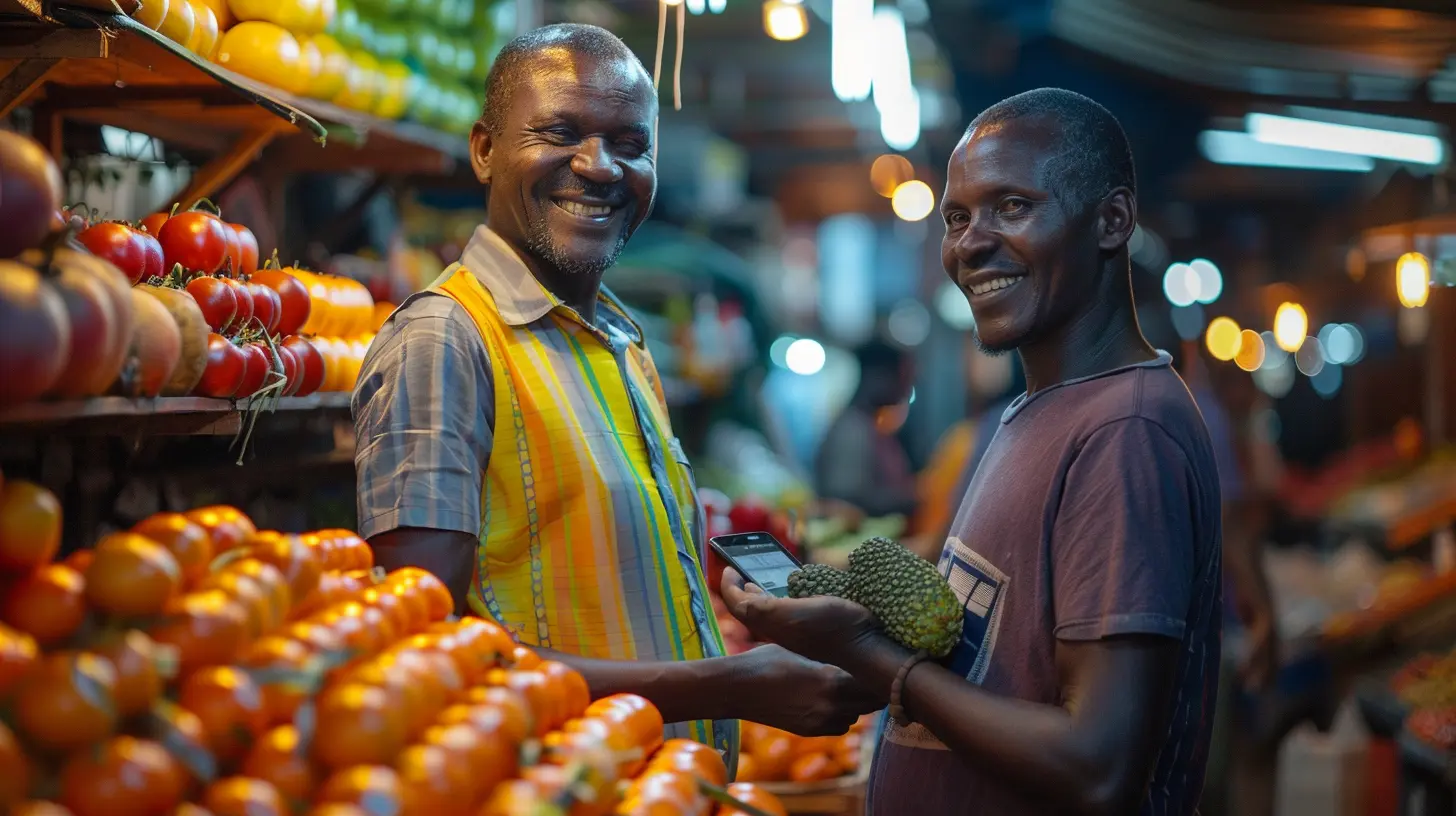
In emerging markets, cash has traditionally been king. But handling cash comes with its own set of challenges, especially for businesses. It’s costly to manage, it’s risky, and it’s time-consuming. Mobile payments, on the other hand, offer a faster, safer, and more efficient alternative.With mobile payments, transactions can be completed in seconds, and the costs are often much lower than those associated with traditional banking services. For example, cross-border remittances, which are a major source of income for many families in emerging markets, typically come with hefty fees when sent through formal banking channels. However, mobile payment platforms like M-Pesa or GCash have made it much cheaper to send and receive money across borders.
The result? More money stays in the hands of the people who need it. And when people have more disposable income, they’re more likely to spend it, which in turn stimulates local economies. It's a win-win situation.
Encouraging a Shift Toward a Cashless Society
In many emerging markets, a shift towards a cashless society is already underway, thanks to the rise of mobile payments. Cashless transactions offer a level of transparency and security that simply isn’t possible with cash. This shift is especially important in countries where corruption and informal economies have long been a challenge.By promoting digital transactions, mobile payments are helping to formalize economies. This, in turn, makes it easier for governments to track economic activity, increase tax revenues, and make better policy decisions. It’s a ripple effect that can lead to more sustainable economic growth in the long run.
In countries like China and India, where cashless payments have surged in popularity, we’re already seeing the benefits. These economies are becoming more transparent, efficient, and inclusive—all of which contribute to robust economic growth.
Driving Innovation and New Business Models
Mobile payments aren’t just making life easier for consumers and businesses—they’re also driving innovation. In fact, the rise of mobile payments has spurred the creation of entirely new business models in emerging markets.For instance, mobile-only banks, or "neobanks," are popping up across Africa, Asia, and Latin America. These digital-first banks are designed to cater to the needs of mobile users, offering services such as savings accounts, loans, and insurance, all without the need for a physical branch. This is particularly significant in emerging markets, where infrastructure is often lacking.
Moreover, mobile payments are enabling the growth of gig economies in regions where formal employment opportunities may be limited. Platforms like Uber, Bolt, and food delivery services are gaining traction in emerging markets, allowing people to earn income in new ways. The gig economy is thriving, and mobile payments are at the heart of this transformation.
Challenges on the Horizon
Now, it’s not all smooth sailing. While mobile payments are driving economic growth in emerging markets, there are still challenges that need to be addressed. For one, digital literacy remains a barrier in some regions. Not everyone is comfortable using mobile technology, especially older generations or those with limited education.Additionally, there are concerns around cybersecurity and fraud. As mobile payments become more widespread, so too do the risks associated with them. Ensuring that users are protected from fraud and that their data is secure will be critical to the long-term success of mobile payment platforms.
Lastly, regulatory hurdles can slow down the adoption of mobile payments. In some countries, outdated or overly stringent regulations are making it difficult for mobile payment providers to operate efficiently. Governments and regulators will need to work together to create an environment that fosters innovation while still protecting consumers.
The Road Ahead
Despite the challenges, the future of mobile payments in emerging markets looks incredibly promising. As mobile technology continues to advance and more people gain access to affordable smartphones, the reach of mobile payments will only grow.In the coming years, we can expect to see even more innovation in the mobile payments space, from improved security features to new ways of integrating mobile payments with other emerging technologies like blockchain and artificial intelligence. The possibilities are endless.
One thing is clear: mobile payments are not just a passing trend. They’re a fundamental shift in the way people interact with money, and they have the potential to uplift entire economies. By fostering financial inclusion, boosting SMEs, reducing transaction costs, and driving innovation, mobile payments are helping to create a more inclusive and prosperous future for emerging markets.
Conclusion
Mobile payments are doing more than just making life more convenient—they're driving economic growth in ways we could have never imagined a decade ago. From empowering individuals and small businesses to fostering innovation and bridging the financial gap, mobile payments are proving to be a powerful tool for development in emerging markets. As these economies continue to grow and evolve, one thing is certain: mobile payments will play a key role in shaping their future.all images in this post were generated using AI tools
Category:
FintechAuthor:

Reese McQuillan
Discussion
rate this article
2 comments
Elowen Morris
This article effectively highlights the transformative role of mobile payments in emerging markets. By increasing financial inclusion and facilitating transactions, mobile technology empowers small businesses and consumers alike. As adoption grows, we can expect significant economic growth and innovation, reshaping these regions for the better. Great insights!
March 28, 2026 at 1:31 PM
Reese McQuillan
Thank you for your thoughtful comment! I'm glad you found the insights valuable and agree on the potential impact of mobile payments in driving growth and innovation in emerging markets.
Solaria McCullough
Finally, my wallet can take a vacation too!
March 17, 2026 at 1:41 PM
Reese McQuillan
Absolutely! Mobile payments are making transactions easier and more accessible, allowing everyone to save and spend smarter. Enjoy that vacation!