Quantum Computing: The Key to Unimaginable Speed and Security
9 January 2026
Let’s face it—traditional computers are starting to feel just a bit… slow, right? We squeeze every ounce of performance from our laptops, phones, and even massive data centers, but there's only so far silicon chips can go. Enter quantum computing—an emerging tech that’s not just about speed, but about changing the game altogether. Think about solving problems in seconds that would take today’s supercomputers thousands of years. Yep, that’s not sci-fi anymore, it’s quantum reality.
In this blog, we’re going to unpack the mysteries of quantum computing, understand why it’s such a massive leap forward in speed and security, and why the tech world is buzzing about it. So, grab a coffee, and let’s dive into the quantum realm!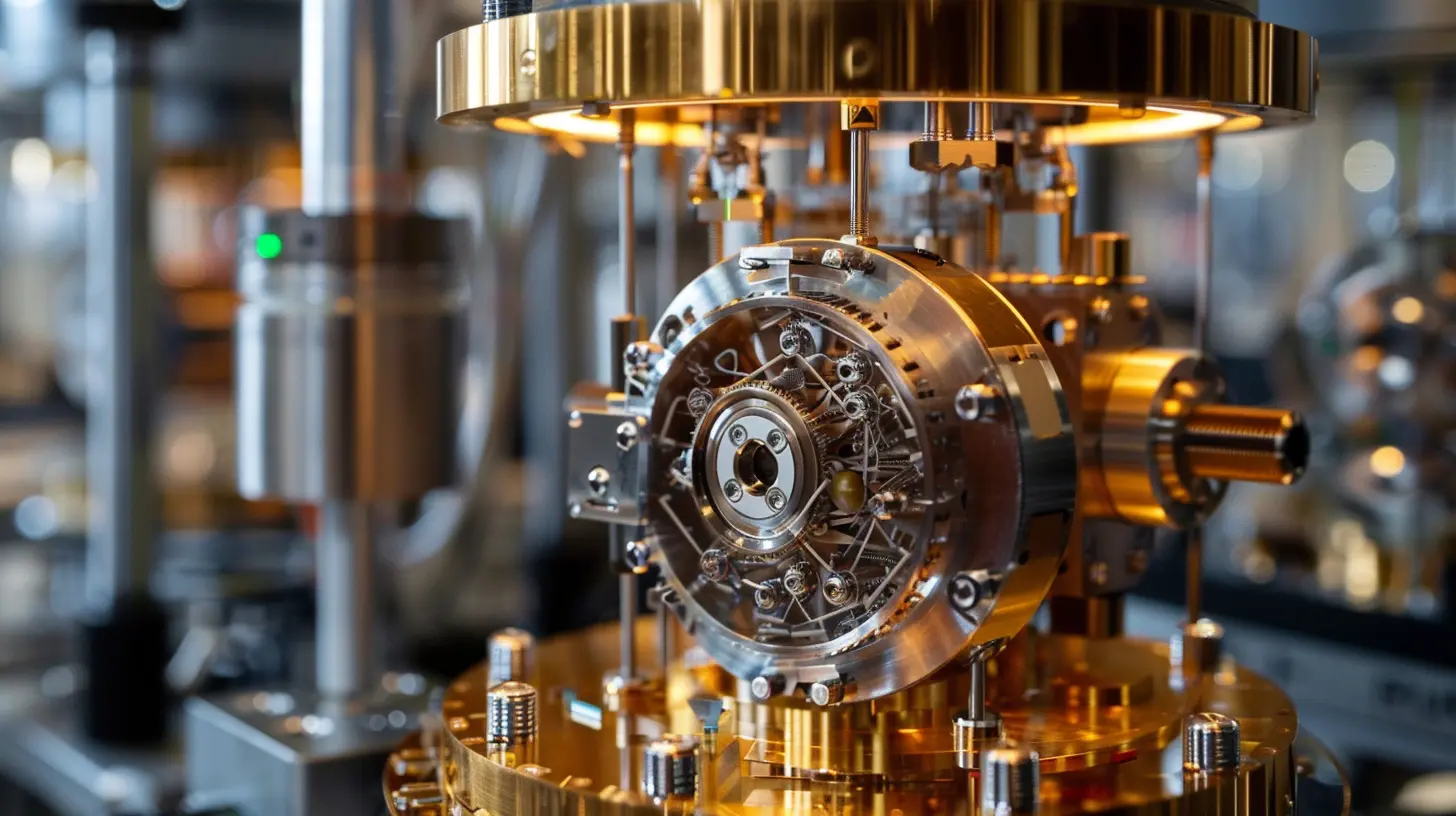
What is Quantum Computing?
If your brain instantly imagines a glowing box humming with wormhole energy, you’re not that far off. Quantum computing is built on the rules of quantum mechanics—the weird, counterintuitive science that governs the tiniest particles in our universe.Unlike classical computers that use bits (those familiar 0s and 1s), quantum computers use qubits. And here’s the magic: qubits can be both 0 and 1 at the same time, thanks to something called superposition. Imagine flipping a coin and instead of it landing heads or tails, it’s both simultaneously. Wild, right?
But wait, there’s more…
Quantum bits aren't flying solo. They’re also connected through entanglement—a spooky phenomenon Einstein famously described as “spooky action at a distance.” When qubits are entangled, the state of one instantly influences the other, even if they’re miles apart. This interconnectedness allows quantum computers to process massive amounts of data in parallel, giving them a superpower that classical computers just can’t match.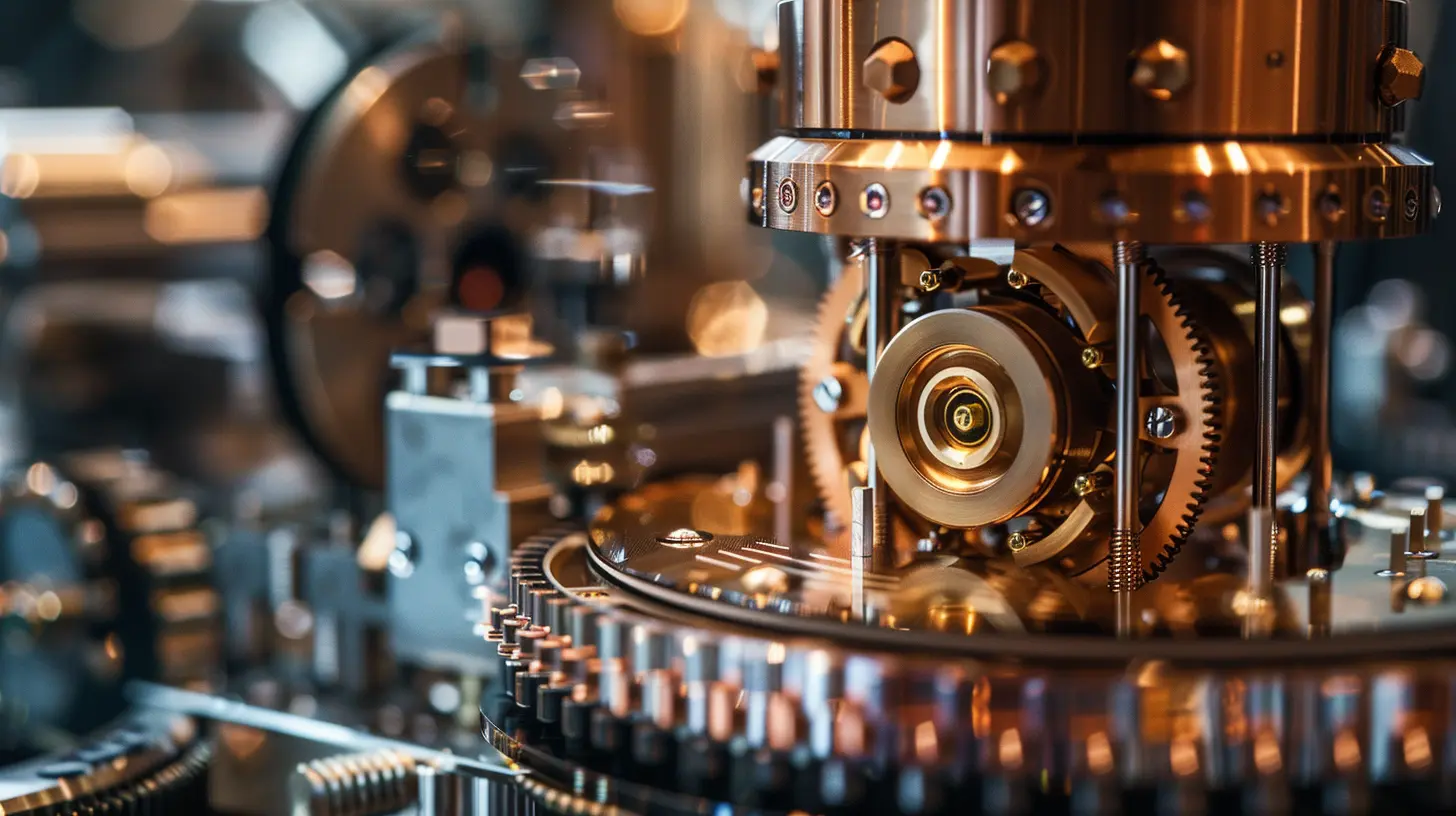
How Fast Are We Talking?
Let’s put this into perspective. Imagine trying to find one specific book in the world’s biggest library. A classical computer would have to check each book one at a time. A quantum computer? It could read them all at once.Take Google’s quantum computer, Sycamore—as an example. In 2019, it completed a particular task in 200 seconds. The same task would have taken the most powerful classical supercomputer over 10,000 years. Yep, you read that right. That’s the kind of speed we’re talking about.
But it’s not about replacing classical computers altogether. Quantum machines won’t run your YouTube or edit your vacation photos. What they will do is handle insanely complex problems—things like modeling molecules for new drugs, optimizing huge supply chains, or cracking codes that would stump any traditional system.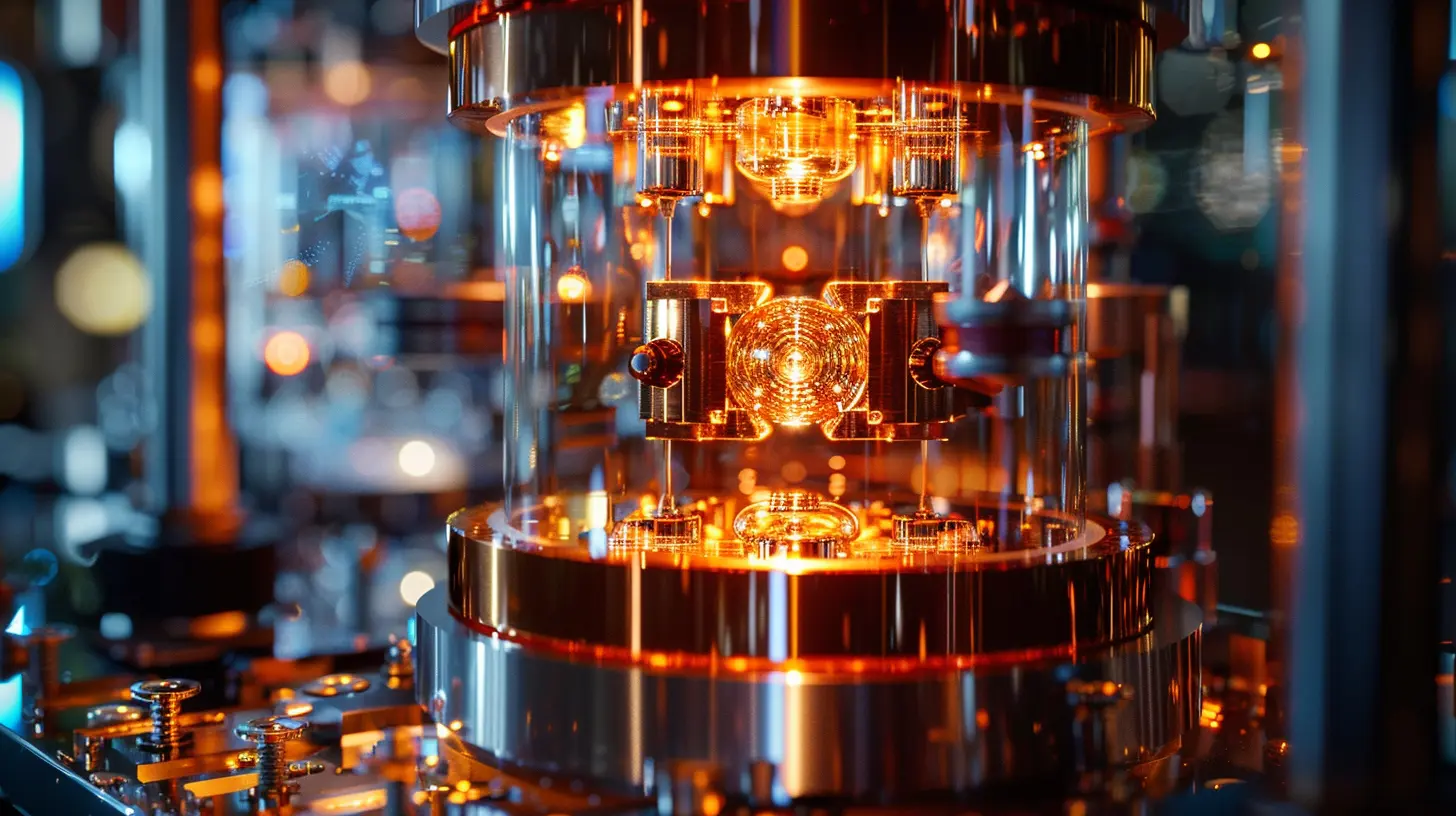
Quantum Computing and Unbreakable Security
Now, let’s talk cybersecurity. Right now, most digital security relies on encryption—specifically, on the crazy difficulty of factoring very large numbers. Classical computers are pretty bad at this, which is why your bank transactions are (mostly) safe.Quantum computers? Not so much.
They could break today's encryption like snapping a twig—because of algorithms like Shor’s algorithm, which allows quantum systems to factor large numbers ridiculously fast. That sounds terrifying, right?
But don’t panic just yet.
The quantum world doesn’t just tear security apart—it rebuilds it stronger. This brings us to quantum cryptography, particularly quantum key distribution (QKD). QKD uses the principles of quantum physics to create keys that are literally impossible to intercept without detection.
Imagine sending a secret message through a laser beam, and the moment someone tries to peek at it, the entire message scrambles itself. That’s quantum cryptography in action. So while the quantum future might be a threat to old-school encryption, it could also usher in a golden age of ultra-secure communication.
Real-World Applications That Will Blow Your Mind
So where does this super-speed-mega-secure tech get used? Here’s where things get really interesting:1. Drug Discovery and Healthcare
Quantum computing can simulate molecules at a quantum level (how fitting!), which is a game-changer for discovering new drugs. Traditional computers struggle with the complexity of atoms and molecules. Quantum systems? They live for this stuff. Faster drug discovery could mean revolutionary treatments for diseases like cancer and Alzheimer’s within months, not decades.2. Weather Forecasting and Climate Modeling
Predicting the weather isn’t just about carrying an umbrella. It affects agriculture, disaster preparedness, and even global economies. Quantum computers could process all layers of climate data simultaneously, giving us more accurate and longer-range forecasting.3. Financial Modeling
Wall Street, take note. Quantum algorithms can analyze market data in real-time, simulate countless economic outcomes, and detect fraud patterns faster than ever. That’s a big deal for anyone with money in the game (so… basically all of us).4. Artificial Intelligence (AI)
AI and machine learning models thrive on data—but they’re still limited by classical processing. Quantum computing could boost training speeds and improve decision-making across countless industries, from self-driving cars to customer service bots.5. Quantum Internet
Yes, it's a thing. Imagine an internet where every message is encrypted by quantum mechanics. Hackers? Not a chance. Your privacy? Lockdown-level safe.What’s The Catch?
Before we all start drooling over the quantum utopia, let’s pump the brakes a bit.Quantum computers aren’t exactly plug-and-play. They require super-cold environments, are absurdly fragile, and still struggle with errors. We’re talking about temperatures close to absolute zero—colder than outer space.
Also, building stable qubits is hard. The more qubits you add, the more complex the system becomes. It’s like trying to build a house of cards in a tornado.
But here’s the exciting part: companies like IBM, Google, Microsoft, and startups like Rigetti and IonQ are making massive strides. Every year, qubit counts go up, error rates go down, and applications get more practical.
It's not a question of if quantum computing hits the mainstream, but when.
Will Quantum Computing Replace Classical Computers?
Short answer? Nope.Quantum computers won’t replace your laptop or your gaming PC. They’re specialists, not generalists. They’ll be used in data centers, universities, and labs to handle very specific, high-stakes problems. Think of them more like powerful assistants to classical computers, rather than replacements.
It's kind of like comparing Formula 1 cars to your everyday sedan. They’re built for different purposes. You’re not commuting to work in an F1 car, but that doesn’t mean it's not mind-blowingly fast when you need it to be.
The Race for Quantum Supremacy
“Quantum supremacy” isn’t just a flashy buzzword. It’s the moment when a quantum computer solves a problem that’s outright impossible for a classical system. Google claims to have hit that milestone. IBM says it’s more complicated than that. The truth? Everyone is sprinting toward a future where quantum power becomes usable, reliable, and commercially viable.Countries are pouring billions into quantum research. Why? Because whoever leads in quantum tech could control industries, defense systems, and secure communications in tomorrow's digital battlefield. It's the new space race—except this time, the battleground is the quantum realm.
So… Should You Care?
Absolutely.You might not need to understand the deep math behind qubits or superposition, but quantum computing will impact your life. From faster medical breakthroughs and safer digital banking to cleaner energy and smarter AI, this isn’t just some niche scientific curiosity. It’s the future of technology.
Knowing just a bit about it puts you ahead of the curve—and who doesn’t want that?
Plus, the job market is already shifting. Quantum computing could create thousands of new roles—from quantum engineers to cybersecurity specialists. If you’re tech-savvy and future-focused, now’s the time to keep an eye on this space.
Wrapping It Up: A Quantum Leap into Tomorrow
Let’s be real—quantum computing still sounds like something out of a Marvel movie. But the tech is real, evolving fast, and set to influence everything we do in the next few decades. It’s not just about speed or security; it’s about rethinking what’s possible.In a world that’s constantly looking for smarter, faster solutions, quantum computing might just be the key that unlocks it all. So yeah… it’s a pretty big deal.
Whether you’re a curious newbie or a seasoned tech geek, the quantum journey is one worth keeping tabs on. Because this time, the future isn’t just digital—it’s quantum.
all images in this post were generated using AI tools
Category:
Future TechAuthor:

Reese McQuillan
Discussion
rate this article
2 comments
Issac McVicar
Quantum computing promises to redefine speed and security, transforming what we once thought impossible. As we stand on the brink of this technological leap, it's essential to balance excitement with caution—after all, with great power comes the potential for greater risks. Are we ready to embrace the quantum revolution?
January 31, 2026 at 4:25 AM
Reese McQuillan
Absolutely, while quantum computing offers exciting possibilities, we must also address the ethical and security implications to ensure a responsible embrace of this powerful technology.
Holly McEachern
This article provides an insightful overview of quantum computing's potential impact on speed and security. The exploration of its implications for various industries is particularly fascinating. Thank you for shedding light on such a complex and exciting topic! Looking forward to future developments.
January 13, 2026 at 4:28 AM
Reese McQuillan
Thank you for your kind words! I'm glad you found the article insightful. Exciting developments are definitely on the horizon!