Sustainable IT Practices That Will Dominate by 2026
3 May 2026
Let me paint you a picture. You're sitting at your desk, sipping coffee, and your laptop hums quietly. You don't think much about it, right? It's just there, doing its job. But behind that screen lies a beast-a hungry one. Data centers, servers, cooling systems, and the endless churn of hardware upgrades all guzzle energy like there's no tomorrow. And honestly? We've been ignoring the bill for too long.
By 2026, that's going to change. Not because we suddenly grew a conscience, but because we have to. The planet's thermostat is cranked up, regulations are tightening, and your boss is starting to ask about the company's carbon footprint. Sustainable IT isn't a niche trend anymore-it's becoming the baseline. If you're not thinking about it now, you're already behind.
So, what does sustainable IT actually look like in two years? Let's break it down, no fluff, just the real stuff that's coming your way.
The Slow Death of the Rack-and-Stack Mentality
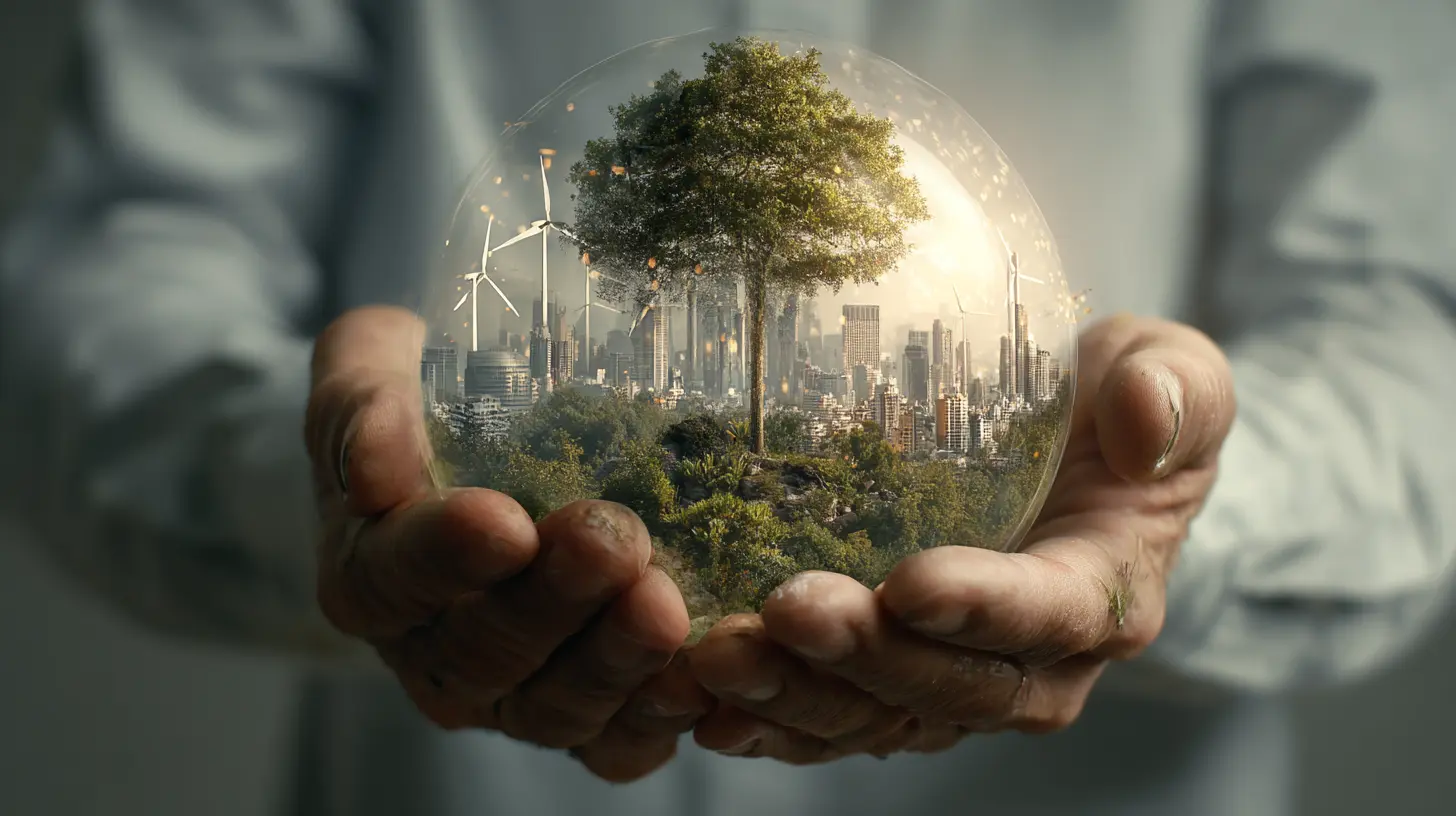
Remember the old days? You'd buy a server, rack it, run it until it screamed, then replace it with a bigger one. That's the IT equivalent of buying a new car every time you need an oil change. It's wasteful, expensive, and frankly, lazy.By 2026, that mentality is going extinct. We're moving toward what I call "infrastructure as a service, but smarter." Cloud providers like AWS, Azure, and Google Cloud are already pushing carbon-aware computing. They're shifting workloads to times and places where renewable energy is abundant. Think of it like running your laundry at night when electricity is cheaper, but on a global scale.
You'll see more companies adopting "right-sizing" as a religion. Instead of over-provisioning servers "just in case," they'll use AI-driven tools that predict demand down to the minute. No more idle servers sipping power for no reason. It's like turning off the lights when you leave a room, but your data center does it automatically.
And here's the kicker: hardware lifespans are stretching. Manufacturers are designing modular servers where you swap out a faulty drive or a cooling fan instead of tossing the whole unit. It's the IT version of repairing your jeans instead of buying new ones. By 2026, this won't be a nice-to-have-it'll be a procurement requirement.
The Rise of Green Coding
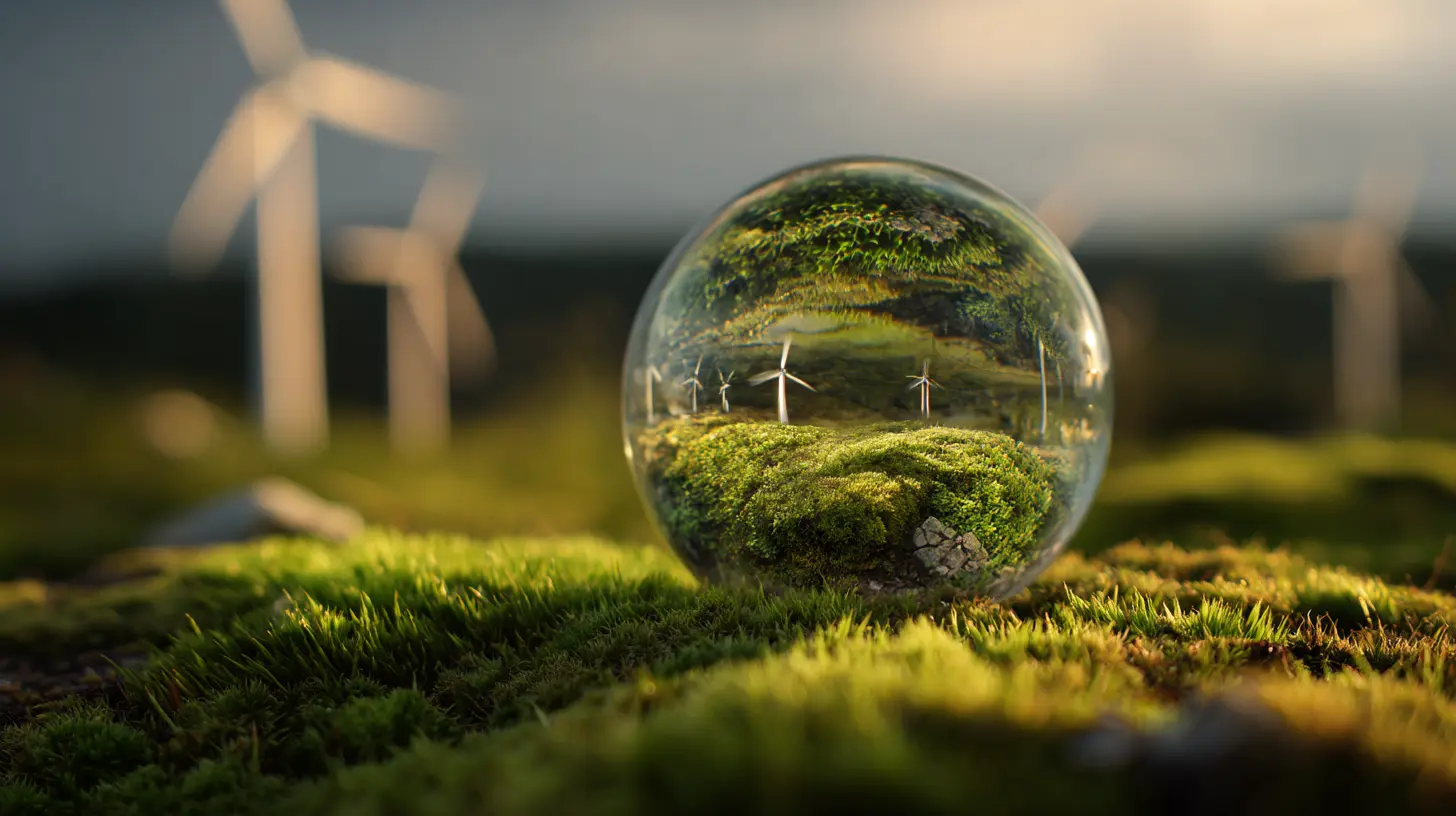
You've heard of "clean code," but have you heard of "green code"? It's not about making your code look pretty. It's about making it energy-efficient. Every line of code you write consumes electricity. A bloated algorithm running on a loop? That's a gas-guzzler. A streamlined function that does the same job in half the cycles? That's a Prius.By 2026, developers will be judged not just on performance and scalability, but on energy impact. We're already seeing tools like Intel's Energy Efficiency Profiler and Microsoft's Emissions Impact Dashboard. They measure how much carbon your code burns. Imagine a pull request that gets flagged because it's too power-hungry. That's coming.
This shift forces us to think differently. Instead of "make it work fast," we'll ask "make it work efficiently." It's like choosing a bicycle over a monster truck for a short trip. The destination is the same, but the cost-to the planet and your wallet-is vastly different.
For example, consider video streaming. Compressing a video file by 10% saves millions of kilowatt-hours globally. Netflix already does this. By 2026, every app will need to justify its data footprint. If your website loads an oversized image, that's a sustainability fail. Tools like WebP and AVIF aren't just for speed anymore-they're for the planet.
The Circular Economy Comes for Your Hardware
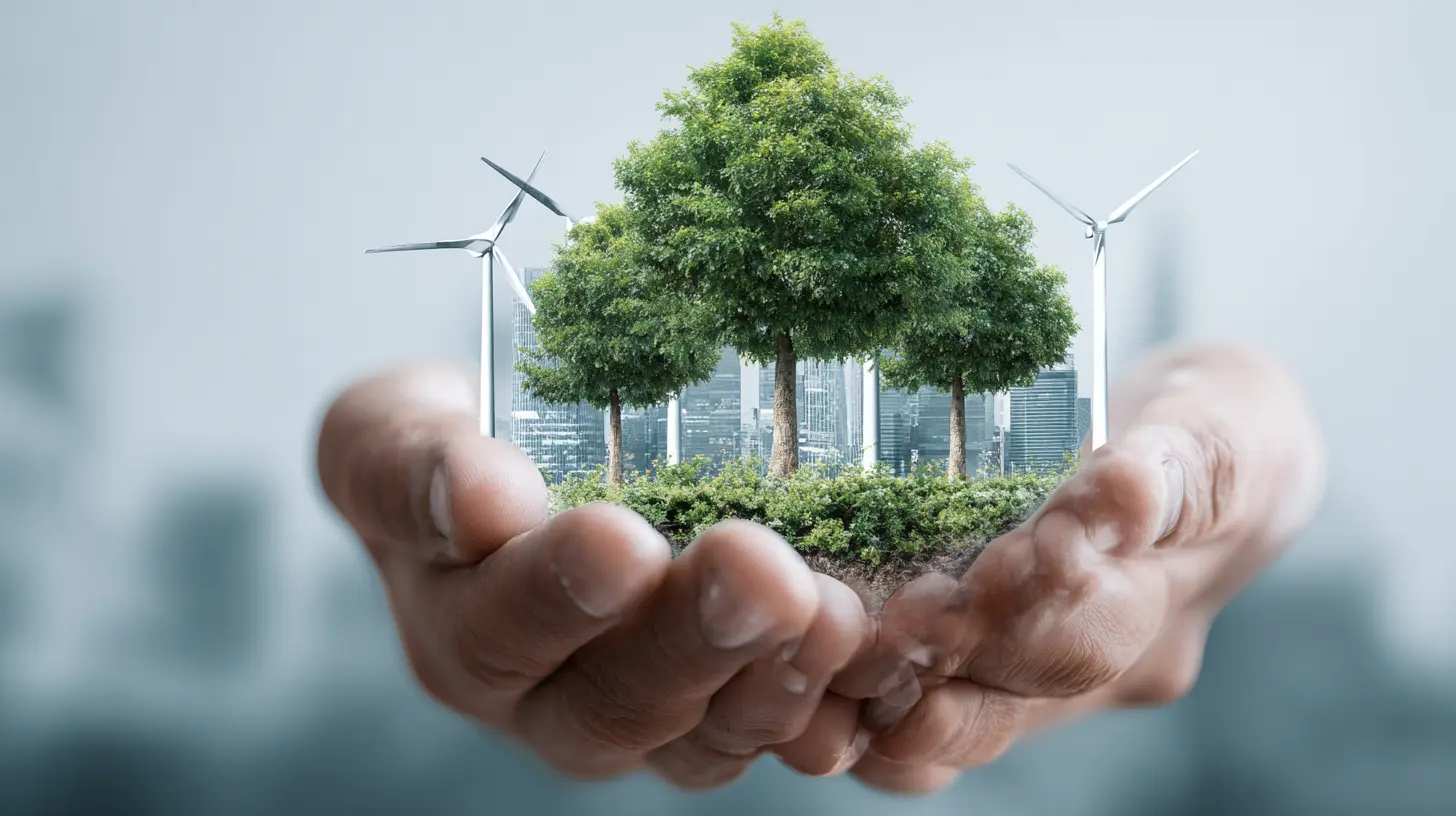
Let's talk about e-waste. You know that drawer full of old cables, dead phones, and forgotten hard drives? Yeah, that's a problem. Globally, we generate over 50 million tons of e-waste every year. By 2026, that number will be higher unless we change our habits.The good news? Manufacturers are waking up. Dell, HP, and Lenovo are designing laptops that are easier to repair, upgrade, and recycle. Screws instead of glue. Modular RAM and storage. Batteries you can swap without a soldering iron. It's like moving from a sealed iPhone to a Framework laptop-but across the entire industry.
Corporations will start treating hardware as a service. Instead of buying a fleet of laptops every three years, they'll lease them. The vendor handles maintenance, upgrades, and recycling. It's like leasing a car, but for your tech. This model reduces waste because the manufacturer has an incentive to build durable, repairable devices. They own the lifecycle, so they own the mess.
And here's the practical part: you'll see "digital passports" for hardware. A QR code on your server that tells you where every component came from, how much energy it consumed, and how to recycle it. Transparency will become a selling point. By 2026, if your supply chain isn't circular, you'll lose customers.
The Data Center Goes Dark
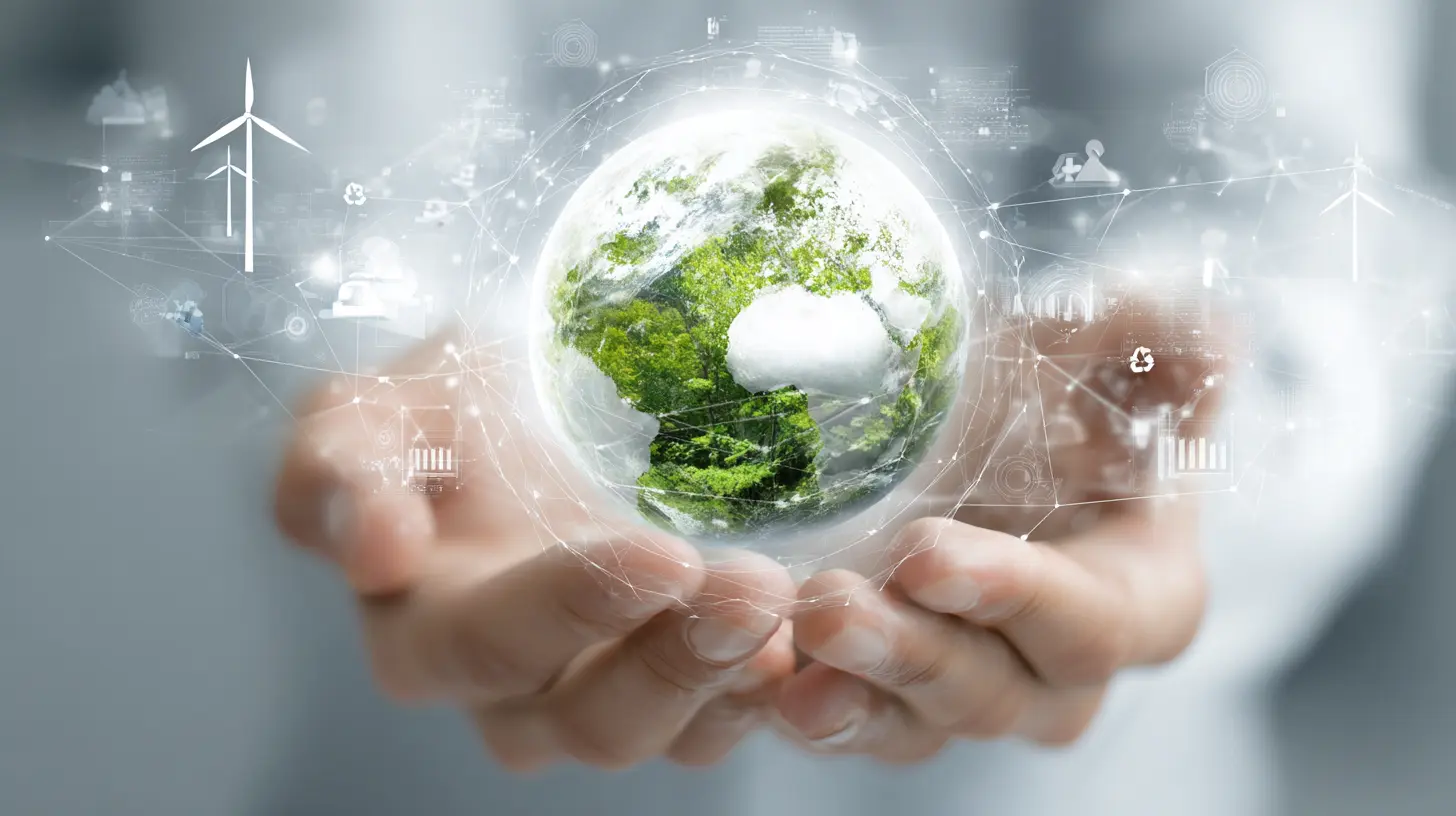
Data centers are the factories of the digital age, and they're loud, hot, and thirsty. They consume about 1% of global electricity-and that's growing. But by 2026, the most efficient data centers will be almost invisible. I'm talking about immersion cooling, where servers are dunked in non-conductive fluid. No fans, no noisy AC units, just silent, liquid-cooled computing.Microsoft is already testing underwater data centers. Google uses AI to optimize cooling. Facebook (sorry, Meta) runs its data centers on 100% renewable energy. These aren't experiments anymore-they're blueprints.
What's really interesting is the move toward "edge computing" as a sustainability play. Instead of sending every bit of data to a central mega-center, you process it locally. Think of a smart factory that analyzes sensor data on-site instead of phoning home. That reduces network traffic, lowers latency, and cuts energy use. It's like cooking dinner in your own kitchen instead of driving to a restaurant. Same result, less overhead.
By 2026, expect to see "carbon-aware" data centers that pause non-urgent tasks when the grid is dirty. Your nightly backup might wait until solar power peaks. Your software update could be delayed by an hour if it means using wind energy instead of coal. It's not sci-fi-it's already happening in parts of Europe.
The Employee as a Sustainability Agent
Here's the part that often gets overlooked: people. You can have the greenest data center on Earth, but if your employees leave their monitors on overnight or print 50 pages for a one-line email, you're wasting energy.By 2026, companies will gamify sustainability. Imagine a dashboard that shows your team's carbon footprint-how much energy your Zoom calls use, how many files you store in the cloud, how long your devices idle. It's like a Fitbit for your digital habits. And yes, there will be leaderboards. Healthy competition can drive real change.
I'm not talking about guilt-tripping. I'm talking about awareness. Most people don't realize that a single Google search uses about 0.3 watt-hours of energy. Multiply that by billions, and it adds up. Simple nudges-like defaulting to dark mode, setting auto-sleep timers, or using e-bikes for short commutes-can cut a company's IT energy bill by 20%.
Remote work also plays a role. By 2026, hybrid work is the norm, but it's not just about convenience. Fewer commutes mean fewer emissions. But remote work also shifts energy use from office buildings to homes. Companies will start subsidizing home energy audits or providing smart plugs that turn off peripherals when not in use. It's not charity-it's cost savings.
The Software That Watches Itself
Let's zoom out for a second. The biggest shift by 2026 isn't a single technology-it's a mindset. We're moving from "build it and forget it" to "build it and measure it." Sustainability metrics will be baked into every IT decision.You'll see tools like the Green Software Foundation's Carbon Aware SDK. It helps developers write code that automatically shifts workloads to low-carbon times. Imagine your batch processing job scheduling itself for 2 AM because that's when wind power is abundant. No human intervention needed.
This also applies to cloud storage. How many files do you have that you haven't touched in years? By 2026, AI will automatically archive "cold" data to energy-efficient storage. It's like cleaning out your closet, but the AI does it for you. You won't even notice, except your cloud bill will shrink.
And here's the big one: AI itself will become a sustainability tool. Machine learning models can optimize supply chains, predict energy demand, and reduce waste. But training those models is energy-intensive. By 2026, we'll see "green AI" practices-using smaller, more efficient models, or training once and reusing the results. It's the difference between building a new engine every time you need a ride and tuning the one you already have.
Why This Matters to You
I know what you're thinking: "This sounds great, but I'm just one person. Can I really make a difference?" Yes, and here's why.By 2026, sustainable IT won't be optional. Regulations like the EU's Corporate Sustainability Reporting Directive will force companies to disclose their carbon footprint. Investors will penalize laggards. Customers will vote with their wallets. If you're in IT, you're on the front line. You can either be a hero or a dinosaur.
Start small. Audit your own workflow. Do you really need that 4K video call? Can you compress your files? Can you extend the life of your laptop by upgrading the RAM instead of buying a new one? These micro-decisions add up.
And don't underestimate the power of asking questions. When your vendor pitches a new server, ask about its energy efficiency. When your cloud provider sends a bill, look at the carbon emissions report. Make sustainability a procurement criterion. You'd be surprised how fast vendors adapt when customers demand it.
The Bottom Line
Sustainable IT by 2026 isn't about sacrificing performance or convenience. It's about being smarter. It's about using less to do more. It's about designing systems that don't just work well but work efficiently. And it's about realizing that every byte you move, every watt you consume, and every device you buy has a cost-not just in dollars, but in the world we leave behind.So, here's my challenge to you: before you close this tab, pick one thing. Maybe it's switching your email client to dark mode. Maybe it's uninstalling apps you don't use. Maybe it's scheduling a meeting with your IT team to talk about power management. Whatever it is, do it today. Because by 2026, those who wait will be playing catch-up. And those who act now? They'll be the ones shaping the future.
all images in this post were generated using AI tools
Category:
Information TechnologyAuthor:

Reese McQuillan
Discussion
rate this article
2 comments
Fay Webster
What an exciting read! Sustainable IT is not just a trend but a game changer for our planet. It's uplifting to see how technology can evolve responsibly. I can't wait to see which innovative practices will take center stage by 2026. Here's to a greener future!
June 16, 2026 at 10:46 AM
Reese McQuillan
Thanks for your thoughts! I'm excited about the potential for sustainable IT to make a real impact. Let's see what innovations unfold by 2026. Here's to progress!
Landon McAuley
Innovative ideas for a greener tech future!
May 6, 2026 at 11:56 AM
Reese McQuillan
Thanks for your enthusiasm! Excited to see how these ideas shape our future.