The Future of Autonomous Vehicles: Beyond the Road
10 May 2026
Let’s face it—it’s an exciting time in the world of transportation. Self-driving cars aren’t just science fiction anymore. They’re real, they’re evolving fast, and they’re hitting the road. But what if I told you the future of autonomous vehicles (AVs) isn’t limited to highways or city streets? What if we dared to peek beyond the road?
Yep, we’re talking about a future where AVs are not just about getting us from point A to B on four wheels. We’re diving into how this technology is transforming industries, reshaping cities, and even taking off into the skies. Buckle up—this ride goes far beyond traffic signals and GPS routes.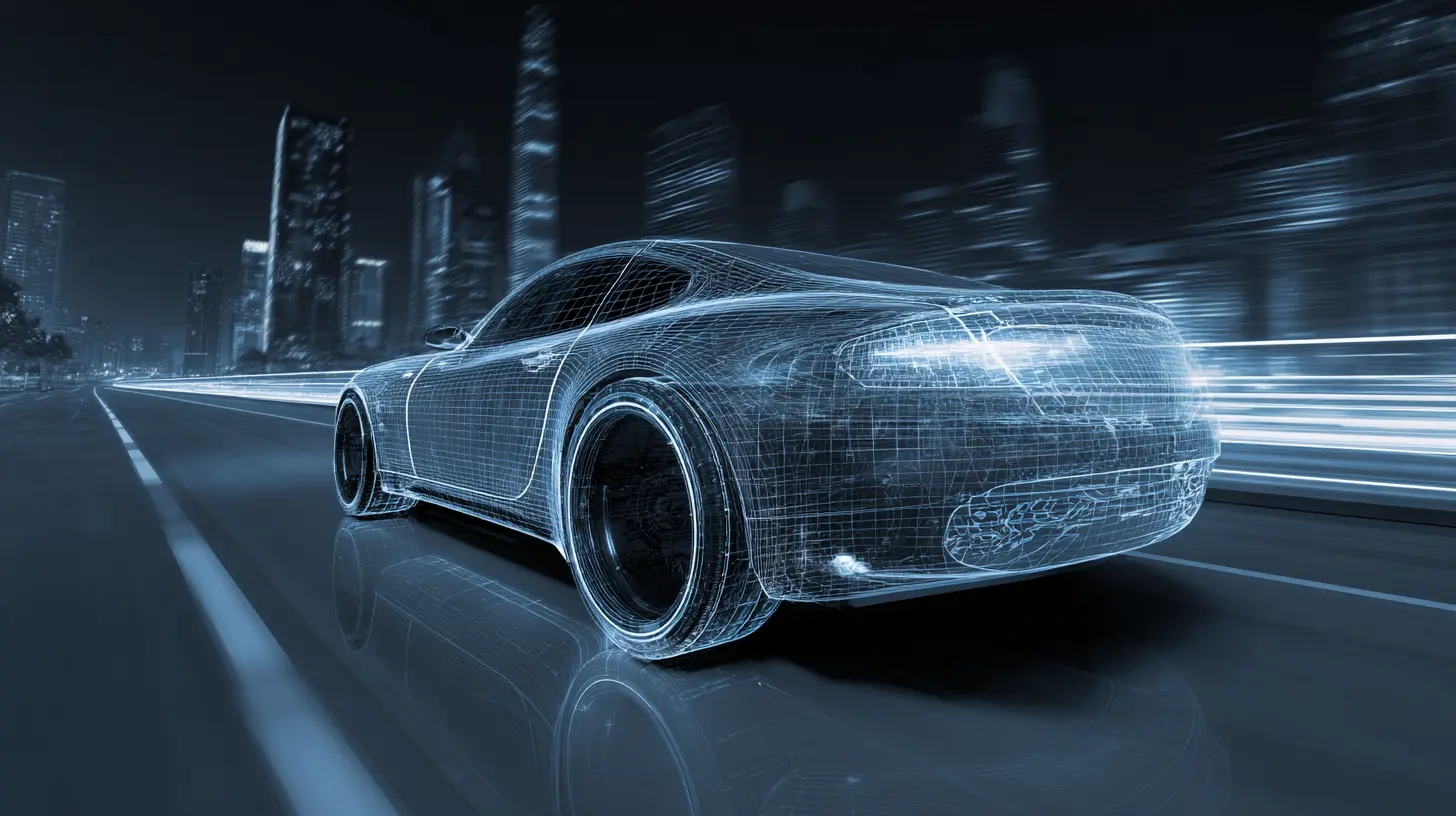
The Current State of Autonomous Vehicles
Before we zoom into the future, let’s make a pit stop in the present.Right now, several companies—like Tesla, Waymo, Cruise, and Argo AI—are testing and gradually rolling out self-driving vehicles. Most of these are in urban environments, where AVs can ferry people around in ride-shares or transport goods in delivery vans.
But even with all these advancements, we’re still in the early innings. Most AVs still require a “safety driver” on standby, and there’s a ton of regulatory red tape to cut through before we see full self-driving cars rolled out everywhere.
So where do we go from here?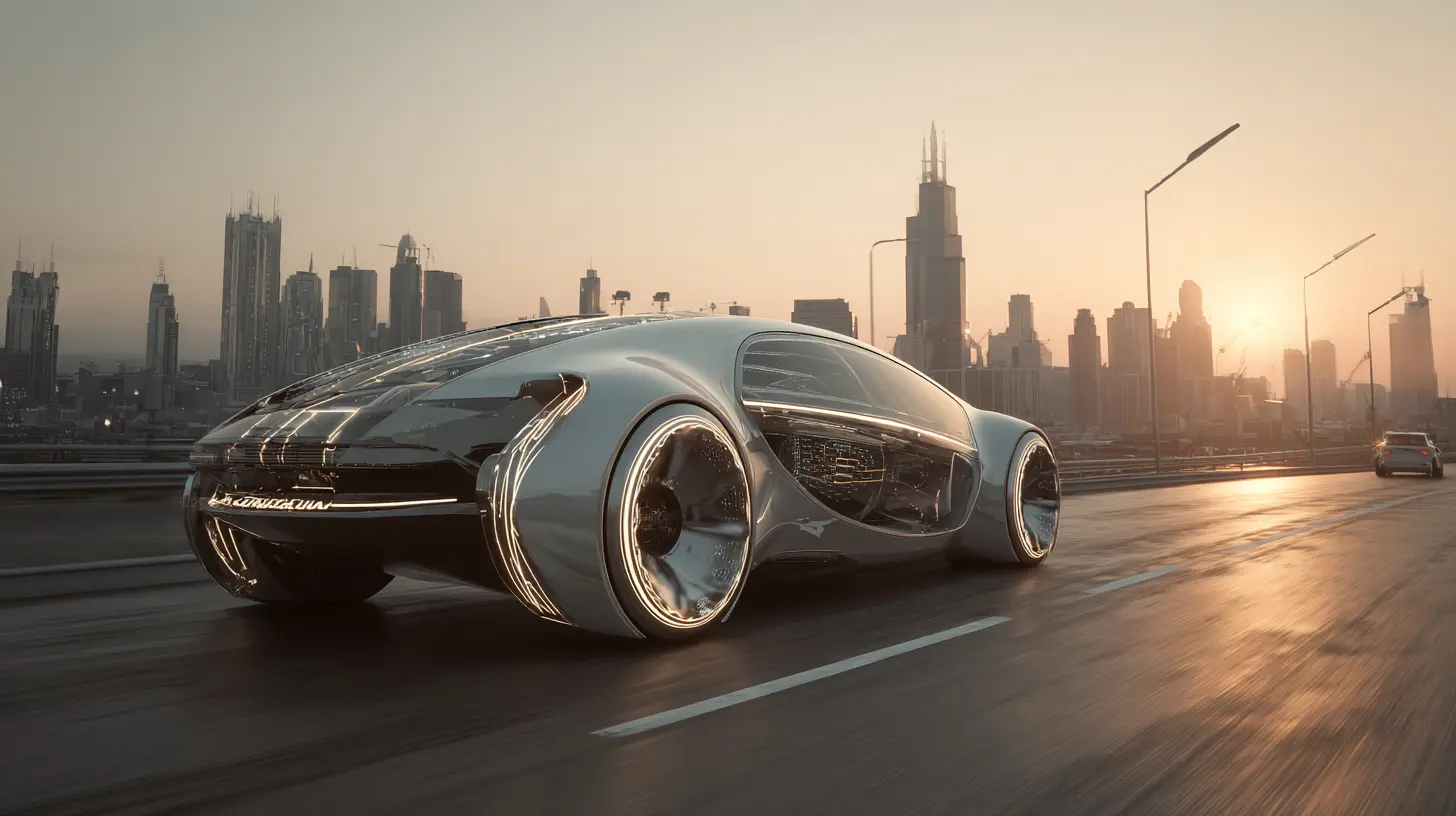
Beyond the Steering Wheel: A World Without Drivers
Imagine this—no more steering wheels, brakes, or accelerators. Just a sleek, pod-like vehicle you hop into, tell where to go, and off it goes. Sounds wild, right?But think about the ripple effect. When you remove the need for a human driver, everything about transportation changes:
- Commutes become productive—you could nap, work, or watch your favorite show.
- Road safety skyrockets—most accidents are caused by human error.
- Mobility becomes inclusive—think elderly folks or people with disabilities.
This isn’t just a dream. This is what’s on the horizon, and it’s coming faster than you think.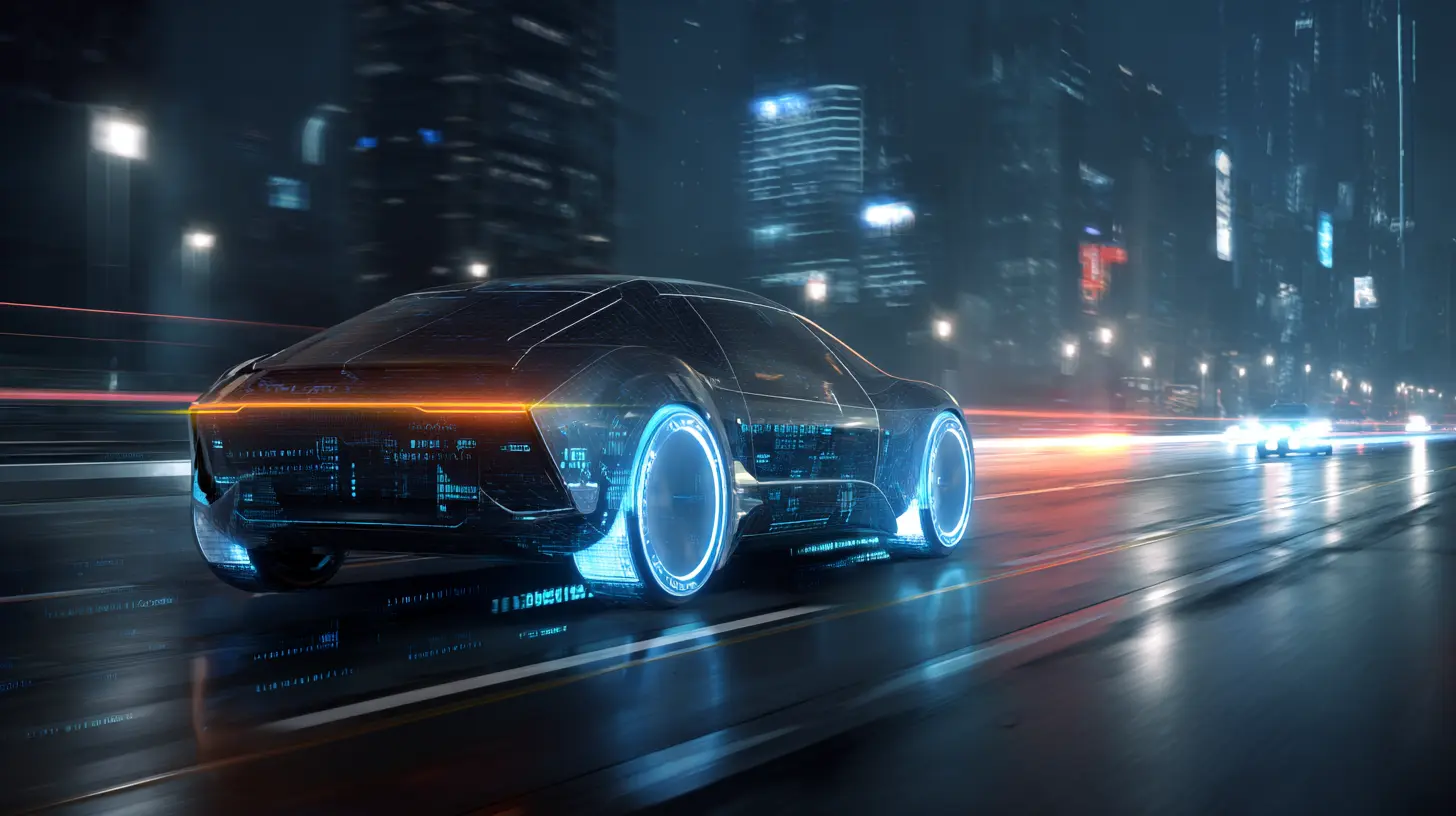
The Tech Powering the AV Revolution
So, how do these AVs even work?It all boils down to a magical mix of:
- LiDAR and radar sensors
- High-definition cameras
- GPS and real-time mapping
- Machine learning and AI
These vehicles are basically data-crunching supercomputers on wheels. They’re constantly scanning their environment, predicting possible outcomes, and making split-second decisions—all while cruising at 60 mph.
And as the tech continues to evolve, we’ll begin to see AVs doing much more than just taxiing people around.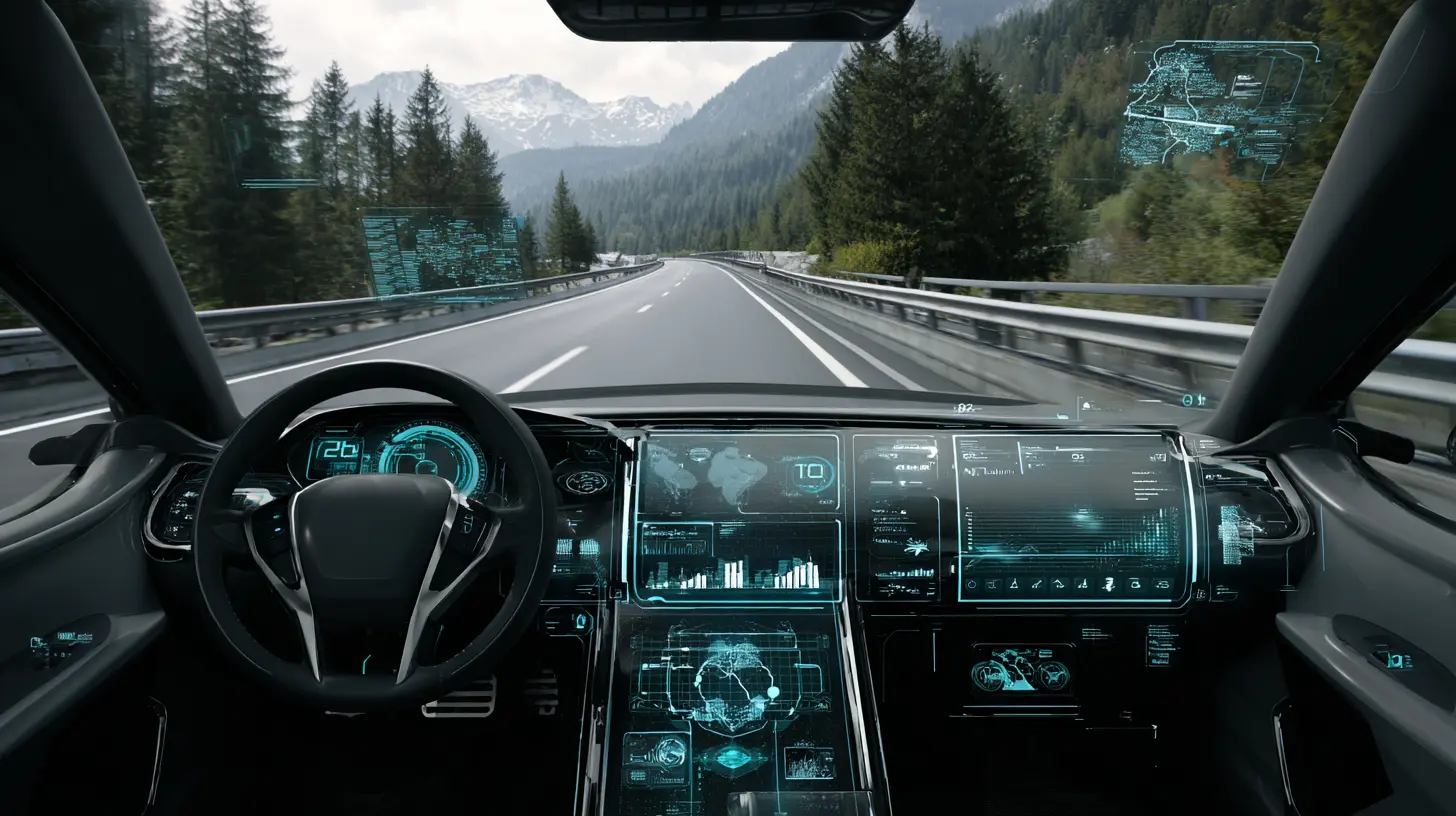
Logistics and Delivery: The Roads Are Just the Beginning
Autonomous delivery robots and drones are already shaking up logistics. Companies like Amazon, FedEx, and Nuro are piloting small, unmanned vehicles that deliver groceries, meals, and packages straight to your doorstep.It’s more than just convenient—it could revolutionize supply chains:
- 24/7 operations (no more “out for delivery” delays)
- Lower costs (no need to pay drivers)
- Reduced emissions (with electric AVs)
Pretty soon, your package might show up with no human in sight—just a friendly little robot rolling up your driveway.
Aviation Takes Flight: Autonomous Air Taxis and Cargo
Now here’s where it really gets wild.Autonomous vehicles aren't just sticking to the streets. The skies are calling, and companies are listening.
Enter autonomous air taxis and drone delivery aircraft, like those being tested by Joby Aviation, EHang, and Volocopter. These aren’t just fancy tech toys—they’re the next leap in urban mobility.
Think Uber, but in the sky.
- No traffic jams
- Faster commutes
- Cleaner transportation
And it’s not just people—autonomous aircraft are also being used for emergency supplies, medical transport, and aerial inspections. Yep, drones might be saving lives, not just delivering pizza.
Public Transit Gets a Robotic Makeover
Buses and trains could be the next to go fully autonomous. It’s already happening in cities like Singapore and Helsinki, where pilot programs are testing driverless shuttles on fixed routes.Just picture it: a seamless, efficient, always-on public transit system that doesn’t rely on human schedules or breaks. It’s the kind of system that could drastically reduce traffic snarls and make commuting way less of a headache.
Plus, integrating AVs into public transit could help fill the “last mile” gap—those tricky final stretches from a station to your destination.
Farming and Construction: Off-Road, All Business
Self-driving tech isn’t just about urban convenience—it’s also changing how we build and grow things.In agriculture, autonomous tractors and harvesters are already plowing through fields, using GPS, sensors, and AI to plant, water, and harvest with surgical precision.
And in construction, driverless bulldozers and dump trucks are moving dirt and materials around massive job sites—all autonomously.
These machines are doing the dirty, dangerous work and doing it with more accuracy and efficiency than ever before. It’s automation with boots in the mud.
The Role of AI: The Unsung Hero of AVs
Let’s not forget the brains behind it all—artificial intelligence.AI doesn’t just help AVs see the world—it helps them understand it. From recognizing pedestrians to predicting traffic patterns, AI is guiding decisions that need to be made in milliseconds.
And as AI gets smarter, AVs will too.
That means better navigation, safer responses to unpredictable situations, and a smoother, more human-like driving experience. It’s like giving your car a brain, eyes, and reflexes.
The Ethical and Legal Hurdles
Of course, it’s not all smooth cruising. We’ve got some bumps in the road.There are big questions we still need to answer:
- Who’s responsible in a crash—manufacturer or owner?
- How do we program AVs for ethical decision-making?
- What about cybersecurity and data privacy?
These aren’t just tiny speed bumps—they're massive roadblocks. But they’re not impossible. With clear regulations, transparent tech development, and public trust, we can steer through them together.
Cities of the Future: Built for AVs
Here’s a thought—what if our cities themselves changed because of AVs?No more sprawling parking lots or jam-packed streets. Instead, think:
- Wider sidewalks for people, not cars
- Fewer parking garages, more green spaces
- Smart traffic lights and infrastructure that “talks” to AVs
AVs could completely flip how we design and live in our cities. Streets could feel more like communities instead of concrete jungles. That’s a future worth driving towards.
Jobs and Economy: A Changing Landscape
We can’t ignore the elephant in the room—jobs.Truck drivers, taxi drivers, delivery folks—millions of people depend on driving for a living. As AVs grow, there’s valid concern about what happens next.
But like all disruptive tech, this could also mean new jobs are born: AV technicians, AI ethicists, sensor specialists, and more. The key will be retraining, upskilling, and making sure no one gets left behind.
We’ve been through tech revolutions before. We’ll adapt. We always do.
Going Green with Autonomous Vehicles
Another big win for AVs? Sustainability.Most AVs are electric. Combine that with smarter route planning and fewer idling engines, and suddenly, we’re looking at major reductions in carbon emissions.
In cities choked by smog and noise, AVs could be the quiet, clean answer we’ve been waiting for. It’s not just about going driverless—it’s about going greener.
What’s Next? The Road Ahead
So, what does the future look like?Here's a glimpse:
- Robo-taxis as common as Ubers
- Pilotless air taxis zipping over cityscapes
- Fully autonomous delivery systems
- Cities redesigned around AVs
- AI-powered mobility for everyone
It might sound far-fetched now, but remember—20 years ago, smartphones were just clunky bricks. Now we carry supercomputers in our pockets.
The transformation is already in motion. We’re not just watching history—we’re steering it.
Final Thoughts: A World in Motion
Autonomous vehicles are more than just a trend—they’re a revolution on wheels (and wings). They promise to reshape how we live, work, move, and interact with our world.Sure, there are challenges. But there’s also immense potential—for safer roads, cleaner skies, smarter cities, and better lives.
The journey won’t be perfect. No road ever is. But if we stay curious, stay informed, and drive forward with care, we’re going to arrive at something amazing—together.
So, are you ready to let go of the wheel and see what lies beyond the road?
all images in this post were generated using AI tools
Category:
Future TechAuthor:

Reese McQuillan
Discussion
rate this article
1 comments
Gabrielle Martinez
Exciting insights into autonomous vehicles! The future looks promising and full of possibilities.
May 16, 2026 at 12:45 PM