The Future of Video Editing: What’s Next for Creators?
26 July 2026
Video editing has come a long way from the days when you needed a room full of expensive hardware just to cut a 5-minute clip. Now, with powerful software, AI enhancements, and cloud-based solutions, even your grandma could put together a cinematic masterpiece (if she could figure out where the export button is).
But what’s next? Will video editors be replaced by AI? Will holographic editing become a thing? Will we finally get an undo button for real-life mistakes? Let’s dive into the future of video editing and see what’s in store for creators. 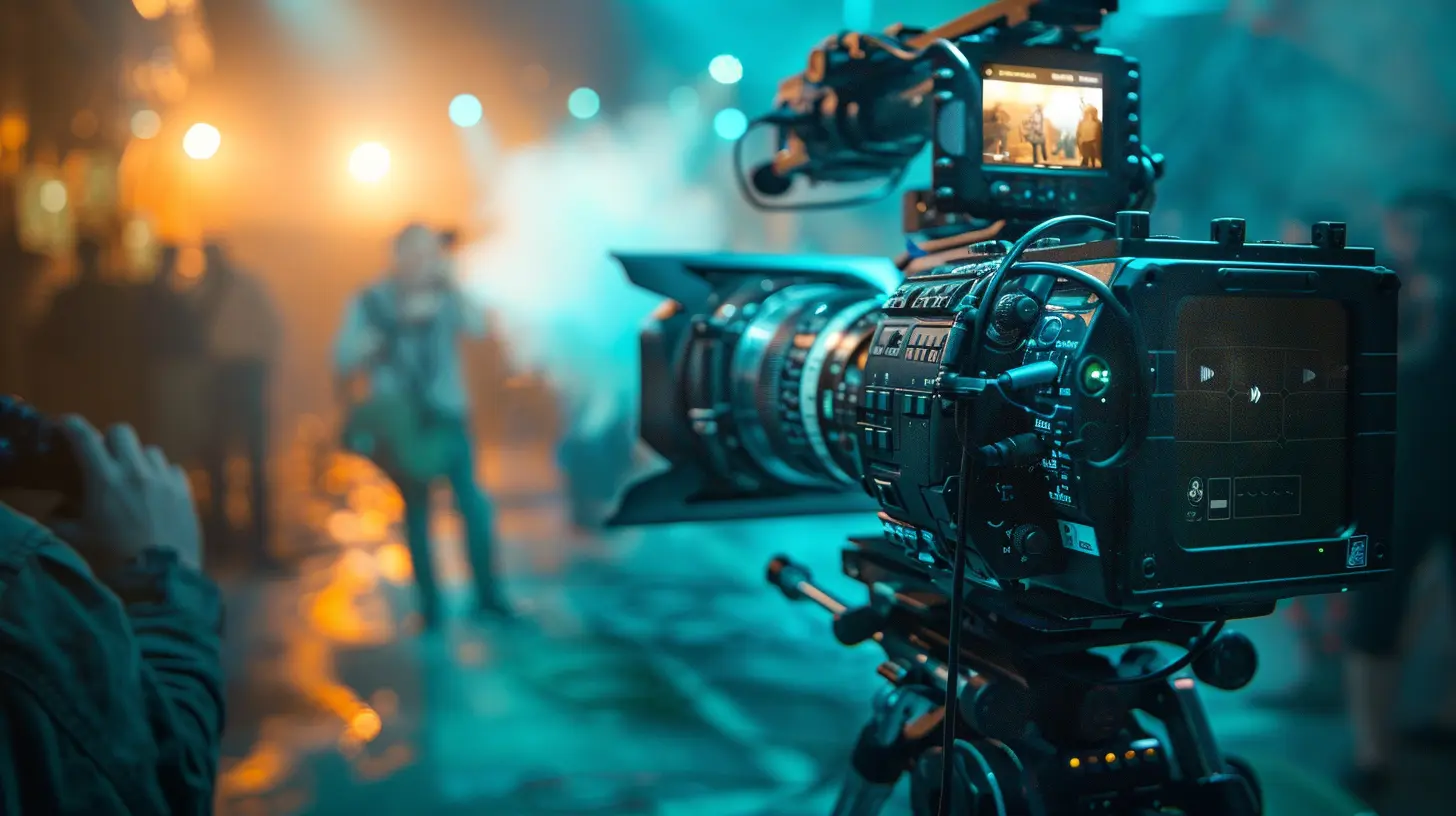
1. AI-Powered Editing: Your New Best Friend (or Worst Enemy?)
Remember the days of painstakingly cutting hours of footage, tweaking every tiny detail, and manually color-grading like your life depended on it? Well, AI is coming for your job...or maybe just making it a lot easier.Automated Editing – Lazy or Genius?
AI tools can now analyze footage, detect key moments, and even put together a coherent edit—without human input. Tools like Adobe Sensei and Runway ML are already doing this, helping creators cut down editing time significantly.But does this mean we’ll lose creative control? Not necessarily. AI can handle the grunt work while leaving room for human creativity. Think of it like having an assistant who does all the boring stuff while you focus on making things look awesome.
AI-Generated Effects and Enhancements
From auto-color correction to deepfake-level face replacements, AI is revolutionizing how we enhance videos. Gone are the days of adjusting exposure settings manually for hours—AI can now do it instantly (and probably better).However, there’s a fine line between enhancement and automation. Do we really want AI to start making creative decisions for us? Or will it just spawn a new wave of AI-generated TikTok influencers? (Spoiler: That’s already happening.) 
2. Cloud-Based Editing: Work from Anywhere, Literally
No more lugging around external hard drives like it's 2005. The cloud is taking over, and video editing is benefiting big time.Collaboration Just Got a Lot Easier
Remember that one time your hard drive crashed, and you lost everything? (We’ve all been there.) With cloud-based editing, your files are stored safely online, meaning you can work from anywhere and collaborate with people across the world in real time.Google Drive and Dropbox were just the beginning—now, platforms like Frame.io and Blackmagic Cloud are making cloud-based video editing seamless. Expect this trend to grow, eliminating the need for expensive workstations.
Rendering in the Cloud: No More Waiting
Rendering a large project sometimes feels like watching paint dry. But with cloud rendering, you won’t have to worry about frying your laptop while waiting for a video to export. Cloud-based platforms will handle all the heavy lifting, making high-end video production more accessible to everyone.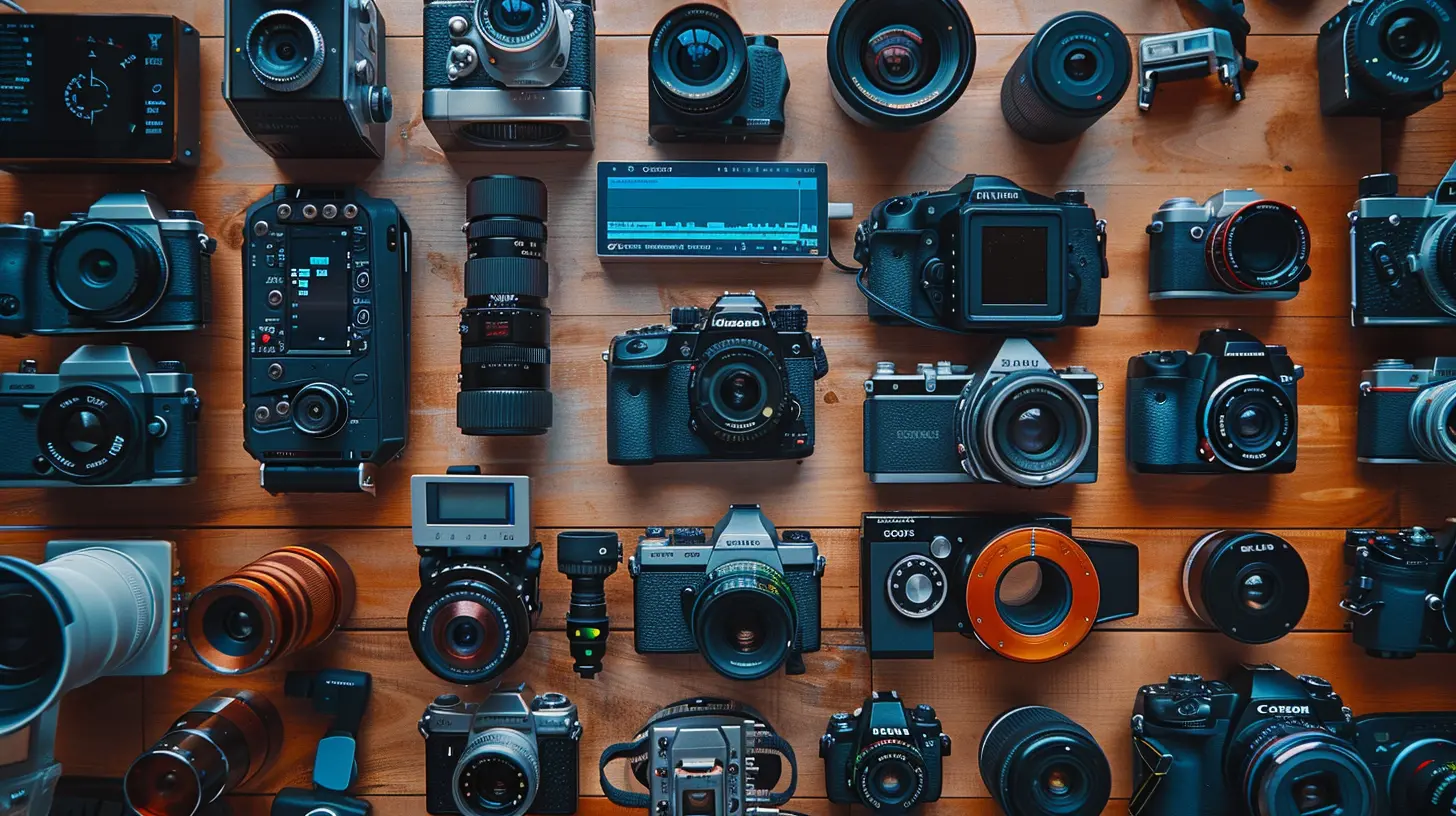
3. The Rise of 8K (And Beyond?)
Remember when 1080p was the holy grail of video quality? Then 4K came along and made it look like amateur hour. Now, 8K is knocking at the door, and soon enough, even that will be outdated.Do We Really Need 8K?
Most people still struggle to stream 4K content without buffering every 10 seconds. So why push for 8K? The truth is, higher resolutions give editors more room to crop, stabilize, and adjust footage without losing quality.Will your audience notice the difference? Probably not unless they’re watching on a wall-sized TV. But for professionals working on high-budget productions, 8K (and beyond) will soon become standard.
Hardware Demands: A Nightmare for Editors?
Higher resolutions mean bigger files, longer rendering times, and more pressure on your already-overworked computer. Until cloud-based editing becomes the norm, be prepared to hear your fans screaming as if your laptop is about to take off.
4. VR and AR Editing: The Next Frontier?
Virtual Reality (VR) and Augmented Reality (AR) are no longer just sci-fi gimmicks. They’re making their way into video production, and the possibilities are mind-blowing.Editing in a 3D Space
Imagine putting on a VR headset and literally grabbing clips to arrange them on a timeline. Sounds like something out of a futuristic movie, but it’s already happening with tools like Adobe’s experimental Project CloverVR.AR Overlays in Real-Time Editing
Augmented Reality could let editors see effects in real-time without needing multiple renders. Imagine being able to place a CGI character in a scene and see how it interacts with real-world elements instantly. Talk about a game-changer!Of course, the tech is still in its early days, but we’re heading towards a future where editing in a fully immersive 3D space might become the norm.
5. Mobile Editing: Will Laptops Become Obsolete?
Not long ago, editing videos on your phone was a laughable concept. But with apps like LumaFusion, Adobe Premiere Rush, and VN Video Editor, smartphones are getting dangerously close to replacing traditional editing setups.Touchscreen Editing: The Future of Workflows?
With touch-based interfaces and stylus precision improving every year, editing on a mobile device isn’t just convenient—it’s becoming practical. You can now shoot, edit, and upload professional-grade videos without ever touching a computer.Will Mobile Replace Desktop Editing?
For casual creators and social media influencers, probably yes. But for filmmakers working on high-end projects? Not anytime soon. Mobile editing is great for quick cuts and on-the-go adjustments, but when it comes to complex video production, desktops still reign supreme.6. The Death of Traditional Editing Software?
For years, industry giants like Adobe Premiere Pro, Final Cut Pro, and DaVinci Resolve have dominated the editing world. But with AI-driven tools, cloud-based solutions, and mobile editing on the rise, could traditional editing suites become obsolete?Subscription Fatigue: A Push for Alternatives
Many creators are frustrated with monthly subscription models. This has led to a rise in open-source and one-time purchase alternatives like DaVinci Resolve and CapCut, proving that users are willing to seek out alternatives if it means avoiding a lifetime of subscription fees.Drag-and-Drop Simplicity vs. Traditional Control
AI-powered editors and template-based apps are making video editing easier than ever. But true professionals will always need precise controls and flexibility—something traditional software still excels at. The real challenge for the industry is finding a middle ground between automation and customization.Final Thoughts: What’s Next for Video Editing?
The future of video editing is shaping up to be wild. AI is automating workflows, cloud-based editing is making collaboration easier, VR is redefining how we interact with footage, and mobile devices are challenging the dominance of desktop software.Will video editors become obsolete? Not likely. No matter how advanced technology gets, creativity and storytelling can’t be replaced by AI (at least, not yet). Instead, these new tools will help creators work faster, smarter, and with more creative freedom than ever before.
So, whether you’re an aspiring YouTuber or a Hollywood filmmaker, buckle up—because the future of video editing is just getting started.
all images in this post were generated using AI tools
Category:
Video Editing ToolsAuthor:

Reese McQuillan