The Future of Work: Embracing Automation in the Workplace
7 December 2025
Let’s be real—automation isn’t going anywhere. In fact, it’s only getting smarter. We’ve all heard whispers (or loud debates) about machines taking over jobs, robots replacing humans, or AI ruling the world. But what if we looked at it differently? What if, instead of fearing automation, we made it our sidekick?
In this ever-evolving digital world, automation is not just a buzzword—it's a game-changer. So grab your coffee, settle in, and let’s unpack what the future of work really looks like when automation joins the team.
What Is Automation Anyway?
Before we dive deep, let’s break it down. Automation is basically when machines or software do tasks that humans would normally handle. Think about those self-checkout kiosks at the grocery store or that chatbot that answers your questions on customer support websites at 2 AM when no human is awake.Automation comes in many flavors—from physical robots on factory floors to AI algorithms that filter resumes. It's not just about replacing people; it's about making processes smoother, faster, and often, way more efficient.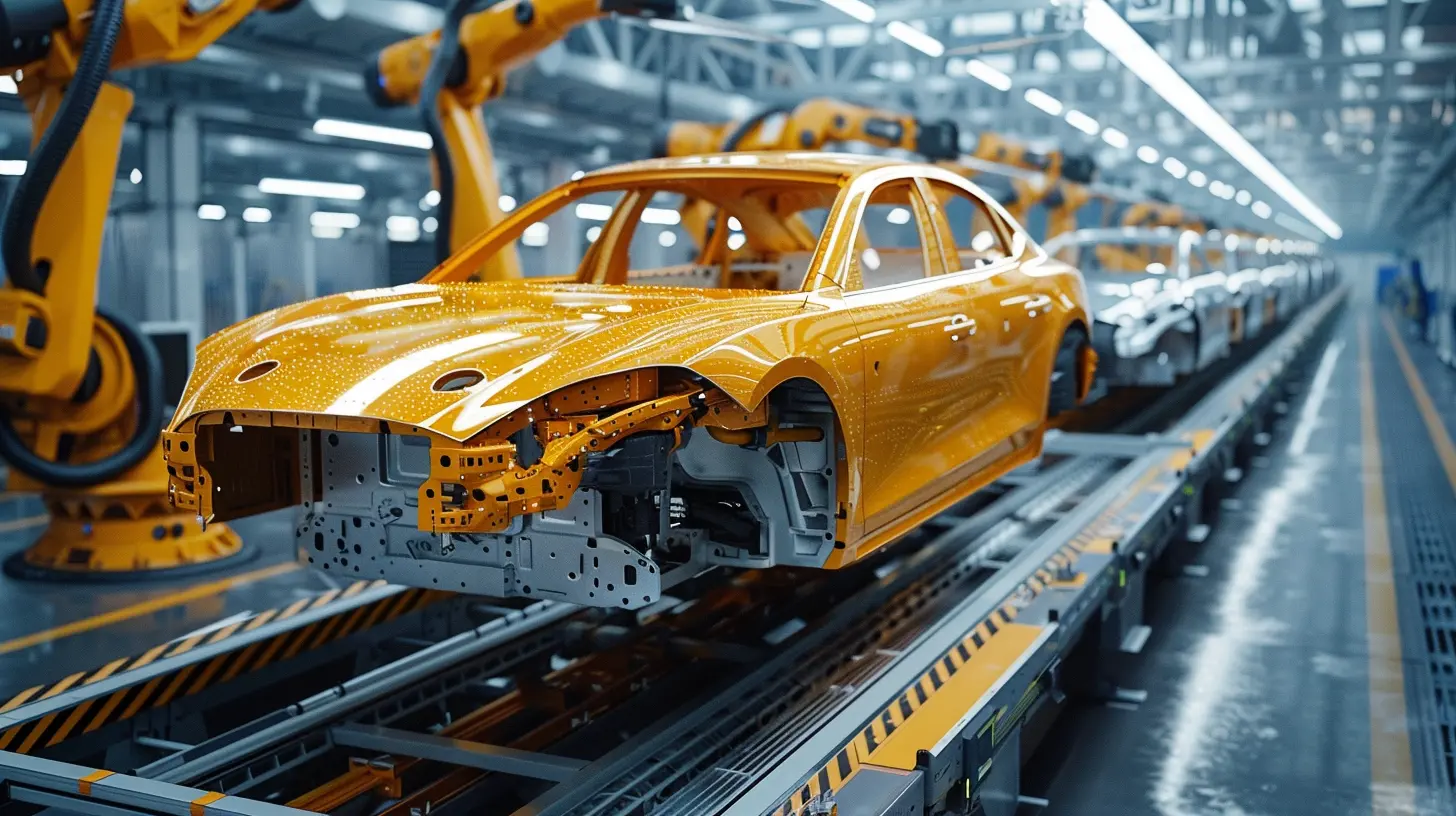
Why Automation Isn’t the Villain (Despite What Sci-Fi Says)
Okay, picture this: You have a mountain of repetitive tasks every day—responding to the same emails, sorting documents, manually updating spreadsheets. Now imagine a tool that can take all that off your plate. That’s automation. It’s like having a super assistant who never sleeps or complains.Sure, automation will change how some jobs are done. But that doesn’t mean it will eliminate all work. Actually, it often creates new opportunities. While machines might handle the grunt work, humans can focus on the creative, strategic, and emotionally intelligent tasks.
In other words, robots might take your spreadsheet, but they won’t take your soul.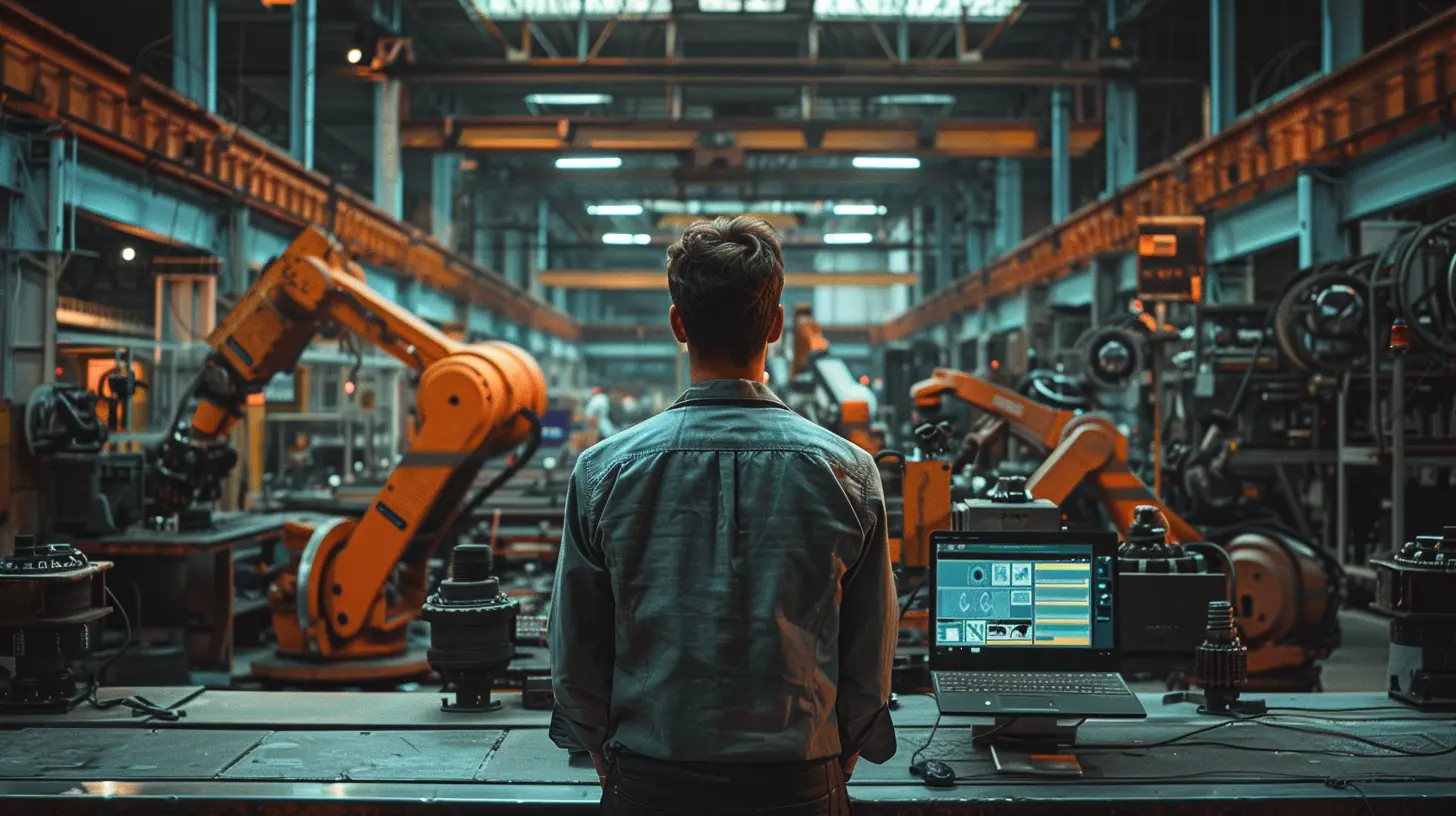
The Key Benefits of Embracing Automation
So, why should we warm up to the idea of automation in the workplace? Let’s break down the perks:1. Increased Productivity
Machines don’t get tired. They don’t take lunch breaks or mental health days. With automation, tasks get done around the clock, boosting productivity without burning out employees.Imagine having your reports generated overnight while you sleep like a baby. That’s not magic. That’s automation.
2. Improved Accuracy
Let’s face it, we humans can be a little... messy. Typos, missed steps, forgotten tasks—they happen. But machines? They’re precise. They follow instructions to the letter, reducing human error in processes like data entry, finance, and logistics.3. Cost Savings
Yeah, there’s an upfront investment in tech, but long term? Huge savings. Companies can reallocate human talent to high-value activities and let automation handle the repetitive, low-value stuff.It’s like trading in a bicycle for a Tesla. Faster, smarter, and more energy-efficient.
4. Greater Scalability
Have a sudden surge in customer service chats or product orders? Automation scales effortlessly. Human teams might need hiring and training, but software can ramp up in minutes. This is a lifesaver for growing businesses.
But Wait… What About the Jobs?
Ah yes, the million-dollar question. Will automation take away jobs?Short answer: Some, yes. But that’s only half the story.
Think about it this way. When ATMs appeared, people thought bank tellers were done for. In reality, banks hired more people to focus on customer service and financial advice. The job changed—it didn’t vanish.
The more automation there is, the more we need humans to manage, design, and improve those systems. Plus, entirely new job titles pop up. Ten years ago, nobody was hiring “AI trainers” or “drone traffic coordinators.” Fast forward, and those roles are real—and growing!
So rather than resisting change, it's smarter to adapt to it.
How to Prepare for an Automated World
Survival of the fittest doesn’t mean being the strongest—it means being the most adaptable. Here's how you can stay ahead of the curve.1. Upgrade Your Skills
This one’s a no-brainer. Learn things that machines can’t easily replicate—like critical thinking, emotional intelligence, creativity, and leadership. Want a bonus tip? Get friendly with data. Understanding how to analyze and interpret it is a killer skill in any industry now.Also, learning to work with automation tools (like RPA or AI platforms) rather than fearing them makes you way more valuable.
2. Stay Curious
Change can be scary, but curiosity is your secret weapon. Ask questions. Try new tools. Sneak into webinars and online courses. The more you know, the less fearful you become.3. Focus on What Makes You Human
Machines don’t have empathy. They can’t motivate a team or understand nuanced emotions. That’s your superpower. So jobs that require those skills—like healthcare, counseling, marketing, and leadership—are future-proof (for now, at least).4. Embrace Lifelong Learning
The education system used to tell us, “Learn this, and you’re set for life.” Not anymore. The rules are constantly changing. So you’ve got to commit to learning—not just once, but forever.Apps like Coursera, Udemy, and LinkedIn Learning make this easier than ever. You can even learn while binge-watching Netflix (well, almost).
Real-Life Examples of Automation at Work
Alright, enough theory. Let’s see some real-world action.Example 1: Healthcare Automation
Ever seen a hospital robot deliver meds? Or AI detect anomalies in X-rays faster than doctors? That’s automation saving lives.But guess what? Doctors and nurses are still there—because you can’t automate compassion or bedside manner.
Example 2: Retail & E-Commerce
From chatbots answering customer FAQs to AI suggesting outfits based on your past purchases—retail’s gone digital. But behind the scenes, humans still handle design, branding, and tricky customer concerns.Example 3: Manufacturing
Machines have done the heavy lifting in factories for decades. But now, smart sensors and IoT are improving safety, reducing waste, and helping humans make better decisions.No, they haven’t replaced people—they’ve just given them superpowers.
Automation and Small Businesses: Not Just for the Big Guys
Think automation is only for tech giants with bottomless budgets? Think again.Plenty of small businesses are leveraging automation in clever ways:
- Scheduling social media posts with tools like Buffer or Hootsuite
- Using CRMs like HubSpot to automate customer follow-ups
- Employing chatbots for basic support
It’s about working smarter, not harder. And in small teams, that can mean the difference between scaling up and burning out.
Common Myths About Automation (And Why They’re Wrong)
Let’s bust a few myths while we’re here.“Automation Will Replace Every Job.”
Nope. Some jobs will be transformed, others created, and yes, a few might disappear. But full replacement? Not happening anytime soon.“Only Tech People Need to Worry About It.”
Wrong again. Automation touches every industry—from farming to finance to fashion. Whether you're a yoga instructor or a truck driver, it’s wise to keep an eye on tech trends.“It’s Too Expensive for Small Businesses.”
Automation tools are more accessible than ever. Many have free or affordable tiers and are built specifically with small businesses in mind.“Once It’s Set Up, It Runs Itself Forever.”
Sounds great, but nope. Automation still needs monitoring, tweaking, and sometimes a good old-fashioned reboot. You’ve got to stay involved.The Human Side of Automation
Let’s not forget the reason why we’re automating things in the first place: to make life better. When done right, automation frees up time, reduces stress, and lets people focus on what they actually enjoy doing.It’s less about replacing people and more about enhancing their capabilities. Like Iron Man’s suit—it doesn’t do the job for him, it makes him better at being him.
Wrapping It Up: The Future Is Not Scary, It’s Exciting
So here we are. Automation is changing the workplace—fast. But it’s not about doom and gloom. It’s about evolution, adaptation, and yes, a little bit of excitement.Whether you’re an employee, a boss, or somewhere in between, the key is to stay curious, keep learning, and use these tools to your advantage.
Because the future of work isn’t just automated—it’s human and machine, working together like peanut butter and jelly. Deliciously efficient.
all images in this post were generated using AI tools
Category:
Digital TransformationAuthor:

Reese McQuillan
Discussion
rate this article
2 comments
Grace McTier
Embracing automation in the workplace is not just about efficiency; it's about unlocking human potential. As we integrate technology, we pave the way for creativity, innovation, and collaboration. The future of work is bright—let's embrace it together!
December 21, 2025 at 11:57 AM
Reese McQuillan
Thank you for your insight! Embracing automation indeed enhances our potential and fosters a collaborative environment, paving the way for a brighter future in the workplace.
Chloe Rhodes
As automation continues to reshape the workplace, businesses must adapt by embracing new technologies. This transition not only enhances efficiency but also necessitates a focus on reskilling employees to thrive in an evolving job market.
December 13, 2025 at 4:36 AM
Reese McQuillan
Thank you for highlighting the importance of adapting to automation. Embracing new technologies and reskilling employees are crucial for future workplace success.