The Role of AI in the Evolution of Smart Cameras
2 February 2026
We live in a world where everything seems to be getting “smarter” by the day—phones, homes, cars, and even your humble camera. But there's one unsung hero behind this tech glow-up: Artificial Intelligence. Yep, AI is the magic sauce turning traditional cameras into ultra-intelligent, all-seeing eyes.
But how exactly has AI redefined the game for smart cameras? Why does it matter? And should you care? (Spoiler alert: Absolutely.)
Let me walk you through this fascinating tech journey—no jargon, no fluff, just real talk on how AI is changing the lens through which we see the world.
What Are Smart Cameras Anyway?
Before we dive into the AI part, let’s make sure we’re all on the same page.A smart camera isn’t just a camera that takes pictures. It’s a device that combines imaging hardware with computing capabilities and meaningful software. Think of it like blending a digital camera with a mini-computer that can make decisions on its own.
These aren’t your grandma’s point-and-shoots. They’re used in security systems, traffic monitoring, retail, healthcare, and even your doorbell.
But a smart camera without AI is kinda like a sports car running on a lawnmower engine. It can work, but it’s missing out on a whole world of potential.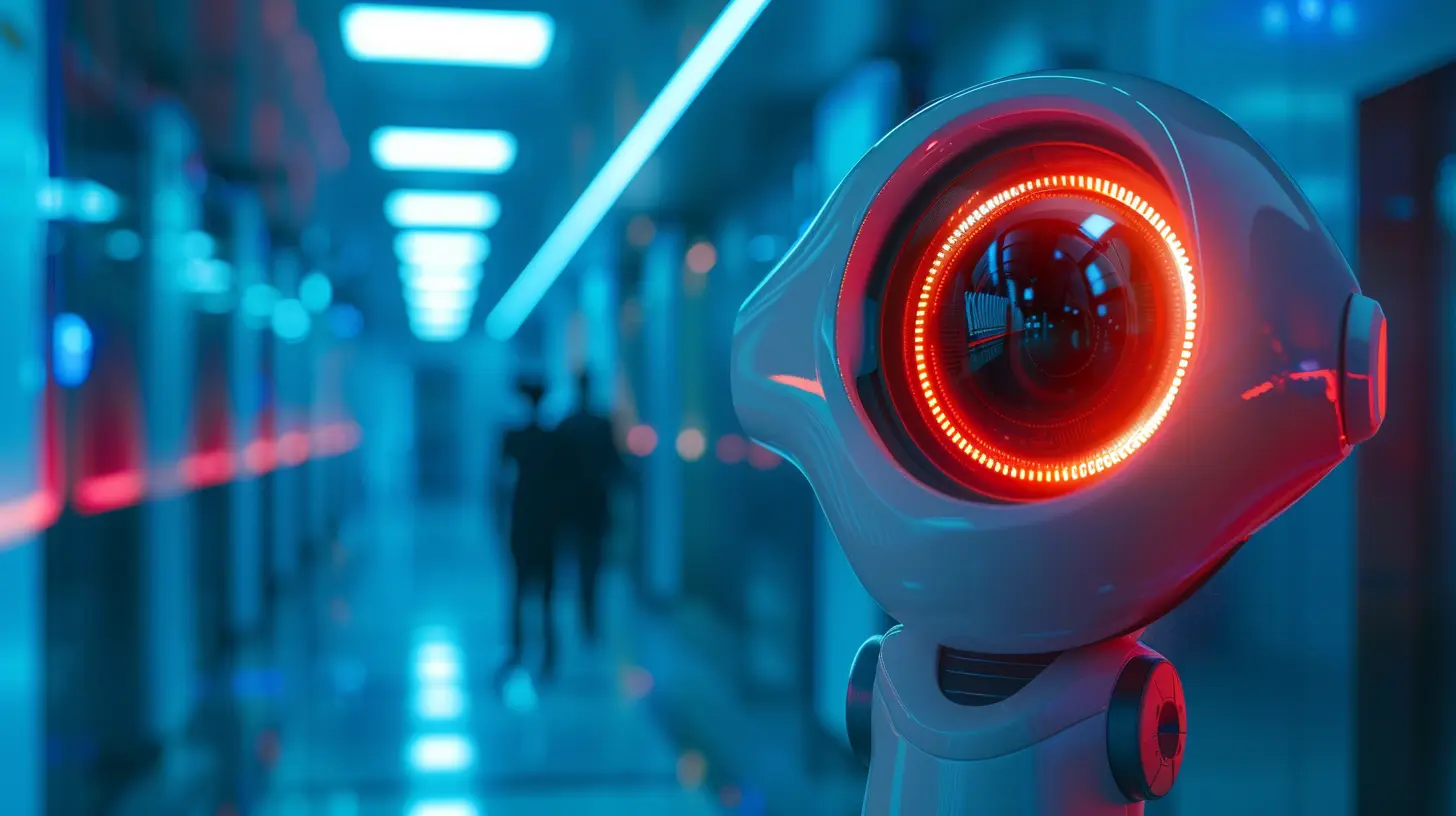
The AI Effect: Turning Cameras Into Brainy Visual Wizards
Alright, let’s talk about the real game-changer—Artificial Intelligence.At its core, AI enables machines to do things that normally require human smarts. And when you embed AI into cameras, you get devices that can:
- Recognize faces
- Detect objects
- Track motion
- Analyze behavior
- Predict events (yep, kind of like a crystal ball but with tech)
Sounds wild, right? That’s because it kind of is.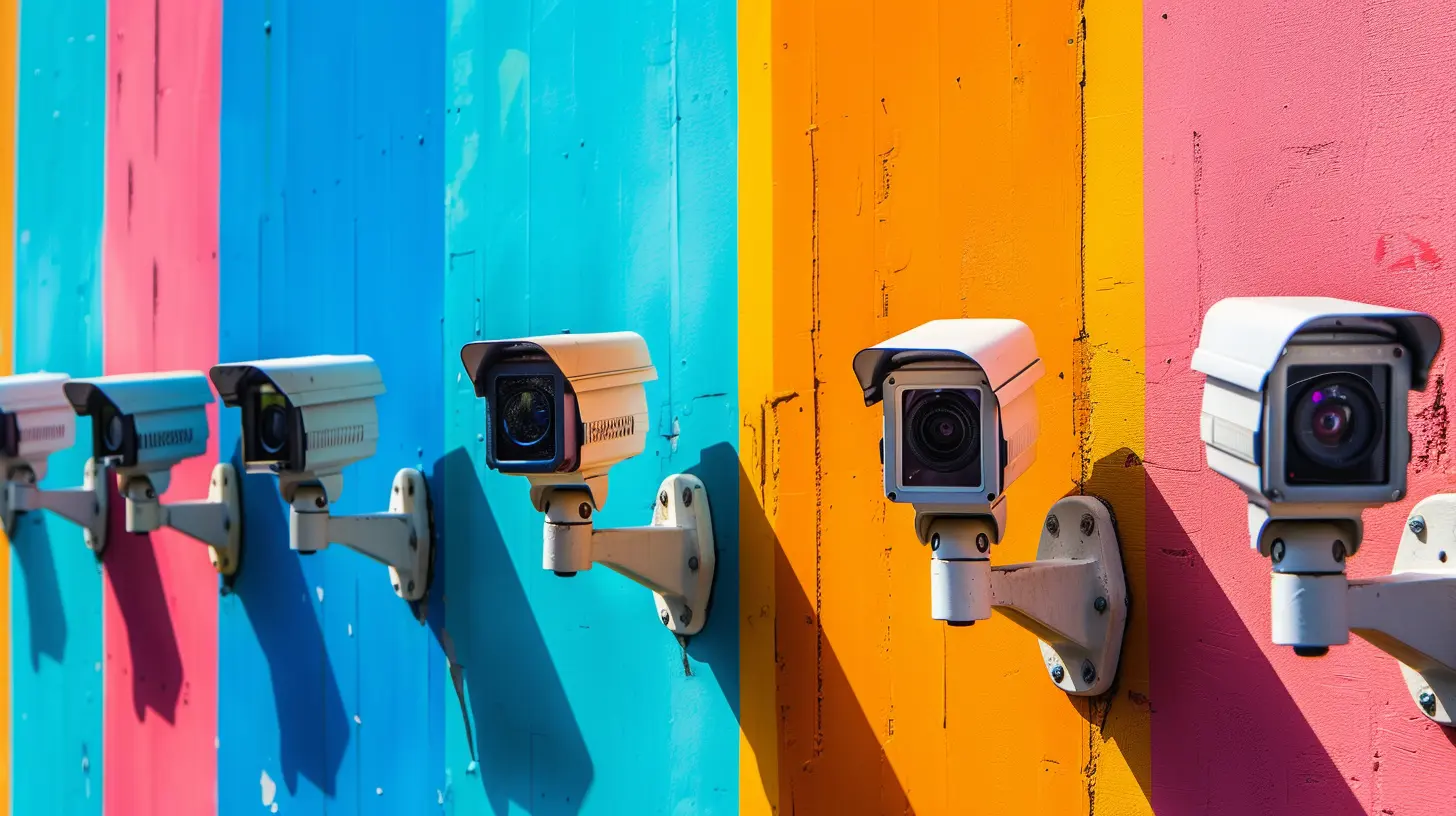
From Passive Observers to Active Analysts
Traditional cameras are like silent witnesses—they just record whatever happens. They don’t think, they don’t react, they just sit there and capture footage.AI flips the script.
Now, smart cameras can actually analyze what they're seeing in real time. Is that a person lingering near your back door too long? Did someone leave a package unattended in an airport? Is that kid in the backyard jumping into the pool alone?
Thanks to AI-powered video analytics, cameras can now detect anomalies, flag threats, or even notify you when your dog sneaks onto the couch. Pretty handy, right?
Real-Time Decision Making—Why Speed Matters
Here’s the kicker: AI doesn’t just help cameras “see,” it helps them “think fast.”Imagine a surveillance camera in a crowded stadium. You can’t have a human watching every frame, right? But an AI-equipped camera can scan thousands of faces, spot suspicious objects, or identify unusual behavior—instantly.
Time is everything when it comes to safety and efficiency. AI allows smart cameras to make split-second decisions, turning them into real-time guardians.
Let’s Talk About Facial Recognition (The Good, The Bad & The Controversial)
No discussion of AI in smart cameras is complete without talking about facial recognition.This tech can be super useful—and kind of creepy at the same time.
On the plus side, facial recognition helps unlock your phone, streamline airport security, and catch bad guys. But it also fuels debates about privacy, consent, and surveillance overreach.
AI has made facial recognition incredibly accurate, even in low-light or crowded environments. But like any tool, how it’s used (and who’s using it) makes all the difference. Ethics matter.
More Than Security: Smart Cameras in Everyday Life
You might think AI-powered cameras are just for catching crooks or monitoring corporate buildings. Not so fast.AI is making cameras smarter in all sorts of surprising ways:
1. In Retail – Watching What We Buy
Ever wonder what products make people stop and stare? Or which aisle gets the most foot traffic?Smart cameras can analyze customer behavior, track store heatmaps, and even alert staff when shelves are empty. It’s like having a personal shopper, sales analyst, and stock clerk... all rolled into one.
2. In Healthcare – Keeping an Eye on What Matters
Hospitals and nursing homes are using AI cameras to monitor patient movement, detect falls, and even track hygiene compliance.Imagine a camera that knows when a nurse forgot to sanitize her hands or when a patient is about to get up unassisted. It’s like having an extra set of eyes that never blink.
3. In Traffic Management – Beating the Jam
AI-driven cameras at intersections can monitor vehicle flow, detect traffic violations, and even adjust signal timing based on real-time congestion.Think of it as the ultimate traffic cop who never takes a donut break.
4. In Agriculture – Smart Farming with Smart Vision
Out in the fields, AI cameras can detect crop diseases, identify pests, and monitor plant growth—all without a farmer having to step outside.It’s not just smart—it’s science fiction meets soil.
The Tech Behind the Magic: Key AI Tools Powering Smart Cameras
Let’s geek out for a minute (just a little). Behind every AI-enabled smart camera are a few powerhouse technologies doing the heavy lifting:Machine Learning (ML)
At the heart of AI lies machine learning—training the camera’s brain to recognize patterns and make predictions. The more data it sees, the smarter it gets.Deep Learning & Neural Networks
This is where camera AI gets really juicy. Neural networks mimic the human brain and allow cameras to understand complex visual data. That’s how they start recognizing faces, objects, emotions, and more.Natural Language Processing (NLP)
Okay, this one’s a stretch, but in some smart ecosystems (like voice-activated home systems), cameras with NLP can actually “understand” commands or communicate contextually with other devices.Edge Computing
Instead of sending all data to the cloud (which takes time), edge computing allows cameras to process info locally. That means faster responses and more privacy.The Privacy Puzzle: Is Big Brother Watching?
Yeah, this is where things get a little gray.As cameras get smarter, they see more. A lot more. And that brings up big questions about how that data is stored, who can access it, and what it’s being used for.
Encryption, anonymization, and consent-based systems are some of the ways to address privacy concerns. But let’s be real—this conversation is far from over.
The balance between safety and surveillance is delicate, and it’s up to regulators, tech companies, and yes, us users, to keep things in check.
AI and Smart Cameras: What’s Next?
The future of AI-driven smart cameras? Buckle up—it’s going to be wild.We’re talking about cameras that can:
- Detect emotions through micro-expressions (lie detector, anyone?)
- Offer predictive security (spotting danger before it happens)
- Integrate with other smart devices for seamless automation
- Learn from user behavior and adapt in real time
There’s even talk of AI cameras helping with environmental monitoring—spotting wildfires before they spread or detecting illegal logging. Basically, if it involves vision, it’s fair game.
Should You Jump on the Smart Camera Bandwagon?
If you're a tech enthusiast, security freak, or even a small business owner, smart cameras with AI can seriously up your game. But always check the privacy settings, know what data is being collected, and make sure you’re okay with it.Smart doesn’t mean perfect, and AI is constantly learning. Like a super-smart toddler, it can do amazing things—but sometimes it needs a little supervision.
The Final Frame
AI has transformed smart cameras from simple recording devices into intelligent vision systems that can see, think, and even act. Whether it’s making your home safer, your store smarter, or the roads smoother, AI’s role in the evolution of smart cameras is nothing short of revolutionary.The lens we look through is no longer passive. It’s intelligent, intuitive, and interactive. Welcome to a world where cameras don’t just see the moment—they understand it.
And that, my friend, is a sight to behold.
all images in this post were generated using AI tools
Category:
Tech TrendsAuthor:

Reese McQuillan
Discussion
rate this article
2 comments
Jasmine McGarvey
AI is revolutionizing smart cameras—embrace the future or get left behind!
February 19, 2026 at 5:11 AM
Reese McQuillan
Absolutely! AI is transforming smart cameras, enhancing their capabilities and making them essential for modern security and photography. Embracing this technology is key to staying relevant in a rapidly evolving landscape.
Diesel McKnight
AI is revolutionizing smart cameras by enhancing image processing, automating object recognition, and improving user experience. As these technologies evolve, they not only increase efficiency and accessibility but also raise important ethical questions about privacy and surveillance. Balancing innovation with responsibility will be key to their future.
February 4, 2026 at 1:51 PM
Reese McQuillan
Thank you for your insightful comment! You highlight crucial aspects of AI's impact on smart cameras, particularly the balance between technological advancement and ethical considerations.