The Role of Edge Computing in Tomorrow’s Smart Cities
15 January 2026
The dream of smart cities is no longer a futuristic fantasy. It's becoming a reality, and edge computing is playing a pivotal role in this transformation. But what exactly is edge computing, and why is it so crucial for the cities of tomorrow? Let's dive in and explore how this technology is shaping the smart cities of the future.

What is Edge Computing?
Before we get into the nitty-gritty, let’s break down edge computing in simple terms. Think of it as a shift in how data is processed.Traditionally, data generated by our devices—whether it’s a smartphone, smart thermostat, or even a traffic sensor—gets sent to a centralized cloud for processing. It’s like sending all your laundry to a laundromat miles away. Sure, it gets done, but the process is time-consuming and inefficient.
Edge computing flips this model. Instead of sending data all the way to a distant cloud, it processes it closer to where it’s generated—right at the "edge" of the network. It’s like having a washing machine right in your home. Faster, more efficient, and you’re in control.
Edge computing handles tasks locally, reducing latency and improving performance. In the context of smart cities, where real-time data processing is critical, this technology becomes indispensable.
Why Edge Computing is Essential for Smart Cities
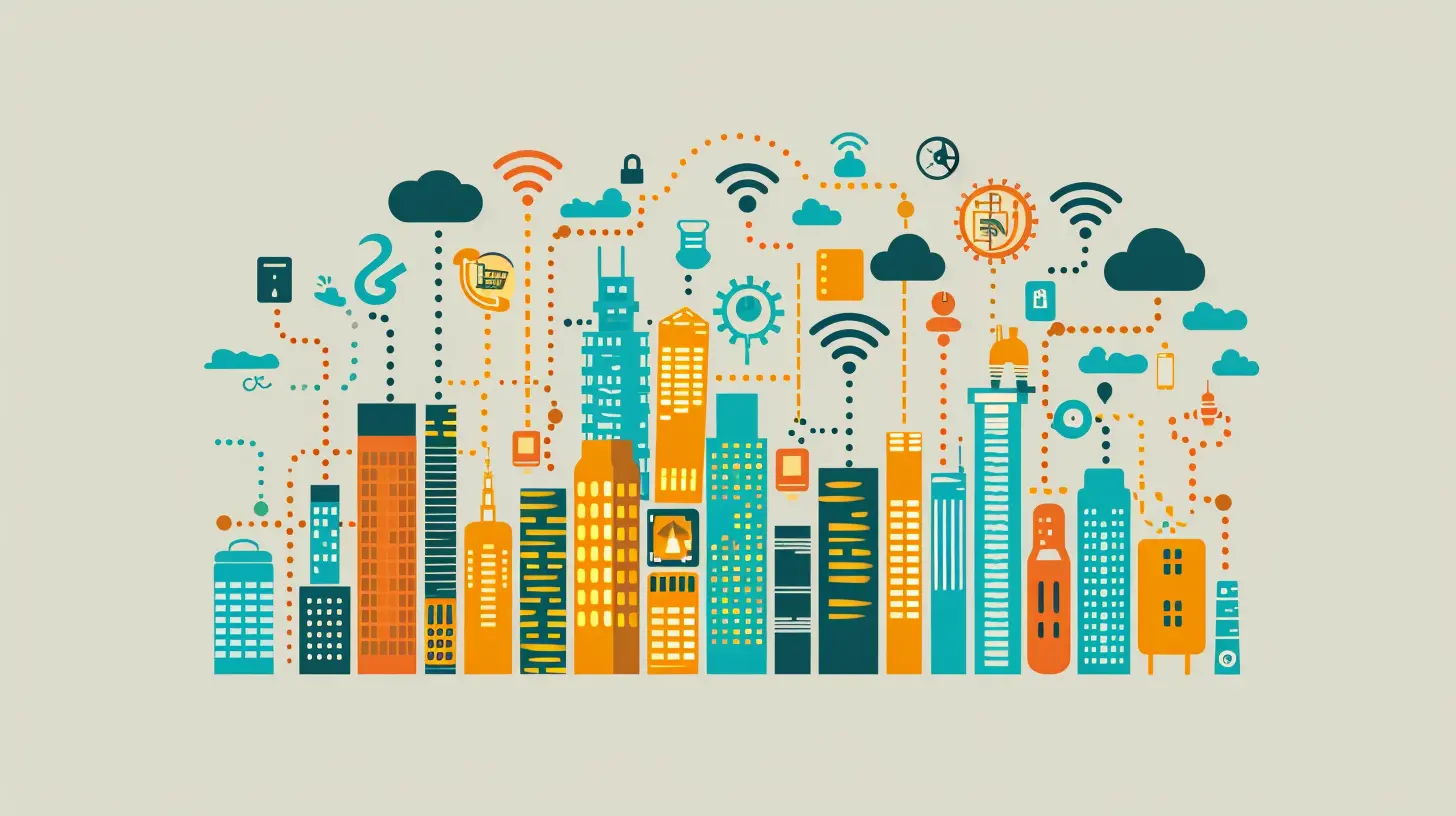
Smart cities are all about connectivity. From traffic lights and waste management to healthcare and public safety, everything is interconnected. But with this massive connectivity comes an explosion of data. And with great data comes great responsibility (and challenges).Here’s why edge computing is the superhero smart cities need:
1. Low Latency for Real-Time Decisions
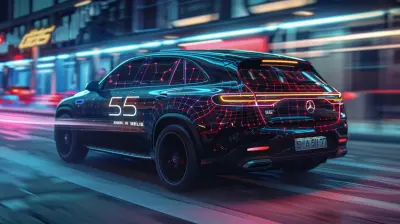
Picture this: A self-driving car is zooming down the street. Suddenly, a pedestrian steps onto the road. The car’s sensors pick up the movement, but if the data has to travel all the way to a distant cloud and back, it might be too late to brake. Edge computing processes the data locally, allowing the car to react in real-time without delay.In smart cities, real-time decision-making is crucial. Whether it’s adjusting traffic lights, responding to emergencies, or managing energy grids, there’s no room for lag. Edge computing ensures that critical decisions can be made in milliseconds, which can literally be the difference between life and death.
2. Reduced Data Traffic and Bandwidth Costs
Imagine every car, streetlight, and security camera in the city constantly sending raw data to the cloud. It’s like trying to fit a firehose worth of water through a garden hose. The sheer volume of data would overwhelm networks and drive up bandwidth costs.Edge computing slashes the amount of data that needs to be transmitted. Instead of sending everything to the cloud, only the most relevant information is sent. Think of it as filtering out the noise and only passing on what’s crucial. This reduces the strain on network infrastructure and cuts costs significantly.
3. Enhanced Privacy and Security
Smart cities rely on an extensive network of sensors and devices that collect vast amounts of data. But with great data comes great risk. Centralized cloud systems can become prime targets for hackers. A breach could expose sensitive information, from personal health data to traffic control systems.Edge computing adds an extra layer of security by keeping data local. Since information doesn’t have to travel long distances, there are fewer opportunities for it to be intercepted. Plus, with many edge devices acting independently, even if one is compromised, it doesn’t jeopardize the entire system.
4. Improved Resilience and Reliability
Centralized systems have a single point of failure. If the cloud goes down or there’s a network outage, the entire system can crash. Not ideal for a city that relies on constant connectivity.Edge computing distributes processing power across multiple devices. It’s like having backup generators that kick in when the main power goes out. Even if one part of the network fails, other edge devices can continue to operate, ensuring the city keeps running smoothly.
Real-World Applications of Edge Computing in Smart Cities
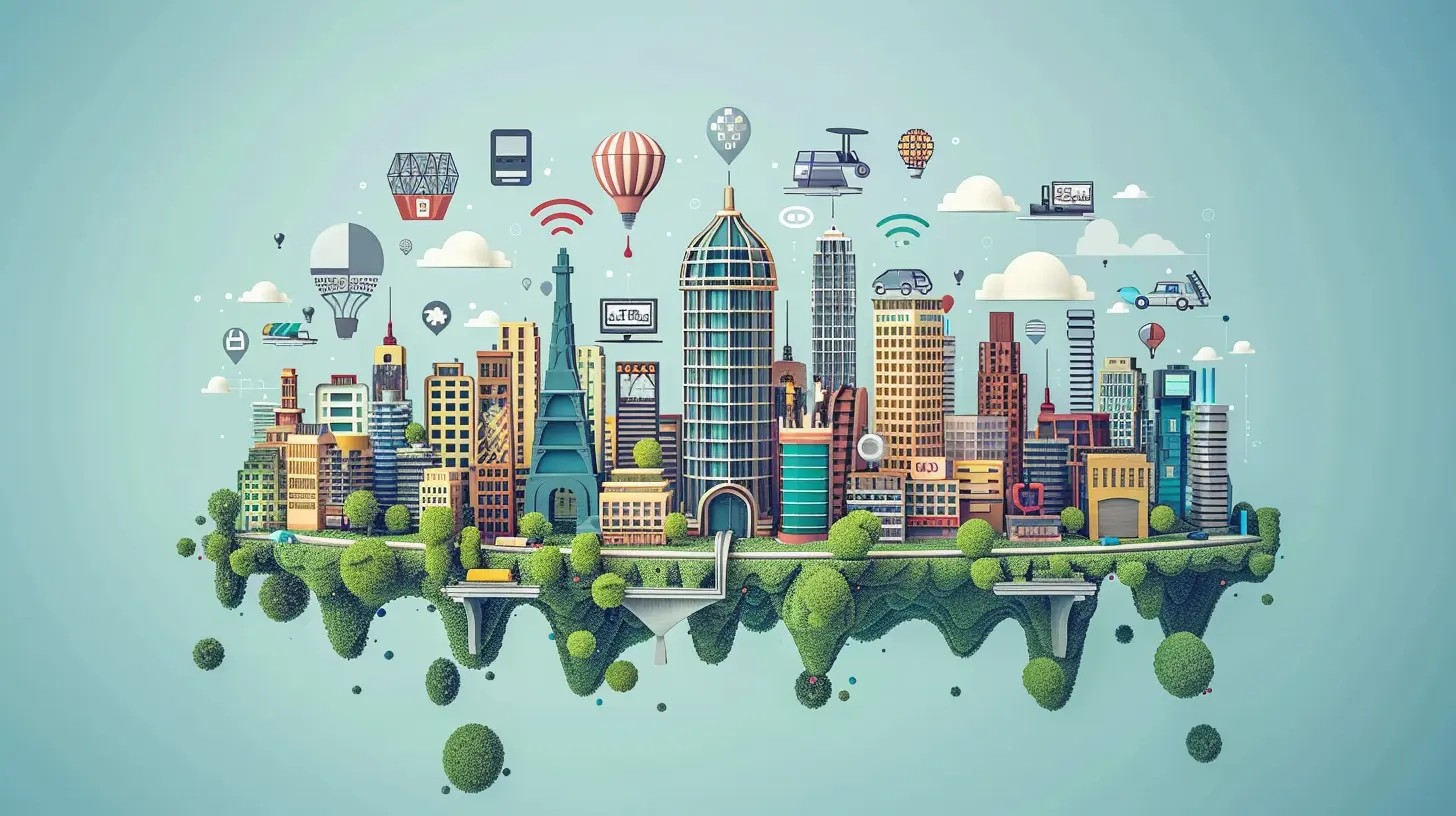
So, how does edge computing actually manifest in a smart city? Let’s look at a few real-world examples where this technology is making waves.1. Traffic Management
We’ve all been there—stuck in traffic, cursing the red lights. Traditional traffic management systems are often reactive rather than proactive. But with edge computing, cities can implement intelligent traffic systems that adapt in real-time.Cameras and sensors at intersections can analyze traffic flow and adjust signals dynamically to reduce congestion. Edge devices process the data locally, ensuring that these adjustments happen almost instantaneously. It’s like having a traffic cop at every intersection, fine-tuning the system as conditions change.
2. Smart Energy Grids
Energy consumption in cities is massive, and managing it efficiently is no small feat. Smart grids powered by edge computing can monitor energy usage in real-time and distribute power more effectively.For instance, during peak hours, edge devices can shift energy loads from high-demand areas to less-demanding ones. This helps prevent blackouts and ensures that energy is used more efficiently. And if there’s a failure in one part of the grid, edge computing allows other parts to remain operational, minimizing disruptions.
3. Public Safety and Surveillance
Cities are increasingly turning to surveillance systems for public safety, but processing all that video footage in the cloud can be slow and cumbersome. With edge computing, video analytics can happen on-site, allowing faster detection of suspicious activities.For example, if a camera detects unusual behavior, it can alert authorities immediately without needing to send the data to a central hub. This not only improves response times but also reduces the amount of sensitive data being transmitted, enhancing privacy.
4. Waste Management
Believe it or not, edge computing is even making garbage collection smarter. Sensors in trash bins can detect when they’re full and send alerts to waste management teams. Edge devices process this data locally, allowing for optimized collection routes that save time, fuel, and resources.Instead of trucks driving around aimlessly, they can be routed directly to where they’re needed. This reduces traffic congestion and lowers emissions, contributing to a more sustainable city.

Challenges of Implementing Edge Computing in Smart Cities
While edge computing offers a ton of benefits, it’s not without its challenges. Building a smart city is like assembling a giant jigsaw puzzle, and edge computing is just one piece.1. Cost of Infrastructure
Setting up edge computing requires significant investment in hardware and infrastructure. Each device needs to be equipped with enough processing power to handle tasks locally, which can drive up costs.However, as the technology matures and becomes more widespread, these costs are expected to decrease. Plus, the long-term savings from reduced bandwidth and improved efficiency often outweigh the initial investment.
2. Interoperability
Smart cities rely on a wide variety of devices from different manufacturers, each with its own system and standards. Ensuring that all these devices can communicate and work together seamlessly is a major challenge.The industry is working towards developing standardized protocols, but until then, city planners need to carefully choose technologies that can easily integrate with one another.
3. Data Management
With so much data being generated at the edge, managing it effectively is no small feat. Cities need robust systems in place to ensure that data is stored, processed, and analyzed efficiently.Edge computing can help by filtering out irrelevant data, but there’s still a need for central systems that can handle the immense volume of information produced by smart cities.
The Future of Smart Cities with Edge Computing
As technologies like 5G, IoT, and AI continue to evolve, the role of edge computing in smart cities will only grow. We’re standing on the brink of a major transformation, where cities are no longer just places to live but interconnected ecosystems that respond dynamically to the needs of their citizens.Imagine a world where traffic jams are a thing of the past, where energy is used efficiently, and where public safety is enhanced through real-time surveillance. This isn’t science fiction—it’s the future that edge computing is helping to build.
In the coming years, we can expect even more advanced applications of edge computing in everything from healthcare to environmental monitoring. And as cities continue to grow and evolve, the need for real-time data processing will become even more critical.
Conclusion
Edge computing is more than just a buzzword—it’s a game-changer for smart cities. By bringing data processing closer to the source, it enables faster decision-making, reduces costs, enhances security, and improves reliability. As cities become smarter and more connected, edge computing will be at the heart of this transformation, ensuring that the cities of tomorrow are not only efficient but also livable, sustainable, and safe.The future of smart cities is bright, and with edge computing leading the way, we’re in for an exciting ride.
all images in this post were generated using AI tools
Category:
Tech TrendsAuthor:

Reese McQuillan
Discussion
rate this article
2 comments
Macey McClellan
Great insights on edge computing's potential in smart cities! It’s fascinating how decentralizing data processing can enhance real-time decision-making and efficiency. Excited to see how this technology evolves and contributes to sustainable urban development in the future. Keep up the excellent work!
February 1, 2026 at 5:19 AM
Reese McQuillan
Thank you for your encouraging words! I'm glad you found the insights valuable. Exciting times ahead for edge computing in smart cities!
Kristy McClain
Great insights! Edge computing will truly transform smart cities and enhance urban living experiences!
January 18, 2026 at 4:15 AM
Reese McQuillan
Thank you! I agree—edge computing will play a pivotal role in shaping smarter, more efficient urban environments.