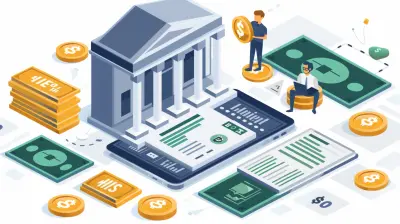
The Role of Fintech in Democratizing Investments
30 January 2026
In the world we live in today, almost everything is becoming more accessible. You can learn to code online, order your groceries from your couch, or even book a vacation on a whim. So, why should investing remain an exclusive playground for the wealthy or well-connected? That’s where financial technology, or "fintech," comes into play. It’s reshaping the investment landscape by making it more inclusive and democratizing access for everyone. But how exactly is fintech doing this?
In this article, we’ll dive deep into how fintech is revolutionizing investments, making it easier for everyday folks like you and me to grow our money. Whether you’re a seasoned investor or someone just dipping your toes into the financial waters, fintech has something to offer.

What is Fintech?
Before we get too far ahead, let’s define what we’re talking about. Fintech (short for financial technology) refers to the integration of technology into offerings by financial services companies to improve their use and delivery to consumers. From mobile banking apps to robo-advisors, fintech covers a broad spectrum of innovative solutions that make managing money easier and more intuitive.But fintech isn’t just about convenience. It’s changing the rules of the game, especially when it comes to investing. Traditional financial institutions often have high barriers to entry, requiring large sums of money or insider knowledge to get started. Fintech, on the other hand, is all about breaking down those barriers.

The Traditional Investment Landscape: What Was the Problem?
For decades, investing has been considered the domain of the rich or the well-educated. Why is that? Well, historically, you needed quite a bit of capital to even be invited to the investment party. On top of that, there were complex processes and regulations that could leave a beginner investor feeling lost in a sea of jargon.Let’s face it—traditional financial institutions weren’t exactly rolling out the welcome mat for the average Joe. Want to invest in stocks or bonds? You’d likely need a stockbroker or financial advisor, someone who would take a cut of your profits in fees. And if you didn’t have a large sum to invest, you might not even be worth their time.
This exclusivity created a massive gap between those who could afford to invest and those who couldn’t. But fintech came along and flipped the script.
How Fintech is Democratizing Investments
So, how is fintech changing the traditional investment game? Let’s break it down into a few key areas:1. Lowering Barriers to Entry
One of the biggest challenges for aspiring investors has been the high barriers to entry. Think about it: Many traditional investment platforms required you to have a few thousand dollars just to start. That’s not exactly pocket change for most people.Enter fintech platforms like Robinhood, Acorns, or Stash. These apps allow you to start investing with as little as $1. Yes, you read that right—$1. This is game-changing. By lowering the minimum investment requirement, fintech platforms have opened the doors for people from all walks of life to start growing their wealth.
2. Access to Fractional Shares
Another revolutionary concept fintech brought to the table is fractional shares. In the past, if you wanted to invest in big companies like Amazon or Tesla, you’d need thousands of dollars because a single share could cost a fortune. Fintech apps allow you to purchase a fraction of a share, making high-value stocks accessible to everyone.It’s like being able to buy a slice of cake instead of the whole thing—still satisfying, but without the steep price tag.
3. Robo-Advisors: Investment for the Busy and the Novice
Investing can feel like learning a new language. Stocks, bonds, mutual funds, ETFs—it's overwhelming, right? Enter robo-advisors. These are automated platforms that use algorithms to manage your portfolio based on your risk tolerance and financial goals.Whether you’re saving for a house, retirement, or just building an emergency fund, robo-advisors take the guesswork out of investing. Platforms like Betterment and Wealthfront allow you to set up an account in minutes, and they do the heavy lifting for you. The best part? These services often come at a fraction of the cost of traditional financial advisors.
4. Access to Global Markets
Thanks to fintech, geographical boundaries are no longer barriers to investing. In the past, investing in international markets required a lot of paperwork, bureaucracy, and high fees. Now, with a few taps on your smartphone, you can invest in markets across the globe.Platforms like eToro, for example, allow users to trade in international stocks, commodities, and even cryptocurrencies with ease. This opens up opportunities for diversification that were previously out of reach for most people.
5. Social Trading and Community Investing
Remember how investing used to be a solo endeavor, with you against the world (or, at least, the market)? Fintech has introduced the concept of social trading, where you can follow and even copy the trades of successful investors.Platforms like eToro and Public let you interact with other investors, share tips, and even mimic the strategies of seasoned professionals. It’s kind of like following a fitness guru on Instagram, but for your wallet.
6. Educational Tools and Resources
One of the key elements of democratization is education. For years, financial literacy has been a roadblock for many would-be investors. However, fintech platforms are stepping in to fill that gap by offering educational resources that help users make informed decisions.Whether it’s through blogs, webinars, or in-app tutorials, fintech is empowering individuals to take control of their financial future. Apps like Investopedia or even YouTube channels dedicated to personal finance are breaking down complicated financial concepts into digestible, actionable advice.
7. Cryptocurrency: A New Frontier in Investment
No discussion about fintech and democratizing investment would be complete without mentioning cryptocurrency. Once a niche area for tech enthusiasts, cryptocurrency has now become an essential part of the investment conversation. Platforms like Coinbase or Binance make it possible for anyone to invest in digital currencies such as Bitcoin, Ethereum, or even meme coins like Dogecoin.Cryptocurrency presents its own set of risks, but it’s undeniably a way for the average person to access a previously exclusive asset class. It’s like opening the doors to a whole new world of investment opportunities.
8. Peer-to-Peer Lending and Crowdfunding
Fintech is also making it easier for people to invest in businesses and causes they believe in. Platforms like LendingClub or Kickstarter allow you to lend money or invest in startups, sometimes with the promise of high returns.This wasn’t even an option for most people a few decades ago. With peer-to-peer lending and crowdfunding, fintech is giving everyday investors the chance to be a part of something bigger, whether it’s funding a local coffee shop or backing the next big tech innovation.
The Benefits of Democratized Investments
So, what are the broader implications of fintech’s role in democratizing investments? The benefits are far-reaching:- Increased Access: More people can now participate in the markets, regardless of their income level or location.
- Financial Inclusion: Historically marginalized groups, such as lower-income individuals or those without formal financial education, now have a chance to invest.
- Diversification: With more options available, investors can diversify their portfolios more easily, reducing risk.
- Wealth Building: Over time, more people will have the opportunity to grow their wealth, reducing the wealth gap.
The Challenges Still Ahead
Of course, fintech isn’t a magic wand that fixes everything. There are still challenges that need to be addressed:- Risk of Over-Simplification: While fintech makes investing easier, it can sometimes oversimplify complex concepts, leading to uninformed decisions.
- Regulatory Issues: As fintech grows, so does the need for regulation to protect consumers. There’s a delicate balance between fostering innovation and ensuring investor safety.
- Market Volatility: Just because investing is easier doesn’t mean it’s risk-free. Market downturns can still wipe out investments, and novice investors might not fully understand these risks.
Conclusion: Fintech is Here to Stay
Fintech is undeniably changing the landscape of investing. By lowering barriers to entry, offering new tools like robo-advisors, and providing access to global markets, fintech has made investing more accessible to everyone. Whether you’re looking to invest a few dollars or a few thousand, fintech is paving the way for more people to take control of their financial futures.We’re witnessing a shift towards a more inclusive financial ecosystem—one that values accessibility, education, and transparency. While there are still challenges ahead, there’s no denying that fintech is playing a crucial role in democratizing investments. So, if you’ve been hesitant to start investing, maybe now’s the time to dip your toes in the water.
After all, the financial world isn’t just for Wall Street anymore—it’s for everyone.
all images in this post were generated using AI tools
Category:
FintechAuthor:

Reese McQuillan
Discussion
rate this article
2 comments
Peter Vasquez
This article raises intriguing points about how fintech is reshaping investment accessibility. I'm curious—what specific technologies or platforms are proving most effective in bridging the investment gap for underserved communities? Exciting times ahead!
February 14, 2026 at 5:31 AM
Reese McQuillan
Thank you for your comment! Key technologies include mobile apps for micro-investing, peer-to-peer lending platforms, and robo-advisors, all of which provide greater access and lower barriers for underserved communities. Exciting indeed!
Trinity Davis
Great insights on how fintech is revolutionizing access to investments and empowering everyday individuals. Thank you!
February 2, 2026 at 1:35 PM
Reese McQuillan
Thank you for your kind words! I'm glad you found the insights valuable.