The Role of Firewalls in Modern Data Security
11 July 2026
Let’s face it: in today’s digital world, data security isn’t a luxury—it’s an absolute necessity. Whether you're a business handling sensitive customer information or just someone browsing the web at home, threats are lurking everywhere. Hackers, malware, and other cyber nasties are constantly evolving, which means our defenses need to evolve too. That’s where firewalls come into play.
You’ve probably heard the term thrown around before, but what do firewalls actually do? And more importantly, why are they still so crucial in our modern landscape packed with cloud computing, IoT devices, and remote work? Well, grab your coffee. This one’s important.
What Exactly Is a Firewall?
At its core, a firewall is a security system—either hardware-based, software-based, or both—that monitors and controls incoming and outgoing network traffic. Think of it like a security guard who checks every car entering a gated community. If a vehicle (or in our case, data packet) looks suspicious or is on a blocklist, it doesn’t get in.Firewalls create a barrier between your private network and the wild jungle that is the internet. They've been around since the late '80s, but they’ve evolved significantly over the years. From packet filters to next-generation firewalls (NGFWs), the technology has adapted to prevent increasingly sophisticated attacks.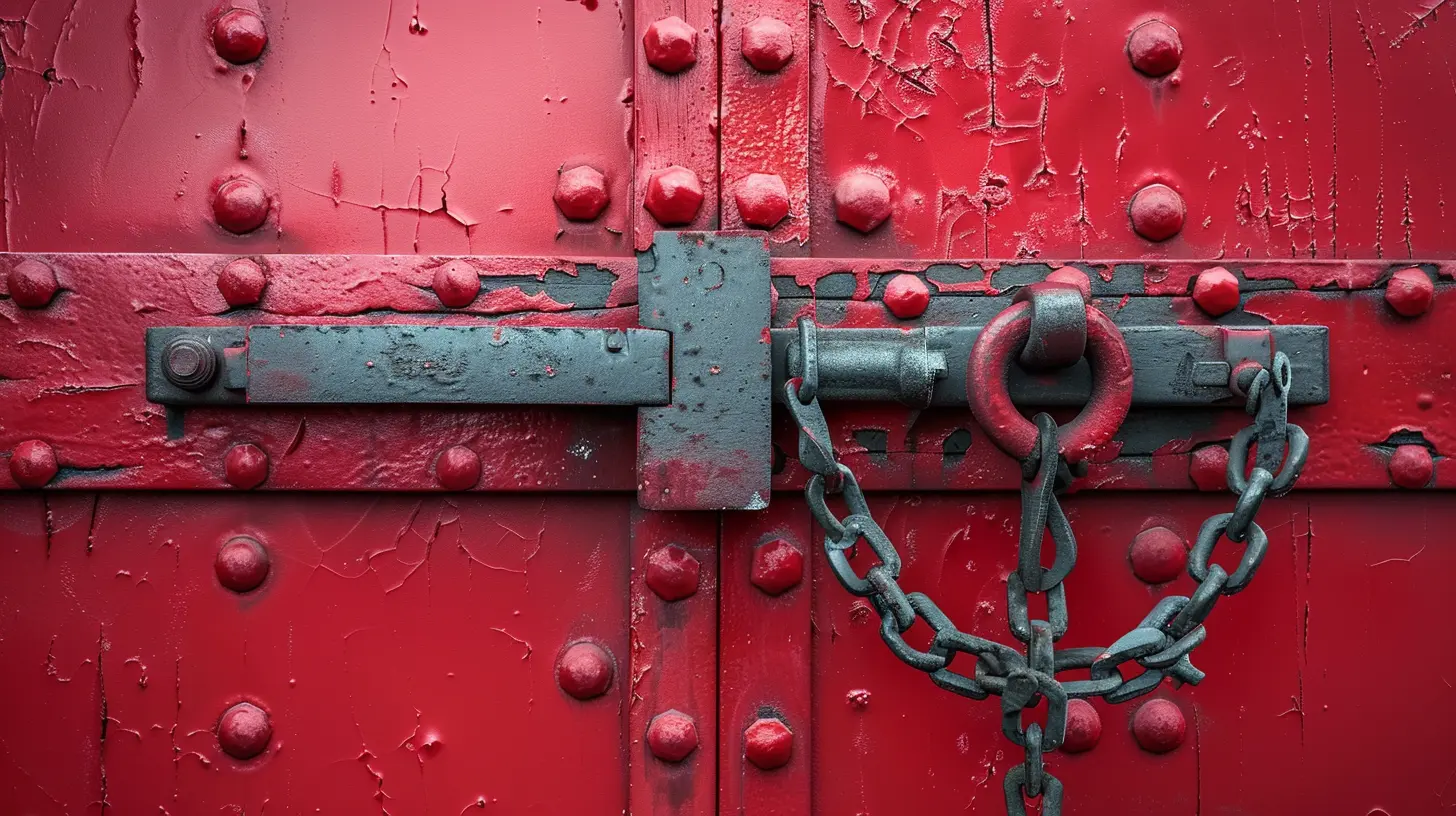
Why Do We Still Need Firewalls Today?
You might be wondering—aren’t there newer security tools like VPNs, endpoint detection systems, and intrusion prevention systems? Sure, those are great, but firewalls are still the first line of defense. Without them, your entire network is like a house with the front door wide open.Here’s why firewalls are still indispensable:
1. They Filter Out The Bad Stuff
Whether it’s malware, phishing attempts, or unwanted spam, firewalls scan for all kinds of threats. They follow a set of rules to decide which traffic is legit and which isn't, keeping your systems cleaner and safer.2. They Protect Against Unauthorized Access
A well-configured firewall blocks outsiders from accessing your internal network. It's especially helpful for businesses handling sensitive information like financial records, healthcare data, or customer details.3. They Enforce Security Policies
Firewalls help enforce your network’s security policies by restricting access to certain sites, services, or IP addresses. Trying to access a dangerous website at work? A firewall can say “nope.”
Types of Firewalls: Not All Are Created Equal
Now here's where things get a bit layered. There are several types of firewalls, and each serves a different purpose. Not all firewalls are built the same, so let’s break it down.1. Packet Filtering Firewalls
This is the OG style of firewall. It inspects data packets and allows or blocks them based on source and destination IP addresses, ports, or protocols. It’s fast and simple but not too smart—kind of like a bouncer who only checks IDs and not behavior.2. Stateful Inspection Firewalls
This one steps it up by tracking the state of active connections. It doesn’t just look at individual packets—it knows which connections are trusted based on the full picture. A bit like a bouncer who keeps a list of regulars and watches for sketchy behavior.3. Proxy Firewalls (Application-Level Gateways)
These firewalls operate at the application layer, acting as intermediaries between users and the web service. It’s like putting a translator between two people who don’t speak the same language. It adds a layer of anonymity and checks the data more thoroughly.4. Next-Generation Firewalls (NGFWs)
These are the big dogs. NGFWs combine the features of traditional firewalls with more advanced capabilities like deep packet inspection, intrusion prevention systems (IPS), and application awareness. They’re smarter, more efficient, and better suited for modern threats.5. Cloud Firewalls
With more infrastructure moving to the cloud, we now have cloud-native firewalls that protect virtual networks. Think of them as floating gatekeepers watching over your digital castle in the sky.
The Firewall’s Role in a Layered Security Approach
One firewall does not make a secure network. That’s why cybersecurity experts always recommend a layered security strategy, also known as “defense in depth.”Imagine your data like a treasure chest. You wouldn’t rely on just one padlock, right? You’d put it in a vault, hire security, perhaps install cameras, and maybe even add a few booby traps (okay, maybe not that far). Firewalls are one layer of that protection, and a pretty critical one.
They work best when combined with:
- Antivirus and anti-malware solutions
- Intrusion detection and prevention systems (IDPS)
- Endpoint protection
- User access controls
- Security awareness training for employees
Firewalls and Remote Work: A Match Made in Cyber Heaven
Remote work is great—I mean, who doesn’t love working in pajamas? But from a security perspective, it opens up a big can of worms. Employees connecting from home, coffee shops, or airports can create vulnerabilities.Firewalls help secure remote work environments. Many companies now implement virtual private networks (VPNs) in tandem with firewalls to ensure remote employees have a safe connection back to corporate resources. Even better, Next-Gen Firewalls can inspect encrypted VPN traffic to catch any threats trying to skirt by unnoticed.
How Firewalls Help with Compliance
If you're in finance, healthcare, or any industry with strict data regulations, compliance is a big deal. Firewalls aren’t just about security—they’re also about meeting standards.Here’s how firewalls help:
- Enforcing access controls
- Maintaining data logs for audits
- Preventing unauthorized data transfers
- Securing communication channels
Whether it’s GDPR, HIPAA, or PCI-DSS, having a properly configured firewall checks a lot of boxes.
Firewalls vs. Antivirus: What’s The Difference?
This is a question I hear a lot. While both are security tools, they play very different roles.- Firewalls filter network traffic.
- Antivirus software detects and removes malicious files on a device.
Think of it this way: if your device was a nightclub, the firewall is the doorman deciding who gets in, while the antivirus is the security guard inside handling unruly guests.
You really need both.
Can Firewalls Be Bypassed?
Short answer: yes, if they’re not properly configured or kept up to date.Hackers are clever—some use encrypted traffic or social engineering to sneak past basic firewall rules. That’s why modern firewalls with features like DPI (Deep Packet Inspection) and AI-based threat detection are highly recommended.
And let me be clear: no firewall is 100% foolproof. But having one significantly lowers your risk. It's like wearing a seatbelt—you might still get into an accident, but you’re way better off wearing it.
Common Firewall Mistakes to Avoid
Even the best firewall can fail if it’s not used correctly. Here are some rookie mistakes you should watch for:1. Set It and Forget It
A firewall isn’t a crockpot. You can’t just install it and stop thinking about it. Regular updates and log inspections are a must.2. Too Many Open Ports
Leaving too many ports open is like giving a thief multiple windows to choose from. Only open what’s absolutely necessary.3. Weak Rulesets
Vague or overly broad rules defeat the purpose of a firewall. Be specific about what’s allowed—and what isn’t.4. Ignoring Outbound Traffic
Most people focus on blocking bad stuff from the outside. But what about threats already inside your network trying to get out? Your firewall should monitor and control outbound traffic too.The Future of Firewalls: What’s Next?
Firewalls have come a long way, and they’re not going anywhere anytime soon. As we dive deeper into AI, machine learning, and quantum computing, firewalls will also become smarter and more predictive.Expect to see more integration with behavioral analytics, threat intelligence feeds, and cloud infrastructure. Essentially, firewalls are evolving from static rule-enforcers into dynamic, intelligent gatekeepers.
Final Thoughts
At the end of the day, firewalls are still one of the most essential tools in the cybersecurity toolbox. Sure, they’re not the only tool you need, but imagine trying to defend a castle without a front gate. Doesn't sound too smart, right?Whether you're a solo freelancer, a small business owner, or leading IT at a global enterprise, you need to have the right firewall protecting your network. And not just any firewall—the right one for your specific needs, properly configured, regularly updated, and monitored.
So if you haven’t given much thought to your firewall lately, now’s a good time to check in. Cyber threats are only getting worse—don't wait for something to go wrong before taking action.
all images in this post were generated using AI tools
Category:
Data SecurityAuthor:

Reese McQuillan
Discussion
rate this article
1 comments
Eden Harris
Firewalls are essential for protecting our data in today's digital landscape.
July 11, 2026 at 3:53 AM