Understanding GDPR and Its Impact on Data Security
1 June 2026
If you've ever browsed a website and been prompted to accept cookies or seen a privacy policy popup, you've already bumped into the impact of GDPR. It’s not just legal jargon buried in the footer of a webpage—it’s a big deal. And if you're running a business, managing a website, or just curious about how your personal data is handled online, understanding GDPR is critical.
Let’s break down what GDPR is, why it matters, and how it’s reshaping the world of data security. No tech degree needed—I promise.
What Is GDPR, Really?
The General Data Protection Regulation (GDPR) came into force on May 25, 2018, and it’s been a game-changer for data privacy and protection ever since. It’s a law passed by the European Union that governs how companies collect, store, and use personal data of EU citizens.Now, before you think, “But I’m not in the EU,” hold that thought. GDPR affects any business, anywhere in the world, that deals with data from EU residents. Yes, even if you’re running your site from your garage in Kansas.
Think of GDPR as the digital version of a “Do Not Disturb” sign. It gives people more control over their personal data and forces businesses to treat that data with respect—kind of like being a guest at someone else's house.
Why GDPR Was Needed in the First Place
Back in the day, personal data was treated like a free buffet. Companies scooped it up, stored it indefinitely, and shared it around without a second thought. There were few rules and even fewer consequences.Then came major data breaches, identity theft cases, and scandals like Cambridge Analytica. Public trust dipped faster than a rollercoaster. People were fed up with their information being collected and abused behind the scenes.
So, the EU stepped in and said, “Enough is enough.”
GDPR is essentially a rulebook that tells businesses, “You can collect data—but only if you do it responsibly, transparently, and with consent.” It shifted the power back to the people.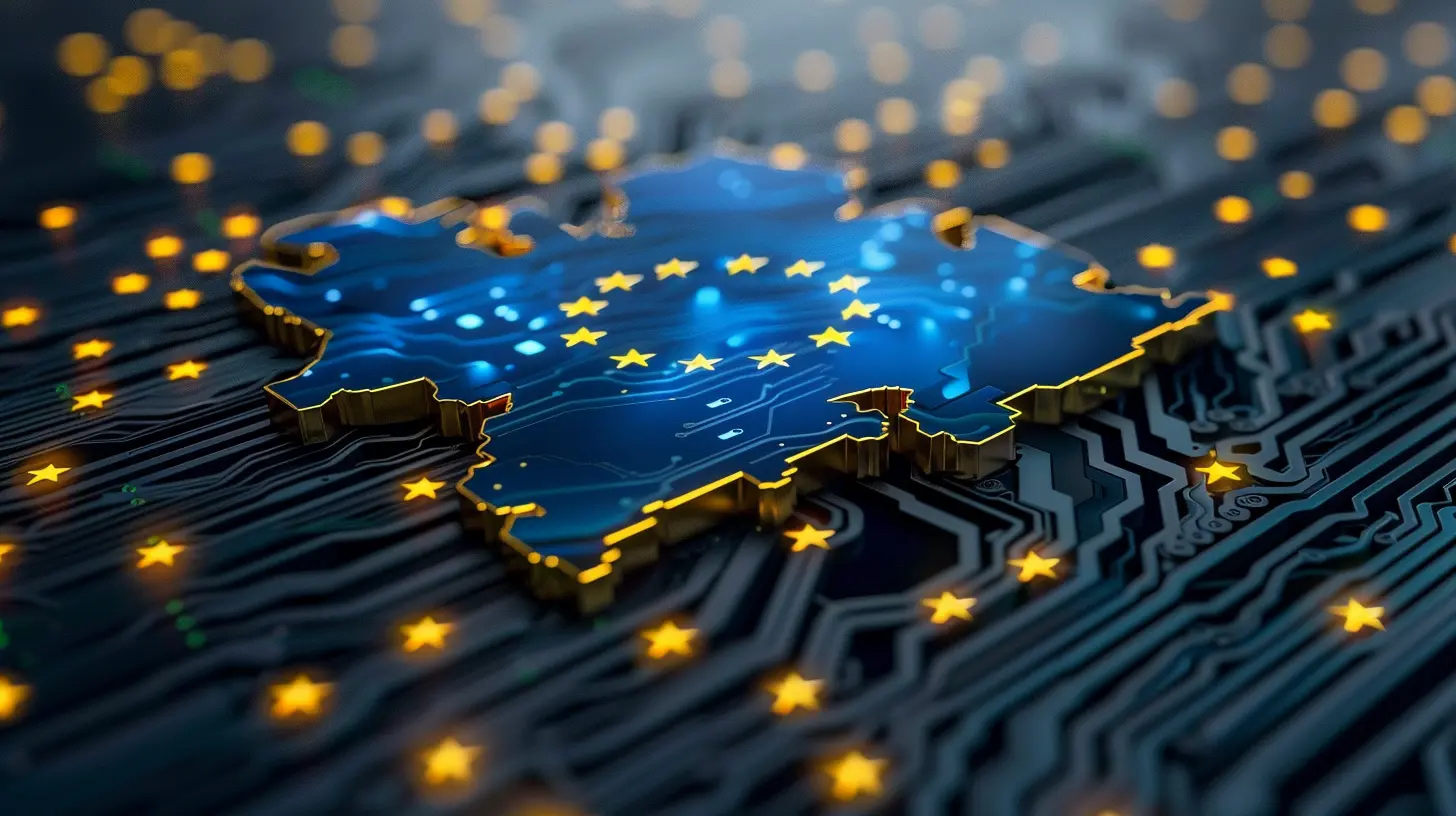
The Core Principles of GDPR (And Why They Matter)
GDPR isn’t just a wall of legal text. It’s built around a few key principles that are actually pretty straightforward once you break them down.1. Lawfulness, Fairness, and Transparency
You have to tell people what data you’re collecting, why, and how you’ll use it. No sneaky backdoor data collection allowed.2. Purpose Limitation
You can’t collect data for one reason and then use it for something totally unrelated. It’s like ordering pizza and getting sushi—nope.3. Data Minimization
Only ask for what you actually need. If you don’t need someone’s favorite color to process their order, don’t ask for it.4. Accuracy
Keep data up to date. Old or incorrect data can mess things up badly, especially in things like healthcare or finance.5. Storage Limitation
Don’t keep data forever. If it’s no longer needed, it should be deleted. Data isn’t wine—it doesn’t get better with age.6. Integrity and Confidentiality
Protect data from hackers, leaks, and internal misuse. If you wouldn’t leave your house key under the mat, don’t leave your data vulnerable either.7. Accountability
You must be able to show that you’re complying with GDPR. So, documenting your processes is a must.
Key Rights GDPR Gives to Individuals
GDPR didn’t just change how companies handle data—it empowered individuals with new rights. Ever heard of the "Right to be Forgotten"? Yep, that’s from GDPR.Here are the major rights under GDPR:
1. Right to Access
People can request a copy of their data. Like asking, “Hey, what do you know about me?”2. Right to Rectification
If data is incorrect, people can ask for it to be corrected.3. Right to Erasure
Also known as the "Right to be Forgotten." People can request their data be deleted completely.4. Right to Restrict Processing
Individuals can ask you to limit how their data is used, even if you keep it.5. Right to Data Portability
People can request their data in a readable format to move it elsewhere.6. Right to Object
If someone doesn’t like how their data is being used, especially for marketing, they can opt-out or object entirely.7. Rights Related to Automated Decision-Making
People can challenge automated decisions made about them (think credit scores or job application AI).GDPR and Data Security: A Tight Partnership
So where does security come into play? Everywhere.One of the biggest goals of GDPR is to ensure that organizations handle personal data securely. That means both technologically (encryption, firewalls, secure databases) and procedurally (staff training, access controls, breach protocols).
? Security Measures Businesses Must Adopt
- Encryption: Masking data so it’s unreadable without the right key.- Access Control: Only authorized people can access sensitive information.
- Pseudonymization: Breaking the connection between data and the person it belongs to (like using codes instead of names).
- Regular Audits: Checking your systems to make sure there are no leaks or vulnerabilities.
- Backup and Recovery Plans: In case disaster strikes—be it cyberattack or natural calamity.
And yes, if a breach does happen, GDPR requires you to report it within 72 hours. That’s barely enough time to rewatch a Netflix series.
Challenges Businesses Face With GDPR
Here's the thing—meeting GDPR requirements isn’t always a walk in the park. Many businesses, especially small ones, struggle with:- Knowing where all their data even lives
- Training employees on data handling
- Keeping up with constant regulatory changes
- Managing consent properly (and legally)
- Building systems that are GDPR-compliant from the ground up
But compliance isn’t optional. Non-compliance can lead to heavy fines—up to €20 million or 4% of your annual global turnover (whichever is higher). Ouch.
Real-World Examples of GDPR in Action
Let’s look at how GDPR has made waves since its debut.1. Google
In 2019, Google was fined €50 million by the French data regulator for lack of transparency and valid consent regarding ad personalization. Even the tech giants aren’t immune.2. British Airways
In 2020, BA faced a penalty of over £20 million for a data breach that exposed personal and payment details of over 400,000 customers.3. H&M
The retail company was fined €35 million for improper surveillance of employees. GDPR isn’t just about customer data—it applies to employee data too.These cases send a clear message: GDPR has teeth.
Steps You Can Take to Stay GDPR-Compliant
Whether you're a solo freelancer or part of a massive tech team, here’s a simple checklist to keep your data practices GDPR-ready:✅ Know What Data You Collect
Create a data inventory. What are you collecting? Why? How long are you keeping it?✅ Get Clear Consent
Use plain language and make it easy to say “yes” or “no.” No tricky pre-checked boxes.✅ Update Your Privacy Policy
Make sure it’s transparent, readable, and easily accessible.✅ Protect That Data
Use encryption, strong passwords, two-factor authentication, and regular security updates.✅ Train Your Team
One uninformed employee can accidentally cause a data disaster. Regular training is non-negotiable.✅ Prepare for Breaches
Have a response plan in case things go south. Know who to contact, what to say, and how to notify impacted users.The Future of GDPR and Global Data Privacy
GDPR set the gold standard for data protection. Since then, other regions have taken notes. For example, California rolled out the CCPA (California Consumer Privacy Act), and more countries are drafting similar rules.As technology grows more powerful—and data even more valuable—privacy regulations are only going to tighten. AI, IoT devices, voice assistants—they all collect data, and future regulations will likely account for that too.
The takeaway? If you're building or growing a business in the digital age, treating data privacy as a foundational principle is no longer optional. It’s smart, ethical, and helps build trust with your users.
Final Thoughts
GDPR isn’t just a box to check—it’s a mindset. It’s about respecting people’s right to control their own information. In a world where data is more valuable than oil, GDPR makes sure we’re not drilling recklessly.So whether you’re a website owner, developer, marketer, or tech enthusiast, understanding GDPR isn’t just helpful—it’s essential. It’s the rulebook for digital trust, and the better you know it, the safer everyone’s data will be.
Let’s do data right.
all images in this post were generated using AI tools
Category:
Data SecurityAuthor:

Reese McQuillan
Discussion
rate this article
1 comments
Juliana Spencer
GDPR is like that strict teacher who catches you passing notes. Sure, it keeps things in check, but sometimes you just want to send a meme without a 10-page consent form. Can we get a little privacy back, please?
June 10, 2026 at 3:22 AM