Unleashing Creativity: Video Editing Tools for Filmmakers
10 July 2026
Let’s be honest—filmmaking is downright magical. It’s that perfect fusion of vision, storytelling, and technical skill that brings raw footage to life. But at the center of it all lies a tool that often doesn’t get the spotlight it deserves: the video editor. If you’re serious about filmmaking, then having the right video editing tools in your creative toolkit is just as important as your camera or storytelling chops.
Whether you're just dipping your toes into the film world or you're a seasoned pro crafting your next indie masterpiece, this article is your go-to guide. We’ll walk through video editing essentials, top tools used by filmmakers, and tips on picking the one that fits you best.
So grab your coffee, sit back, and let’s talk about how to unleash that creative fire.
? Why Video Editing Matters in Filmmaking
Before we dive into the software side of things, let’s step back for a second. Why is editing such a big deal?Well, think of raw footage like clay. Without shaping it, it's just a lump. Editing is where the story really comes together—it’s where you control pacing, emotion, tone, and rhythm. The way a scene flows, how it transitions, the music that underscores a moment—all of that happens in the editing process.
Editing can make or break a film. A good edit can elevate an average story, while a bad one can ruin even the most beautifully shot scenes. So yeah, editing? Kinda important.
?️ What Makes a Great Video Editing Tool?
Alright, onto the fun stuff. With so many editing tools floating around out there, how do you know which one is right for you?Here’s what you should consider:
- Ease of Use: Are you comfortable with the interface, or does it feel like reading hieroglyphics?
- Features & Capabilities: Does it offer color correction, audio editing, effects, or motion graphics?
- Performance: Can it handle 4K or higher footage without crashing your system?
- Workflow Integration: Does it play nice with other tools like After Effects or DaVinci Resolve?
- Cost: Are you looking for something free, or are you okay investing a few bucks?
Remember, there’s no one-size-fits-all tool. The best editor for a vlogger might not cut it for a feature-class filmmaker.
? Top Video Editing Tools for Filmmakers
Let’s take a closer look at some top contenders in the world of video editing.1. Adobe Premiere Pro
Ah, the industry standard. Ask any professional editor and chances are they’ve used Premiere Pro at some point.Why Filmmakers Love It:
- Seamless integration with Adobe Creative Cloud (Photoshop, After Effects, Audition—you name it)
- A timeline that’s intuitive but deep
- Support for virtually every format and codec on the planet
- Tons of tutorials and a massive user community
Downsides:
- It’s subscription-based (monthly cost can add up)
- Can get laggy with larger files unless your system is beefy
If you want flexibility and a tool that grows with you, Adobe Premiere Pro is a powerhouse.
2. Final Cut Pro X
This one’s for you Apple lovers. Final Cut Pro X gives you that sleek Mac-only experience with truly impressive performance.Why It Stands Out:
- Superb performance on Mac devices (optimized for Apple silicon chips)
- Magnetic timeline makes editing fast and intuitive
- One-time purchase—no subscriptions!
- Solid color grading and VR rendering support
But...
- Only available on macOS
- Not as popular for collaborative workflows as Premiere or Avid
Final Cut Pro is perfect for filmmakers who appreciate speed and streamlined design without constantly reaching for the "Force Quit" button.
3. DaVinci Resolve
Say hello to the editing tool that colorists dream about.What Makes It Shine:
- Industry-best color grading tools
- Free version is shockingly powerful
- Fusion tab for motion graphics and visual effects
- Fairlight for pro-level audio editing
Keep in Mind:
- Steeper learning curve
- Needs a powerful system, especially for the Studio version
If you’re someone who geeks out over color correction and wants a full post-production suite in one place, DaVinci Resolve is gold.
4. Avid Media Composer
Avid is that old-school, battle-tested friend that’s been around forever—and for good reason.Why Pros Still Use It:
- Designed for large-scale, collaborative projects (think Hollywood films)
- Stable and reliable for handling huge volumes of footage
- Powerful media management tools
Why It Might Not Be for Everyone:
- Steep learning curve
- Interface can feel... dated
- Pricey compared to newer alternatives
Unless you're planning on editing the next blockbuster in a studio environment, Avid might be overkill—but it’s rock solid if that's your jam.
5. HitFilm Express
If you’re just starting out and want a mix of editing and VFX, HitFilm Express punches way above its weight.Best Features:
- Free version is actually usable
- Built-in special effects great for indie filmmakers
- Easy to learn, even if you’re new to editing
Limitations:
- Can lag on lower-end systems
- Some features are behind a paywall
HitFilm is ideal for creators who love experimenting and want to blend storytelling with cool visual effects… without spending a dime.
6. Lightworks
A bit of a hidden gem, Lightworks has been used in professional productions (ever seen Pulp Fiction?).What’s Cool About It:
- Robust editing features
- Real-time effects and strong export options
- Free version supports up to 720p exports
Points to Ponder:
- UI can be unintuitive at first
- Free version is limited (but still great for practice)
Lightworks is great for filmmakers who want a pro-level editor without the pro-level price tag.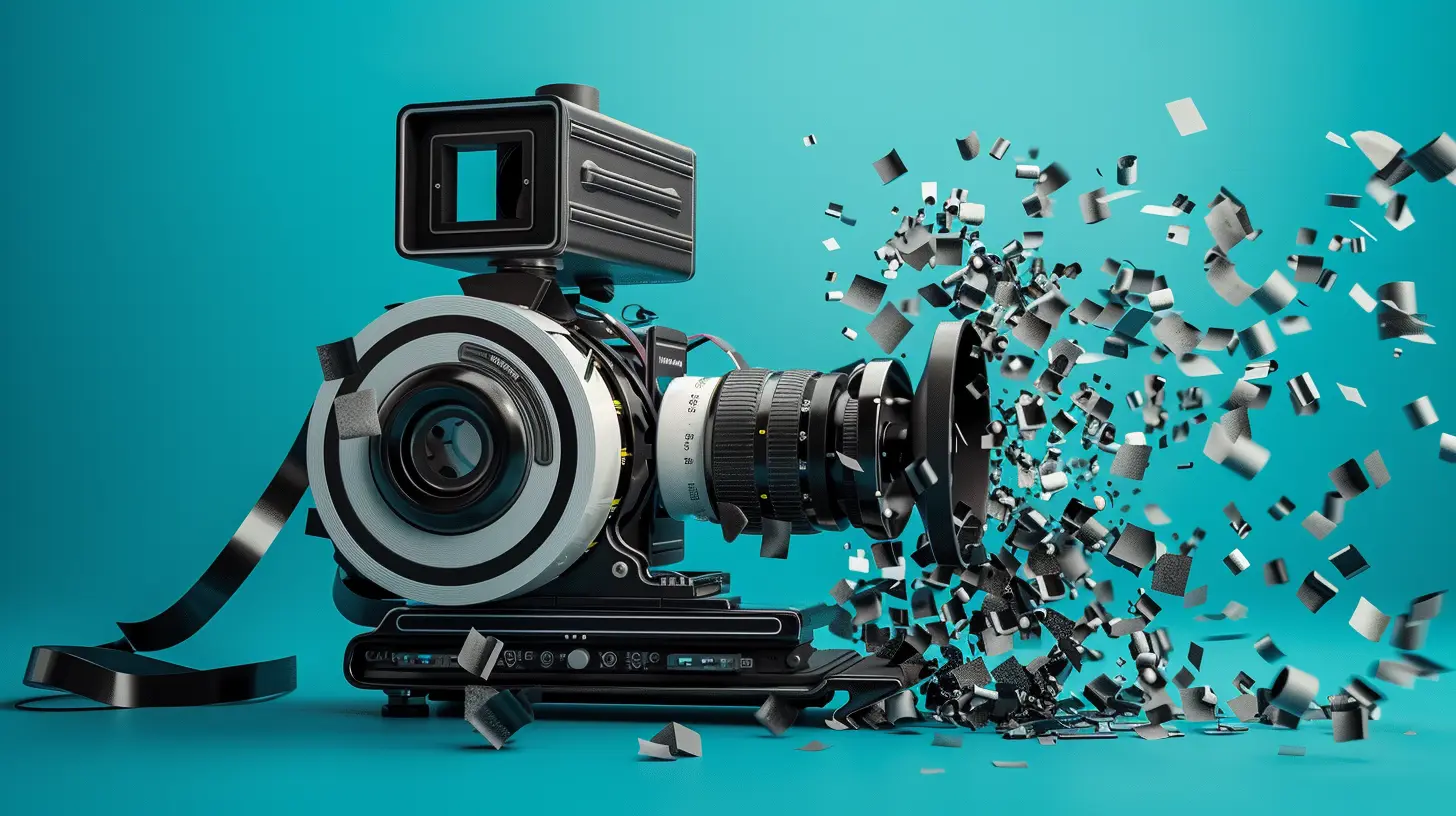
? Enhancing Creativity With Editing Techniques
Okay, you’ve picked your tool. Now what?Let’s talk about how these tools help you unleash your creative voice.
✂️ Cutting on Emotion
Editing isn’t just about trimming clips. It’s about emotion. Think about when to cut—on movement, on a glance, or a deep inhale. You want your audience to feel the shift, not just see it.? Music & Sound Design
A good soundtrack changes everything. Great editors use tools like Premiere and Resolve to blend audio layers, include ambient noise, and time cuts perfectly with beat shifts.? Color Grading for Mood
With tools like DaVinci Resolve, you can transform the vibe of your film with color. Cold blues for isolation, warm tones for nostalgia—it’s all part of the storytelling.? Seamless Transitions
Transitions can set the tone, whether it’s a hard cut for tension or a smooth fade for drama. But don’t go overboard—this isn't your cousin’s wedding slideshow!? Bonus Tools That Make Life Easier
Editing might be the star, but there are plenty of supporting players.- After Effects – For motion graphics and visual FX
- Audition or Audacity – For cleaning up audio
- Media Encoder – For faster rendering and export
- Frame.io – For team collaboration and feedback
These tools plug right into your workflow and help you smooth out the bumps along the editing road.
? How to Choose the Right Tool for You
Still unsure which software deserves a spot on your desktop?Here’s a cheat sheet:
| Category | Best Tool |
|------------------|----------------------------|
| Beginner-Friendly| HitFilm Express, Lightworks|
| Mac Power Users | Final Cut Pro X |
| Color Fanatics | DaVinci Resolve |
| Industry-Standard| Adobe Premiere Pro |
| Blockbuster Pro | Avid Media Composer |
Pick the one that matches your current skill level, budget, and film goals. And don’t be afraid to try a few out—most offer free trials or versions.
? Tips to Maximize Your Editing Workflow
You’ve got the tool. Now, make the most of it:1. Organize Your Files – Label your clips, audio, effects, and music. Trust me, future-you will thank you.
2. Use Proxies for Heavy Footage – Proxy files keep your system running smoothly.
3. Learn Keyboard Shortcuts – It’s a game-changer.
4. Back Up Everything – Cloud + External Drive = Peace of Mind.
5. Keep Learning – YouTube tutorials, online courses, editing forums… there’s always something new.
? Final Cut: Your Story, Your Style
At the end of the day, video editing is less about the software and more about your voice as a filmmaker. The best editing tool is the one that brings your story to life in the most authentic way possible. Don’t get too hung up on features or fan-favorites—focus on what feels natural, what inspires you, and what helps you tell your story the way it’s meant to be told.So go ahead—cut, trim, color, fade, and animate your way into the hearts (and eyes) of your audience.
The canvas is blank. The timeline is open. It’s time to unleash that creativity.
all images in this post were generated using AI tools
Category:
Video Editing ToolsAuthor:

Reese McQuillan