Indiana State Police Harness Cutting-Edge DNA Technology to Tackle Cold Cases
August 21, 2025 - 23:05

It has been 41 years since Darlene Hulse was tragically killed, leaving her case unsolved and her family seeking justice. The cold case unit of the Indiana State Police is now turning to innovative DNA technology in hopes of solving not only Hulse's case but also other long-standing unsolved mysteries.
This new approach utilizes advanced DNA analysis techniques that can extract and analyze genetic material from evidence that may have previously been untestable. By leveraging this technology, investigators aim to uncover vital clues that could lead to breakthroughs in cold cases that have haunted families and communities for decades.
The Indiana State Police is urging the public to come forward with any information that may assist in these investigations. With the potential to solve cases that have remained dormant for years, the department is optimistic that this technological advancement will bring closure to victims' families and restore a sense of justice to the community.
MORE NEWS
August 9, 2026 - 18:31
County agenda features tax, technology and fairgroundsThe meeting will center on how to fund the ongoing fairgrounds project, a long-discussed priority for the county. Officials are expected to review the latest cost estimates and possible revenue...

August 9, 2026 - 00:24
‘AI slop’ crackdown: LinkedIn, Snap target low-quality gen-AI contentSocial platforms are starting to push back against the flood of generic, machine-generated posts, but they are doing so carefully. LinkedIn and Snap have both announced new measures aimed at...

August 8, 2026 - 05:47
Why GigaCloud Technology (GCT) Is Up 21.7% After Strong Q2 Results And New Buyback PlanGigaCloud Technology saw its stock surge 21.7% in early trading following the release of its second-quarter financial results and the announcement of a new capital return program. The company...
August 7, 2026 - 22:40
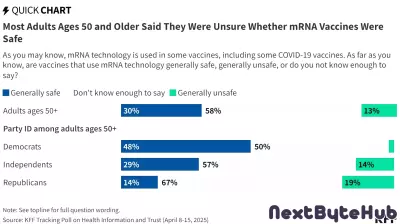
As FDA Approves First-Ever mRNA Flu Vaccine For Older Adults, Past KFF Polling Showed Most In This Age Group Were Uncertain About the Technology’s SafetyOn August 5, 2026, the U.S. Food and Drug Administration gave the green light to the first messenger RNA flu vaccine for adults aged 50 and older. The decision came after a clinical trial involving...