Blockchain’s Impact on the Future of Digital Ownership
24 March 2026
If someone told you that you'd one day own a piece of the internet—a slice of the digital world—you’d probably laugh it off. But here we are. Welcome to the era of digital ownership, and at the heart of this revolution is blockchain technology.
You've probably heard the buzz—NFTs, cryptocurrencies, smart contracts. But there's a bigger picture forming, and it’s reshaping how we think about ownership in a digital-first world. Whether it’s art, music, real estate, or even your Twitter handle, blockchain is changing how we store, verify, and transfer ownership.
Let’s dive into how blockchain is impacting the future of digital ownership—and why you should care.
What Even Is Digital Ownership?
Let’s break it down. Digital ownership means having control over a digital asset—like a photo, a domain name, or a piece of music—in a way that’s provable and secure. It’s not just about using it; it’s about having verifiable rights. And until recently, ownership online was kinda murky.For example, sure, you can buy a song on iTunes. But you don't really "own" it. Apple can revoke your access under certain conditions. You’re renting, not owning. That’s where blockchain crashes the party and flips the table.
Enter Blockchain: The Trust Machine
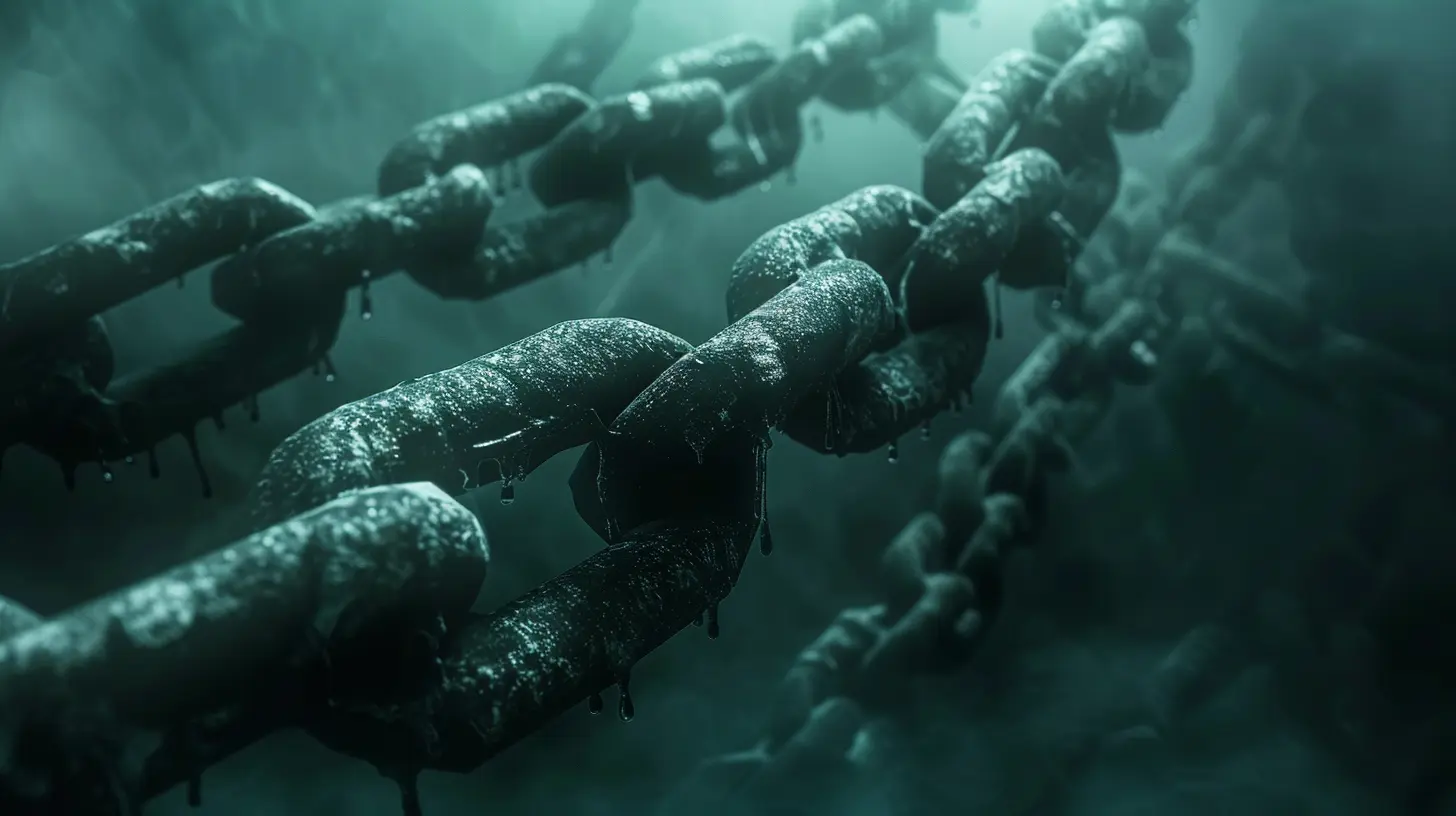
Imagine a ledger—like an old-school accountant’s book—but it’s digital, decentralized, and can’t be tampered with. That’s blockchain in a nutshell. It records information in blocks, chains them together, and makes them viewable to everyone—but changeable by no one.That’s what makes blockchain the perfect candidate for managing digital ownership. It brings trust to a space where “fake it till you make it” used to thrive.
Why Blockchain Works So Well For Ownership
- Decentralization: No middlemen. You’re not relying on a company (looking at you, Facebook) to tell you what’s yours.- Transparency: Anyone can see the record, ensuring authenticity.
- Security: It's practically hack-proof due to its cryptographic nature.
- Immutability: Once something is on the blockchain, it stays there. Forever.

NFTs – Just Hype or a New Era?
We can't talk digital ownership without talking about NFTs (Non-Fungible Tokens). As confusing as they sound, NFTs are digital certificates of ownership stored on a blockchain—usually Ethereum.So, when someone buys an NFT of a piece of art, what they’re really getting is a unique token that proves they own that art (or a limited version of it). Think of it like owning an original signed poster versus downloading the same image off Google.
Real-World Use Cases of NFTs
- Art and Collectibles: Artists like Beeple are selling digital artwork for millions. No galleries. No middlemen.- Gaming: In-game items are now tradable NFTs. You can own a sword in a video game and sell it like a baseball card.
- Music: Musicians are issuing albums as NFTs, giving fans exclusive rights or content.
- Virtual Real Estate: Platforms like Decentraland allow people to buy, sell, and lease virtual land.
This isn’t just some crypto kid flexing memes—this is a new digital economy taking shape.

The Creator Economy Is About to Level Up
Remember those days when content creators earned peanuts while platforms made millions? Yeah, blockchain is rewriting that narrative.Creators can now directly monetize their work. No need for YouTube’s 45% cut or Spotify’s sad pennies per stream. Blockchain makes it possible for people to sell their work, earn residuals through smart contracts, and directly connect with their audience.
Smart Contracts = Programmable Ownership
One of the coolest parts of blockchain is smart contracts. Think of them as digital "if-this-then-that" agreements. They're automatically executed when the conditions are met.Say a photographer sells an NFT. With a smart contract, they can automatically get 10% of every future resale. This means creators don’t just earn once—they earn forever.
📌 That’s like an artist getting paid every time their painting changes hands. Total game-changer, right?
Digital Identity & Personal Data
Now, let’s talk about something even more personal—YOU. Your data, your ID, your reputation online. Currently, it’s fragmented all over the internet. Google has some of it, Facebook has more, and random apps have bits and pieces.But blockchain introduces the idea of self-sovereign identity—you control your digital identity through the blockchain. You decide what to share, with whom, and when.
No more leaking your entire life just to sign up for a newsletter. Wouldn’t that be refreshing?
The Role of Tokenization
Tokenization is a fancy word, but it simply means turning a physical or non-physical asset into a digital token on a blockchain.You can tokenize anything: real estate, stocks, even loyalty points at your favorite coffee shop. Each token represents your ownership or share of that asset. It makes investing more accessible and secure.
Imagine owning a fraction of a Picasso or a beachfront house in Hawaii—without needing to be a billionaire. That’s the power of tokenization.
Ownership in the Metaverse
Ah yes, the metaverse. It’s not just a Zuckerberg fever dream. It’s coming, and blockchain is the backbone making it functional.In the metaverse, you’ll own virtual clothes, real estate, art, and even event tickets—all as digital assets on a blockchain. These items won’t be tied to one platform either. Your avatar’s jacket bought in one game could be worn in another.
We’re talking about an interoperable digital world where your digital assets are truly yours—no platform gatekeeping.
Legal and Regulatory Hurdles
Now, let’s pump the brakes for a sec. With all the excitement, there are still real-world challenges.- Copyright Issues: Just because a digital item is on a blockchain doesn’t mean the original creator gave permission.
- Scams & Fraud: Fake NFTs and pump-and-dump schemes are still rampant. If you’re not careful, it’s easy to get burned.
- Regulations: Governments are still trying to catch up. The wild west vibe is slowly being tamed with new laws around crypto and blockchain assets.
So while the possibilities are epic, it’s important to proceed with a bit of caution. The future’s bright, but it’s not without its glitches.
Pros vs Cons of Blockchain-Based Digital Ownership
Here’s a quick breakdown to keep things real:| Pros | Cons |
|------|------|
| True Ownership | Legal ambiguity |
| Peer-to-peer transactions | Tech literacy required |
| Global market access | Energy consumption (in some cases) |
| Creator royalties | Scams / lack of regulation |
| Transparency & trust | Volatile asset values |
It’s Bigger Than Just Tech – It’s a Mindset Shift
The shift that blockchain brings isn’t just technological—it’s cultural. We’re moving from a rent-based digital economy to an ownership-driven one. That puts power into the hands of individuals, not just big companies.📢 It empowers creators, gamers, collectors, investors, and even casual users. We're not just surfing the web anymore—we're starting to own pieces of it.
What’s Next? Predictions and Possibilities
Let’s wrap this up with a few crystal-ball moments:1. Mainstream Adoption: Expect NFTs and digital wallets in everyday apps. Your Facebook account might become a wallet too.
2. Physical-Digital Blends: We’ll see more fusion between real-world assets and digital ones. Think sneakers that come with a matching NFT.
3. Workplace Shifts: Blockchain-based credentials could replace résumés, and gig workers may use smart contracts for secure payments.
4. Evolving Laws: Governments will catch up, and frameworks will become clearer, making it safer for more people to jump in.
5. Universal Digital IDs: Say goodbye to logging into 20 platforms. Your blockchain ID could be your passport on the web.
Final Thoughts
Blockchain isn’t just another tech trend. It’s a transformative force reshaping how we define value and ownership in the digital age.It’s early days, sure. Like the internet in the '90s, things are clunky, weird, and full of wild promises. But just like that first email or dial-up modem, it’s laying the groundwork for something massive.
So whether you’re a creator, a gamer, a collector, or just someone curious about what comes next—keep your eyes on blockchain. It’s not just about crypto. It’s about reclaiming ownership in a digital world that’s been run by platforms for too long.
You own what you create. You own what you buy. And finally, you can prove it.
all images in this post were generated using AI tools
Category:
Blockchain TechnologyAuthor:

Reese McQuillan
Discussion
rate this article
2 comments
Ardyn Valentine
Blockchain technology is poised to revolutionize digital ownership by providing secure, transparent, and immutable records. This shift could empower individuals with true ownership of digital assets, transforming industries from art to real estate and enhancing trust in digital transactions.
March 27, 2026 at 5:07 AM
Reese McQuillan
Thank you for your insightful comment! Indeed, blockchain’s ability to ensure secure and transparent digital ownership is set to reshape various industries, fostering greater trust and empowerment for individuals.
Juliet McGinnis
Great insights on blockchain's potential! It’s fascinating to see how it can reshape digital ownership. Excited to learn more about its possibilities!
March 26, 2026 at 3:45 AM
Reese McQuillan
Thanks for your thoughts! I'm glad you found the insights valuable. The future of digital ownership with blockchain is indeed exciting. Stay tuned for more developments!