The Best Laptops for Cybersecurity Professionals: Speed, Security, and Storage
18 June 2026
When it comes to cybersecurity, not just any laptop will cut it. You’re going to need a machine that packs a punch—think of it like your digital armor. Speed, security, and storage aren’t just buzzwords here—they’re mission-critical.
Whether you're analyzing threats, diving into penetration testing, or running virtual labs, having the right laptop can make or break your productivity (and maybe your sanity). So, let’s cut through the clutter and talk about what really matters: the best laptops for cybersecurity pros like you—and why they’re worth your attention.
Why Cybersecurity Pros Need Specialized Laptops
Let’s be honest—cybersecurity work isn’t the same as browsing cat memes or writing reports in Word. You're dealing with heavy-duty tools like Kali Linux, Wireshark, VMs, and maybe even cracking passwords or forensics. That means you need power under the hood.Plus, you're the gatekeeper of security. If your own device is vulnerable, well... that's a big red flag, right? So, here’s what really matters:
- Speed: Multitasking with VMs, running scans, or handling large datasets demands a fast processor and generous RAM.
- Security: Built-in encryption, biometric logins, and secure boot options are your best friends.
- Storage: With massive logs and system images to store, SSDs (and plenty of them) are non-negotiable.
Key Features to Look For in a Cybersecurity Laptop
Before we jump into the list of top laptops, let’s quickly break down what to look for—like your own personal laptop checklist.1. Processor (CPU)
You’re going to want an Intel i7 or higher, or AMD Ryzen 7 or above. These chips allow you to run multiple VMs and resource-heavy tools without breaking a sweat.2. RAM
The more, the better. For serious cybersecurity work, aim for at least 16GB of RAM, and if you’re a VM-heavy user, 32GB is ideal.3. Storage
Forget HDDs. You want SSD—minimum 512GB, but 1TB+ is the sweet spot, especially if you’re saving large datasets.4. Security Features
Think TPM chips, fingerprint scanners, facial recognition, and hardware-level encryption. These make your data as secure as Fort Knox.5. Portability vs Power
This one's personal. Need to travel a lot? Go lighter. Building your home lab? You can go for a beast of a machine with less worry about weight.
The Best Laptops for Cybersecurity Professionals in 2024
Now that you're geared up with the essentials, let’s dive into the real deal—these are the top laptops cybersecurity experts are swearing by in 2024.1. Lenovo ThinkPad X1 Carbon Gen 11
Why it's great: The ThinkPad series is basically the Swiss Army knife of laptops. It's sleek, reliable, and has a business-grade build with hardcore security features.- CPU: Intel Core i7 13th Gen
- RAM: Up to 32GB
- Storage: 1TB SSD
- Display: 14" WUXGA
- Battery Life: 15+ hours
- Security Features: TPM 2.0, Match-on-Chip fingerprint reader, optional IR camera for facial recognition
This machine is light enough for travel but doesn’t skimp on power. Perfect if you’re constantly shuffling between client sites, coffee shops, and your home lab.
2. Apple MacBook Pro (M2 Pro, 2023)
Why it's great: Okay, hear me out—yes, Apple isn't traditionally the go-to for cybersecurity work, but the new MacBooks with the M2 Pro chip are insane in performance and battery life.- CPU: Apple M2 Pro (10-core CPU / 16-core GPU)
- RAM: 16GB (configurable up to 32GB)
- Storage: Up to 2TB SSD
- Display: 14.2” Liquid Retina XDR
- Battery Life: Up to 18 hours
- Security Features: Secure Enclave, Touch ID, T2 chip
You might need to tweak things for compatibility (like running Linux in a VM), but for tools like Burp Suite or Wireshark, it’s seamless. Plus, that battery life? Chef’s kiss.
3. Dell XPS 15 (2023)
Why it's great: The Dell XPS line is powerhouse meets elegance. It's like the tuxedo of laptops—with enough muscle for pen testing and running multiple VMs.- CPU: Intel Core i7 or i9 (13th Gen)
- RAM: Up to 64GB
- Storage: Up to 2TB SSD
- Display: 15.6” 3.5K OLED or 4K UHD+
- Battery Life: 10-12 hours
- Security Features: Fingerprint sensor, TPM
Ideal for serious multitasking and cybersecurity labs, especially if you like working across multiple desktops and tools.
4. Framework Laptop (DIY Edition)
Why it's great: This is for the cybersecurity purists—the ones who like to rip things apart and customize every inch of their machine.- CPU: Intel Core i7 13th Gen
- RAM: Configurable up to 64GB
- Storage: Up to 4TB SSD
- Display: 13.5” 2256x1504
- Battery Life: 8-10 hours
- Security Features: Hardware kill switches for mic & camera, open firmware
This laptop is built for repairability and customization, which makes it a dream for professionals who want total control over their hardware.
5. HP Elite Dragonfly G3
Why it's great: Ultra-light, very secure, and built with business users in mind. If you’re constantly on-the-go but still need reliable performance and top-tier security, this one’s for you.- CPU: Intel Core i7 (12th Gen)
- RAM: Up to 32GB
- Storage: 1TB SSD
- Display: 13.5” FHD+
- Battery Life: Up to 14 hours
- Security Features: Sure View privacy screen, TPM, fingerprint scanner, facial recognition
You can run full cybersecurity toolkits, connect securely to enterprise networks, and still slip it into a backpack without feeling like you’re carrying bricks.
6. Razer Blade 15 Advanced
Why it's great: Gamers aren’t the only ones who can enjoy powerful GPUs. This beast is also excellent for cyber pros who deal with GPU-accelerated password cracking or graphical tools.- CPU: Intel Core i9
- RAM: 32GB
- Storage: 1TB SSD
- GPU: NVIDIA RTX 3070 / 3080
- Display: 15.6” QHD 240Hz
- Battery Life: Around 6-7 hours
- Security Features: TPM 2.0, Kensington lock, Windows Hello
Great for home labs or hybrid pros who want to mix in some gaming after busting open a red team assignment.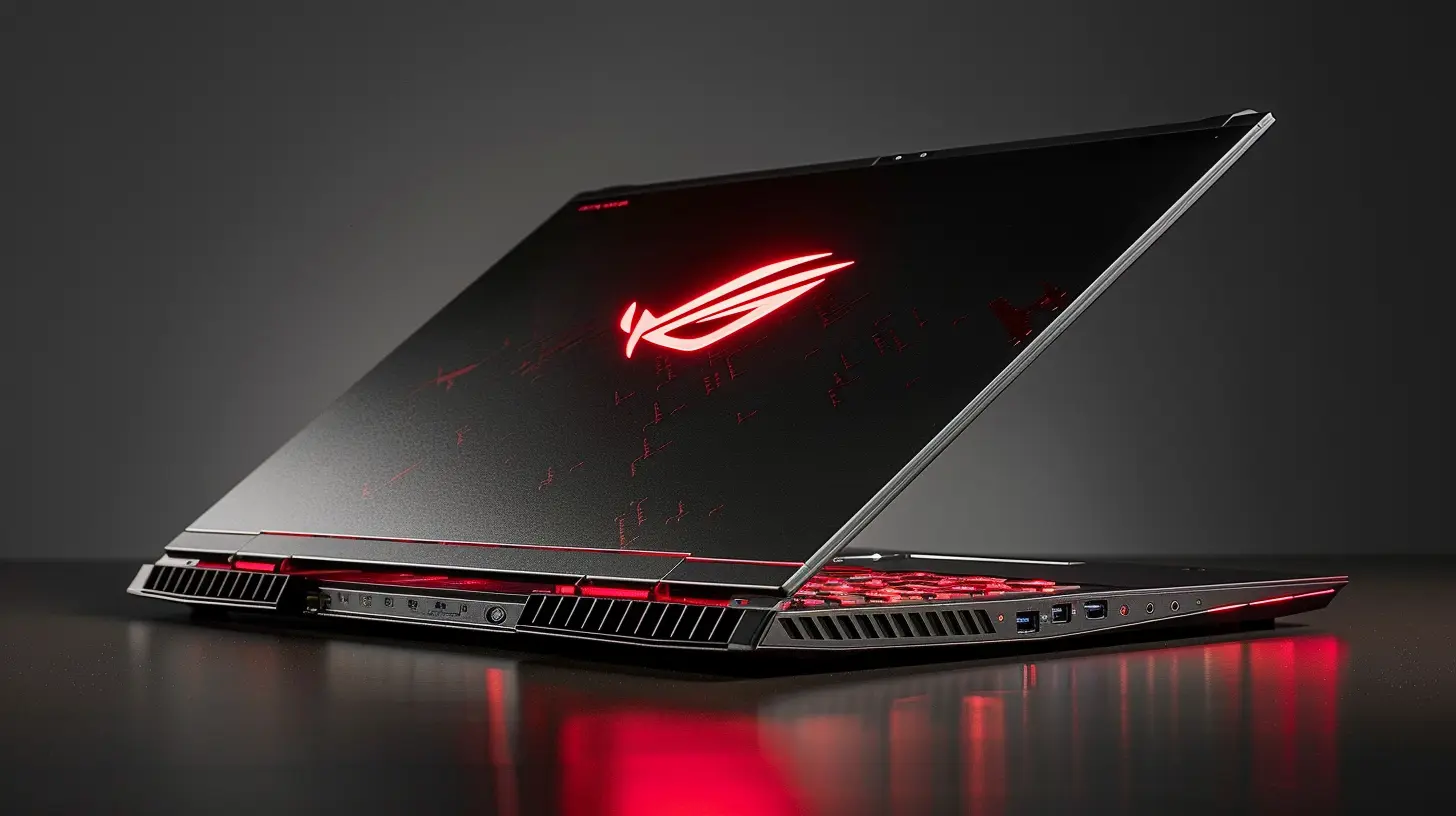
Bonus: Best Budget Laptop for Cybersecurity Students
7. Acer Aspire 5 (AMD Ryzen 7)
Why it's great: If you're just starting out in cybersecurity or need a secondary machine, this one’s surprisingly capable for its price.- CPU: AMD Ryzen 7 5700U
- RAM: 16GB
- Storage: 512GB SSD
- Display: 15.6” Full HD
- Battery Life: 10 hours
- Security Features: Fingerprint reader, TPM firmware
Sure, it’s not going to run 10 VMs at once, but for scripting, packet sniffing, and ethical hacking basics—it punches above its weight.
Tips When Buying a Cybersecurity Laptop
So you’ve got your eyes on a few of these contenders—but how do you make the final pick? Here are some quick-fire tips:- Always check Linux compatibility if you plan to dual-boot or run Kali natively.
- Prioritize upgradability: Can you easily upgrade RAM or storage later?
- Choose a manufacturer with solid customer support, especially when you’re investing big $$$.
- Don’t skimp on battery life if travel is a part of your life.
Final Thoughts: Your Laptop Is Your Digital Katana
Picking a laptop for cybersecurity isn’t just a tech decision—it’s a career decision. Think of your laptop as your digital katana. You want it sharp, reliable, light in your hands, and ready to go to battle.The good news is, you’ve got amazing options in 2024. Whether you’re a blue team defender, a red team hacker, or somewhere in between—there’s a laptop that’ll fit your needs like a glove.
Make your choice wisely. And then go chase those breached systems, analyze those packets, and secure the cyberspace like the digital ninja you are.
all images in this post were generated using AI tools
Category:
Laptop ReviewsAuthor:

Reese McQuillan
Discussion
rate this article
1 comments
Patrick Myers
Every cybersecurity pro needs a laptop that can keep up. Forget the fluff; it's all about raw power and robust security features. The right tech not only boosts efficiency but also safeguards sensitive data. Invest wisely and stay ahead of threats.
June 21, 2026 at 3:55 AM