The Evolution of Smartphone Operating Systems: What You Need to Know
27 December 2025
Smartphones are everywhere, right? You've probably got one in your hand or pocket right now. But have you ever stopped to think about how far they’ve come—not just in terms of sleek designs or camera quality—but the software running under the hood? I’m talking about smartphone operating systems (OS). These unseen masterminds are what make our phones smart.
In this article, we’re gonna take a deep dive into how smartphone operating systems have evolved over time. We'll chat about the early days, the big players in the game, major turning points, and what the future might hold. So, if you’ve ever wondered how we went from those clunky, button-filled devices to the AI-powered supercomputers we carry today, buckle up.
What Exactly is a Smartphone Operating System?
First, let’s get something straight—what is a smartphone OS anyway?Think of it like a brain for your phone. It’s the software layer that sits between your apps and the hardware. It tells your phone how to run apps, manage memory, connect to Wi-Fi, and even how to vibrate when your crush texts you. Without it? Your phone's basically a brick with a fancy screen.
Some OS names you’ve probably heard of: Android, iOS, maybe even Windows Mobile or Blackberry if you’re a bit nostalgic.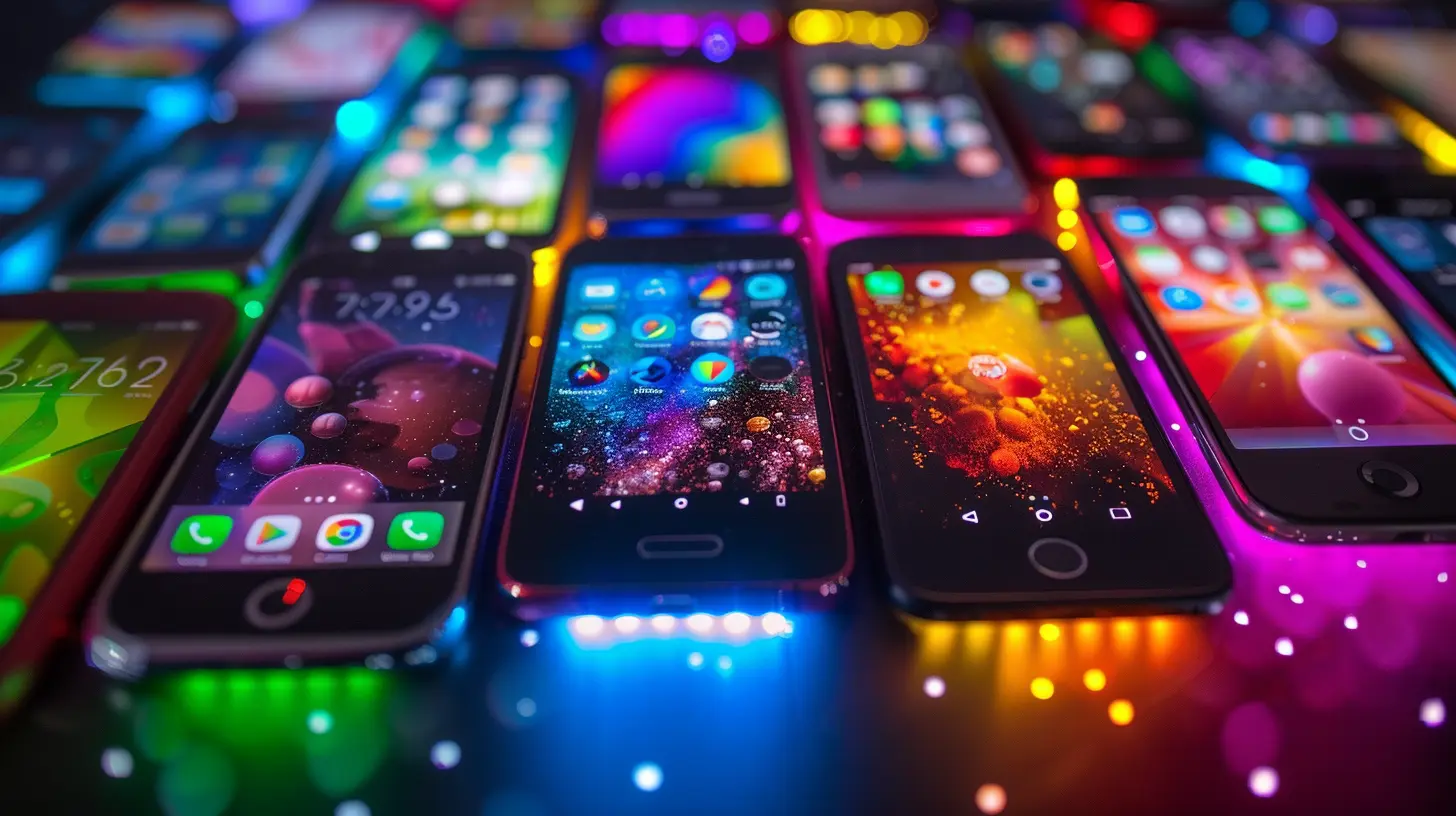
The Humble Beginnings: Before iOS and Android
Before the iPhone and Android revolution, mobile phones had their own thing going on. The late 90s and early 2000s were filled with operating systems that were more about functionality than flair.1. Symbian OS
Remember Nokia? At one point, it was the king of mobile phones. Most of Nokia’s phones ran on Symbian OS. Developed in the late ‘90s, Symbian was a pioneer. It supported multitasking and was super efficient on battery life—a big deal back then.But, man, was it clunky. Developers found it hard to create apps for it, and eventually, as smartphones got smarter, Symbian struggled to keep up.
2. BlackBerry OS
Ah, BlackBerry—the choice of every executive and cool kid from the early 2000s. Their OS was secure, fast, and optimized for keyboard devices. Emails were its strength, but multimedia and modern app support? Not so much. As touchscreens became the rage, BlackBerry just couldn’t transition smoothly.
The Game Changers Arrive: iOS and Android
Now, here’s where the real shake-up started. In 2007, Steve Jobs stepped onto the stage and introduced the iPhone—and with it, iOS. A year later, Google launched Android. And just like that, the mobile landscape changed forever.iOS: Simplicity Meets Performance
Apple’s iOS was a breath of fresh air. Clean interface, intuitive gestures, and an App Store that set the standard. Developers loved it because they only had to design for a few devices. Users loved it because… well, it just worked.iOS focused on simplicity and a seamless experience. Over the years, Apple added features like Face ID, Siri, widgets, and even some customization for those who want more control.
Android: Open and Everywhere
Android, on the other hand, took a different approach. It’s open-source, which means manufacturers like Samsung, OnePlus, and others could tweak it to their liking.This gave Android the edge in variety—you can find Android phones at almost every price point. It’s also super customizable. You don’t like your home screen? Change it. Want third-party apps? No problem.
But this flexibility comes with a trade-off—fragmentation. There are dozens of Android versions floating around, and not all phones get timely updates.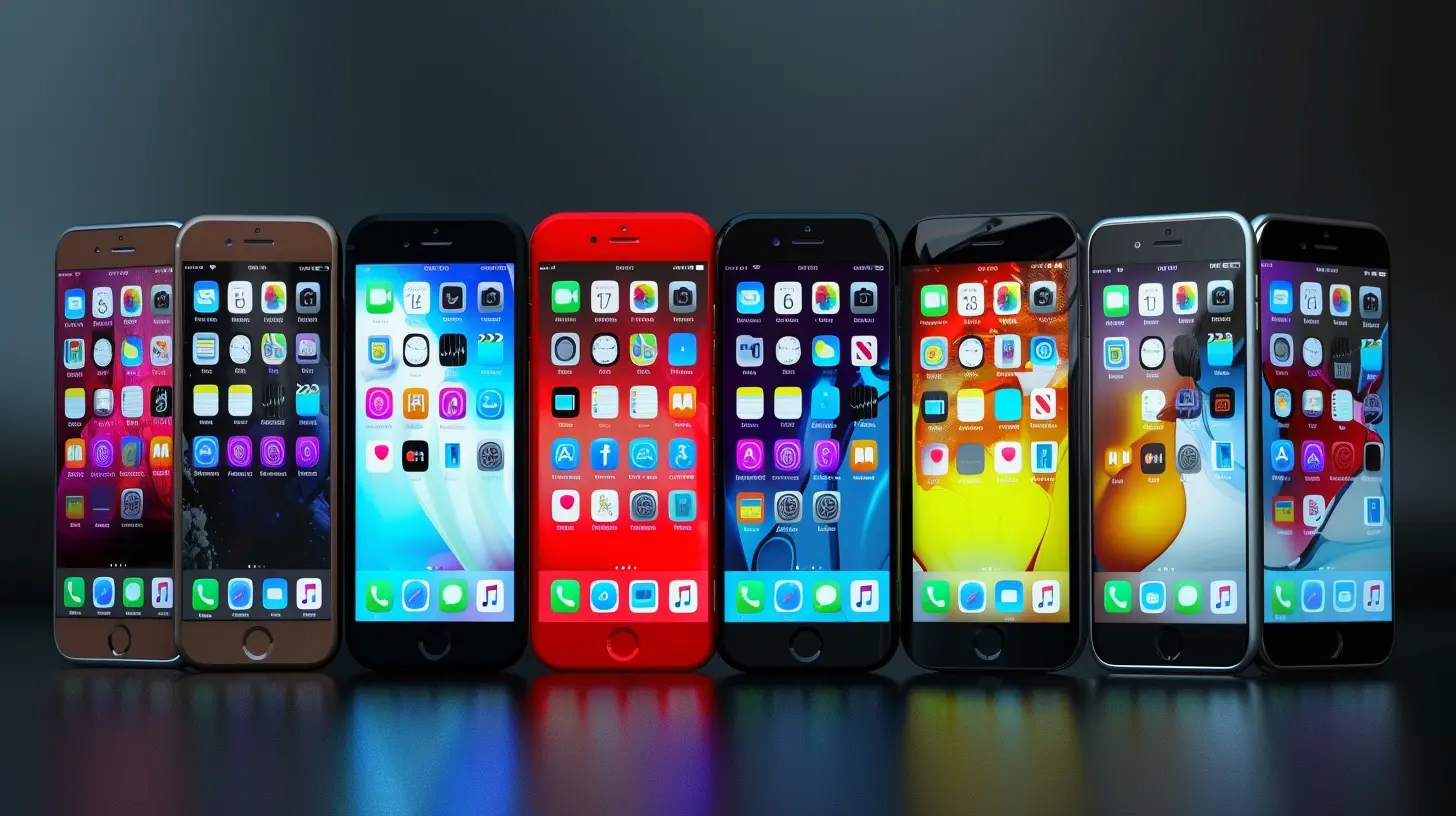
Other Notable Mentions (RIP to These Legends)
Windows Mobile / Windows Phone
Microsoft tried. Really, they did. Windows Phone had a unique tile-based interface, great integration with Office, and snappy performance. But lack of apps and poor marketing were its downfall. Developers just didn’t see the potential, and users moved on.Palm OS / webOS
Before smartphones, Palm OS was a beast in the PDA world. Eventually, it transitioned into webOS, which had some really cool features like card-based multitasking way before it was cool. Sadly, it never found a stable home. HP bought it, fumbled with it, and it faded into obscurity.The Rise of the App Ecosystem
Here’s something we don't think about enough: the success of a smartphone OS is tied closely to its app ecosystem.Both iOS and Android realized early on that apps are everything. Whether it's social media, banking, gaming, or fitness—people want apps. That’s why they opened up their platforms to third-party developers and built solid, easy-to-use SDKs (software development kits).
And boy, did it pay off.
Today, the App Store and Google Play Store have millions of apps. Developers make entire careers building for these platforms. It’s not just about the OS anymore—it’s about what you can do with it.
Key Milestones in OS Evolution
Let’s hit pause and look at some of the pivotal moments in smartphone OS history:- 2007: First iPhone launches with iOS 1. No App Store yet, but a touch interface that changed everything.
- 2008: Android 1.0 debuts on the HTC Dream. It’s rough around the edges but full of potential.
- 2009-2011: Android gains traction, introducing features like copy-paste, multi-touch, and better notification systems.
- 2013: iOS 7 drops with a major UI overhaul—flat design is now the trend.
- 2017: iOS 11 adds ARKit; Android Oreo introduces picture-in-picture and better battery controls.
- 2020 and beyond: AI and machine learning become core to the OS experience—think Siri, Google Assistant, and smart suggestions.
Security and Privacy: Big Priorities
As we’ve become more dependent on our phones, privacy and security have taken center stage.Apple has leaned heavily into privacy, making it a key selling point. You’ve probably seen those “What happens on your iPhone, stays on your iPhone” ads. Features like App Tracking Transparency and on-device Siri processing show how serious Apple is.
Android has made big privacy strides too, especially with newer versions like Android 12 and 13. Permissions management, background activity limits, and encrypted backups are all part of the conversation now.
The Future of Smartphone Operating Systems
So where are we headed with smartphone OS platforms?1. AI Everywhere
One thing’s clear: AI is becoming baked into the OS itself. Personalized suggestions, smarter voice assistants, and predictive text? That’s just the beginning. The OS of the future will know what you want—maybe even before you do.2. Foldables and Dual Screens
Operating systems have to adapt to foldable phones and dual-screen devices. This means rethinking app layouts, multitasking, and touch gestures. Android has already started with features like Flex Mode, and iOS may follow suit.3. Cross-Platform Harmony
People don’t just use one device anymore. You’ve got a phone, a tablet, a laptop, a smartwatch—maybe even a smart fridge. The modern OS is heading towards seamless integration across devices. Apple’s ecosystem is already doing this well, and Google’s catching up fast.4. More Modular and Cloud-Based Architectures
Future OS systems may rely more on the cloud. Imagine booting up a new phone and instantly pulling in your apps, settings, and preferences—without skipping a beat. Modular systems could even allow users to swap out core components of the OS like widgets or interfaces.Choosing the Right Smartphone OS
If you're picking a new phone and can't decide between iOS and Android, here's a quick guide:| Feature | iOS (Apple) | Android (Multiple Brands) |
|------------------------|--------------------------------------------------|--------------------------------------------------|
| Ease of Use | Very user-friendly | Varies by brand |
| Customization | Limited | Extensive |
| Updates | Timely and frequent | Depends on manufacturer |
| App Availability | Slightly better quality control | Wider variety |
| Device Variety | Limited (iPhone only) | Tons of options across price ranges |
| Ecosystem Integration | Excellent with other Apple devices | Improving with Google services |
| Privacy Focus | Strong | Getting better, especially in latest versions |
Final Thoughts
Smartphone operating systems have come a long way, haven’t they? From the clunky days of Symbian and BlackBerry to the polished ecosystems of iOS and Android, the journey has been nothing short of incredible.The OS you choose shapes your entire mobile experience. It’s not just about what apps you can install or how the screen looks—it’s about how your phone becomes a part of your daily life.
As technology continues to evolve, one thing’s for sure: your smartphone OS is only going to get smarter. Whether you're team Android or team iPhone, it’s a great time to be alive in the mobile world.
all images in this post were generated using AI tools
Category:
SmartphonesAuthor:

Reese McQuillan
Discussion
rate this article
2 comments
Andrea McPherson
OS evolution: from bricks to wizards!
January 19, 2026 at 2:00 PM
Reese McQuillan
Thank you! It's fascinating to see how far we've come—from basic functionality to intuitive, user-friendly interfaces that feel almost magical!
Stacey McGarvey
The evolution of smartphone operating systems highlights a shift towards user-centric design, seamless integration, and advanced security features, reflecting our growing reliance on mobile technology in everyday life.
December 27, 2025 at 1:52 PM
Reese McQuillan
Thank you for your insightful comment! Indeed, user-centric design, integration, and security are crucial as smartphones become integral to our daily lives.