The Future of Smart Displays in Enhancing Home Automation
5 July 2026
Imagine walking into your house, and everything just... happens. Lights adjust to your mood, the thermostat knows your comfort level, security cameras keep a vigilant eye, your favorite playlist kicks in—all without lifting a finger. Welcome to the world of home automation powered by smart displays.
But here’s the real twist: the humble screen you once used to watch cooking videos is now the nerve center of your smart home. Yep, smart displays are no longer just glorified digital photo frames—they’re becoming the unsung heroes of futuristic living.
Let’s dive into the mysterious and evolving world of smart displays and uncover how they’re quietly shaping the future of home automation.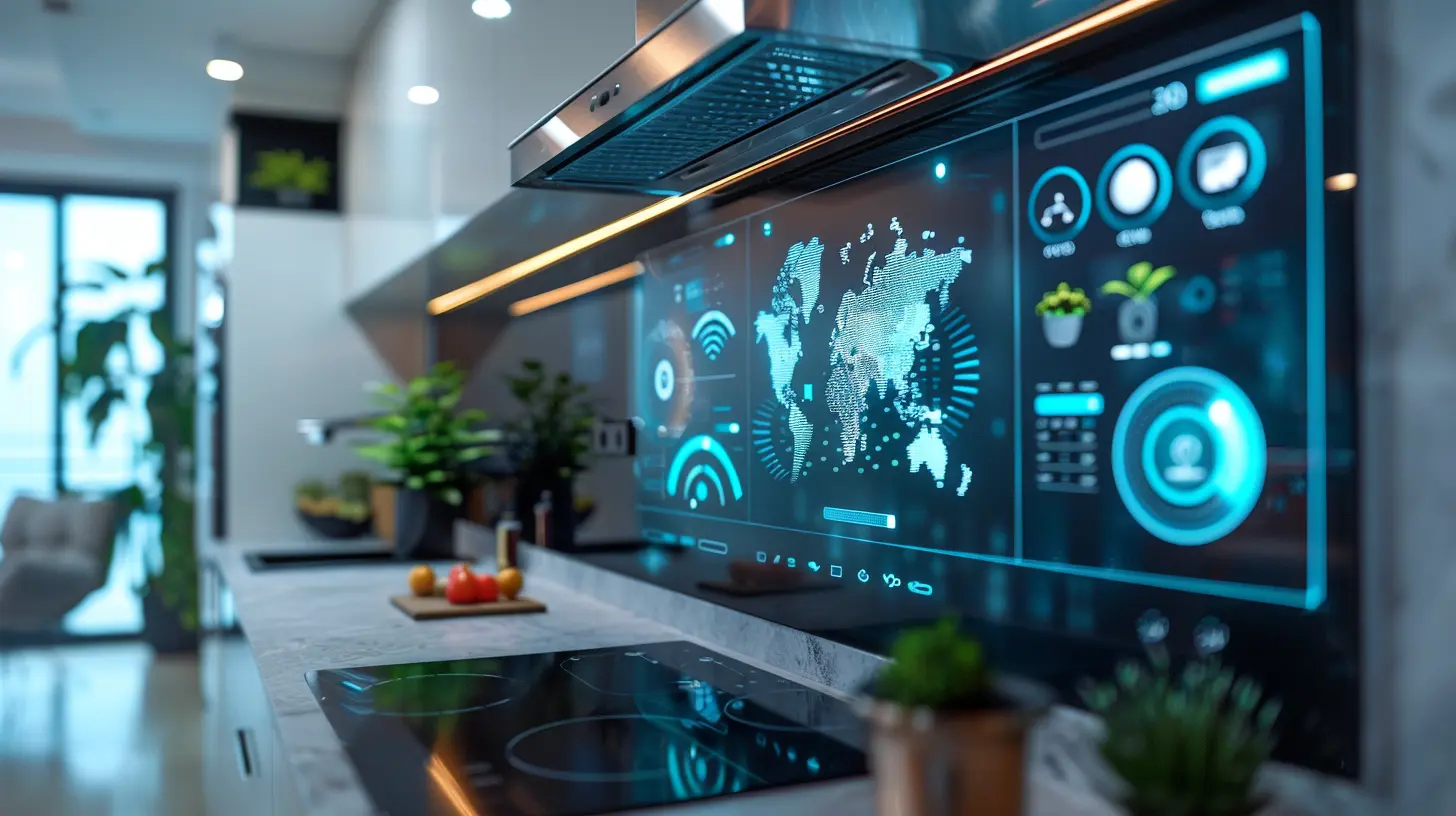
What Exactly Are Smart Displays?
In simple terms, smart displays are voice-controlled devices with a touchscreen interface. Think Echo Show, Google Nest Hub, or Lenovo Smart Display. They combine the skills of a smart speaker with the visual aid of a screen. So instead of Alexa just telling you the weather, she shows it to you—complete with hourly breakdowns, forecasts, and even a radar map.Now, stack that with the ability to control every smart device in your home... and suddenly, this little screen becomes your home’s command center.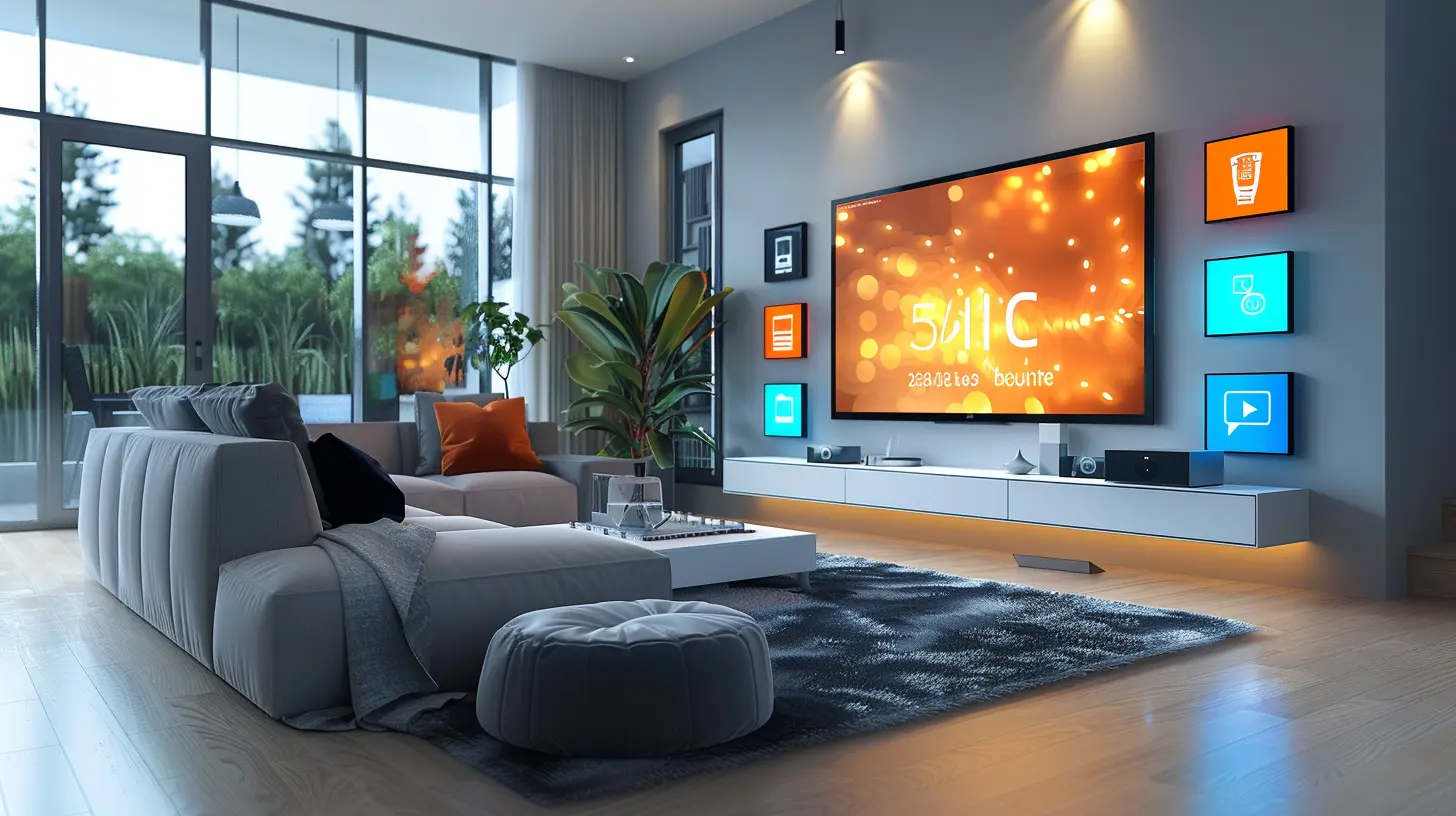
The Evolution: From Gimmick to Central Hub
When smart displays first hit the market, let’s be honest—they seemed like cool novelties. Sure, you could watch YouTube while cooking, set timers, or view your calendar. Nothing revolutionary.But fast forward to today? They’re linking up with more smart devices than ever—from locks to lights to fridges—and this is only the beginning. What was once a sidekick is now the lead character in your home automation story.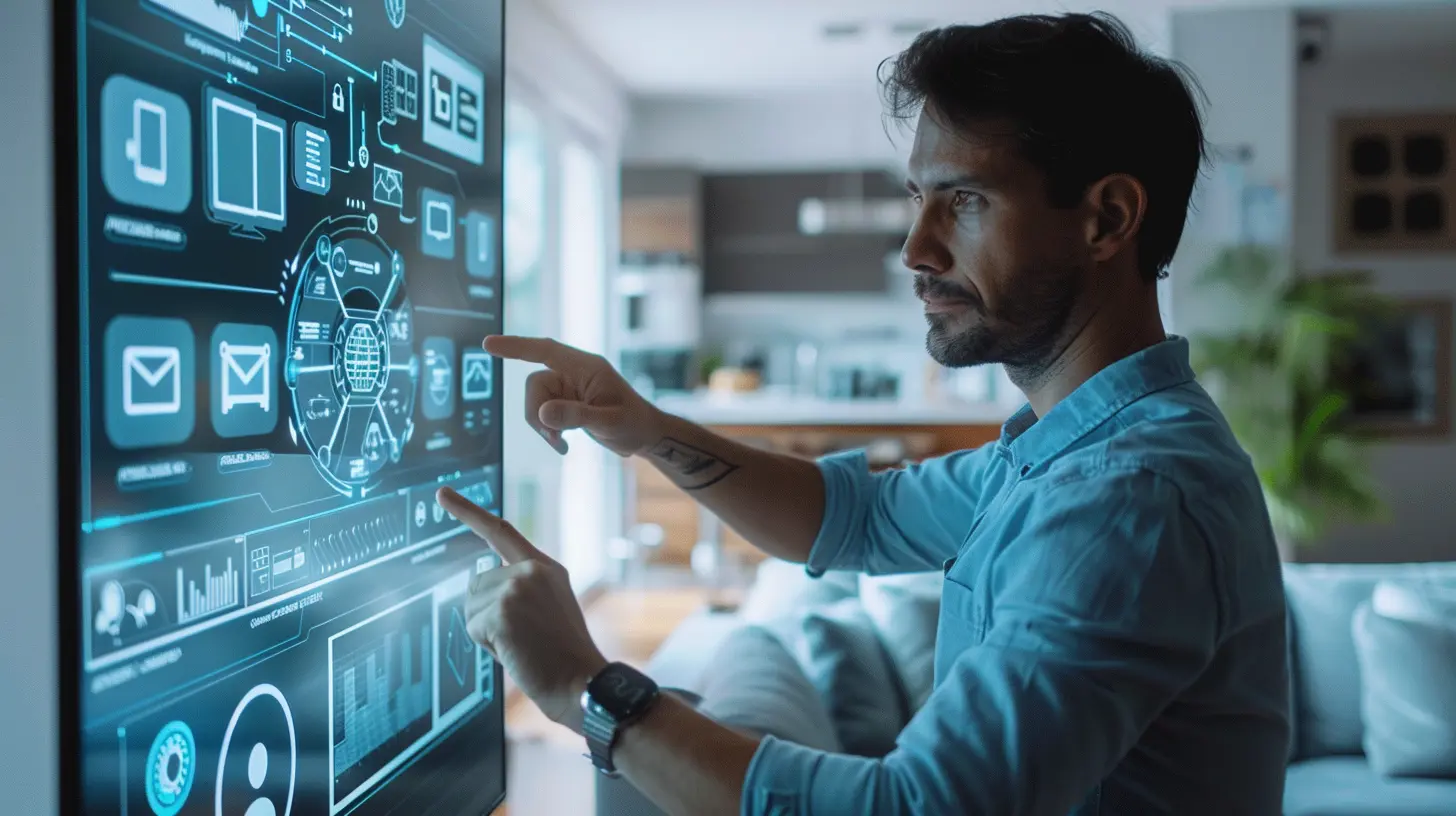
Why Smart Displays Are Game-Changers for Home Automation
1. All-in-One Control Center
Think of smart displays as your home’s digital cockpit. You don’t need 10 different apps to manage your thermostat, lights, speakers, and security system. With a single glance or tap, you're in control.And with features like dashboards that show what’s happening across your devices in real time, managing your home becomes insanely efficient.
2. Real-Time Feedback & Visual Cues
Here’s where the screen really shines—pun intended. Voice commands are great, but visual feedback? That’s next level. You can:- View your security cameras.
- Monitor energy usage.
- Get reminders and alerts visually.
- See who’s at the front door before you answer.
It adds a layer of depth that voice-only assistants simply can’t offer.
3. Better Integration with AI
Smart displays are the perfect playgrounds for AI. With built-in machine learning, they learn your habits over time. Like waking you up gently with a gradual light increase, showing your morning schedule, and suggesting a breakfast recipe based on your dietary preferences.And we haven't even scratched the surface of what AI-infused automation can do in the next five years.
The Mysterious Role of Voice + Vision
Why are smart displays so powerful? It's all about the combination of voice and vision. Voice is fast and hands-free, but it’s not always precise. Screens give that extra layer of clarity.For instance, try asking your smart speaker to show you a list of your security footage from the last 24 hours. Without a screen, that's a nightmare to navigate. But with a smart display? Just a quick swipe and click.
Sometimes, it’s not about speaking or touching—having both available just makes sense.
Emerging Features That Will Blow Your Mind
Let’s talk future. The next-gen smart displays are coming, and they're bringing some seriously cool (and borderline creepy) tech with them.1. Gesture Recognition
Imagine controlling your smart home with a wave of your hand. No talking, no touching. Just Jedi-style gestures. This tech is already being tested in mobile devices and smart TVs—smart displays are next.2. Facial Recognition
Before you freak out—yes, privacy is a concern. But used responsibly, facial recognition can personalize your home experience. Walk up to your smart display and have it:- Greet you by name.
- Show your schedule.
- Suggest Netflix shows based on your preferences.
It’s like your very own digital butler.
3. Advanced Home Mapping
Future smart displays might act like mini control towers, with 3D maps of your home showing the status of every connected device in real-time. It’s like having a Sims-style view of your house—lights, locks, doors—all visible and manageable from one screen.Integration: The Backbone of Smart Display Power
The true magic of smart displays isn’t just their fancy features—it’s how they tie everything together.Compatibility Is King
Today’s smart displays are getting insanely good at playing nice with other gadgets. From Z-Wave and Zigbee to Matter (the new smart home standard), these devices are becoming universal translators for your tech.That means your Philips Hue lights, Nest cam, Samsung fridge, and Sonos speaker can all chat with each other—through your smart display.
Custom Routines FTW
Set up routines like “Good Morning” that:- Turn on the lights.
- Start your coffee machine.
- Raise the blinds.
- Show you the morning news and weather.
All triggered by a simple “Hey [Assistant], good morning.”
It’s not automation. It’s orchestration.
Voice Assistants: The Real Brains Behind the Screen
Let’s not forget what’s powering all this brilliance—voice assistants like Alexa, Google Assistant, and Siri. These AI engines are getting smarter, more conversational, and more context-aware.With NLP (Natural Language Processing) reaching new heights, your smart display isn't just responding to commands; it's understanding intent. You can say:
? “Play something relaxing.”
Instead of just guessing, it might ask:
? “Do you want music, a nature video, or a guided meditation?”
That’s next-level intelligence.
The Security Frontier
You knew we had to talk about it—privacy and security. The idea of a smart display with cameras, microphones, and facial recognition can feel a bit... Orwellian.But manufacturers are responding with:
- Physical camera shutters.
- Microphone mute buttons.
- Local data processing.
- End-to-end encryption.
In the end, the trade-off is about convenience versus control. But with stronger regulation and user awareness, we’re headed in a direction that balances both.
What’s Coming in the Next 5 Years?
Let’s peek into the crystal ball. Based on current trends, we’ll likely see:? 1. Ambient Intelligence
Smart displays that don’t just react—they anticipate. Imagine your display suggesting you open windows before it rains, or turning off the oven if it senses you’re not home.That’s not a wish. That’s within reach.
? 2. Full-Home Interfaces
Smaller, modular smart displays spread across your house—always connected, always aware. Think Iron Man’s J.A.R.V.I.S. but on your walls, mirrors, and appliances.? 3. Hyper-Personalization
Your smart display could become an extension of you—learning your habits, preferences, even your mood (via biometric sensors), and adjusting your home environment accordingly.We’re talking lights, scents, music—tailored to your state of mind.
Should You Upgrade Today?
If your home is just dipping its toes into the smart life, it might feel like smart displays are more luxury than necessity. But here’s the thing—they unify the chaos. They're like the air traffic controllers of your smart home, making sure everything runs smoothly.Whether you're all-in on automation or just starting out, having one central hub—especially one that lets you see, not just hear—makes a world of difference.
And honestly? It’s kinda fun to talk to your house.
Final Thoughts: The Magic Behind the Glass
Smart displays aren’t just gadgets—they’re becoming companions, organizers, and gatekeepers to your home. As they grow smarter, more intuitive, and deeply integrated with our daily lives, they’ll soon be indistinguishable from the home itself.They’re not just part of the home automation evolution. They are the evolution.
So next time you glance at that flat little screen on your kitchen counter, remember: it's not just showing you a recipe. It’s quietly running the show behind the scenes—and the future is only getting smarter.
all images in this post were generated using AI tools
Category:
Smart DisplaysAuthor:

Reese McQuillan