The Importance of Redundancy in Data Center Uptime
21 January 2026
In today's digital-driven world, data centers are the backbone of everything we do online. From streaming your favorite show to processing financial transactions, these massive hubs of servers keep things running smoothly. But what happens when a data center goes down? Chaos. Downtime can be disastrous, leading to lost revenue, unhappy customers, and even permanent damage to a business's reputation.
That’s where redundancy comes into play. A well-designed redundancy strategy ensures that even if something fails, there’s a backup system ready to take over without a hitch. Let's dive deep into why redundancy is critical for data center uptime and how it saves businesses from catastrophic failures. 
What Is Redundancy in a Data Center?
Redundancy in data centers refers to the duplication of critical components—power supplies, networking, cooling systems, and even entire servers—to ensure continuous operation in case of failure. Think of it as having a spare tire in your car. If you get a flat, you don’t have to stop your journey—you simply replace it and keep going.There are different levels of redundancy, typically classified using the N, N+1, 2N, and 2N+1 models:
- N (No Redundancy): The bare minimum infrastructure needed to operate. If something fails, downtime is inevitable.
- N+1 (Basic Redundancy): One backup component for each critical system. If one part fails, there's a standby ready.
- 2N (Full Redundancy): A complete duplicate of all essential systems. Even if an entire system fails, the backup takes over seamlessly.
- 2N+1 (High Availability): Fully redundant systems with an extra backup. This is the gold standard for mission-critical operations.
The level of redundancy a data center chooses depends on its reliability needs and budget. 
Why Is Redundancy Crucial for Data Center Uptime?
1. Prevents Costly Downtime
Downtime is expensive. According to industry reports, the average cost of IT downtime is around $9,000 per minute. That's not just a financial burden—it can damage a company’s reputation and erode customer trust. Redundancy ensures that even if something breaks, operations continue uninterrupted.2. Ensures Business Continuity
Imagine an e-commerce platform going down during Black Friday. Without redundancy, a server failure could cost millions in lost sales. With proper failover systems in place, customers wouldn’t even notice an issue.3. Protects Against Hardware Failures
Hardware failures are inevitable. Servers, power supplies, and cooling systems don’t last forever. A redundant setup means that if one server crashes, another instantly takes its place, preventing disruptions.4. Mitigates Cybersecurity Risks
Cyberattacks, power outages, and even human errors can bring down data centers. Redundant systems, especially in geographically diverse locations, provide an added layer of protection against such unexpected threats.5. Maintains Compliance and SLA Commitments
Many industries have strict regulations regarding uptime. Financial institutions, healthcare providers, and cloud service providers must maintain near-perfect availability. Redundancy helps them meet Service Level Agreements (SLAs) and adhere to industry regulations.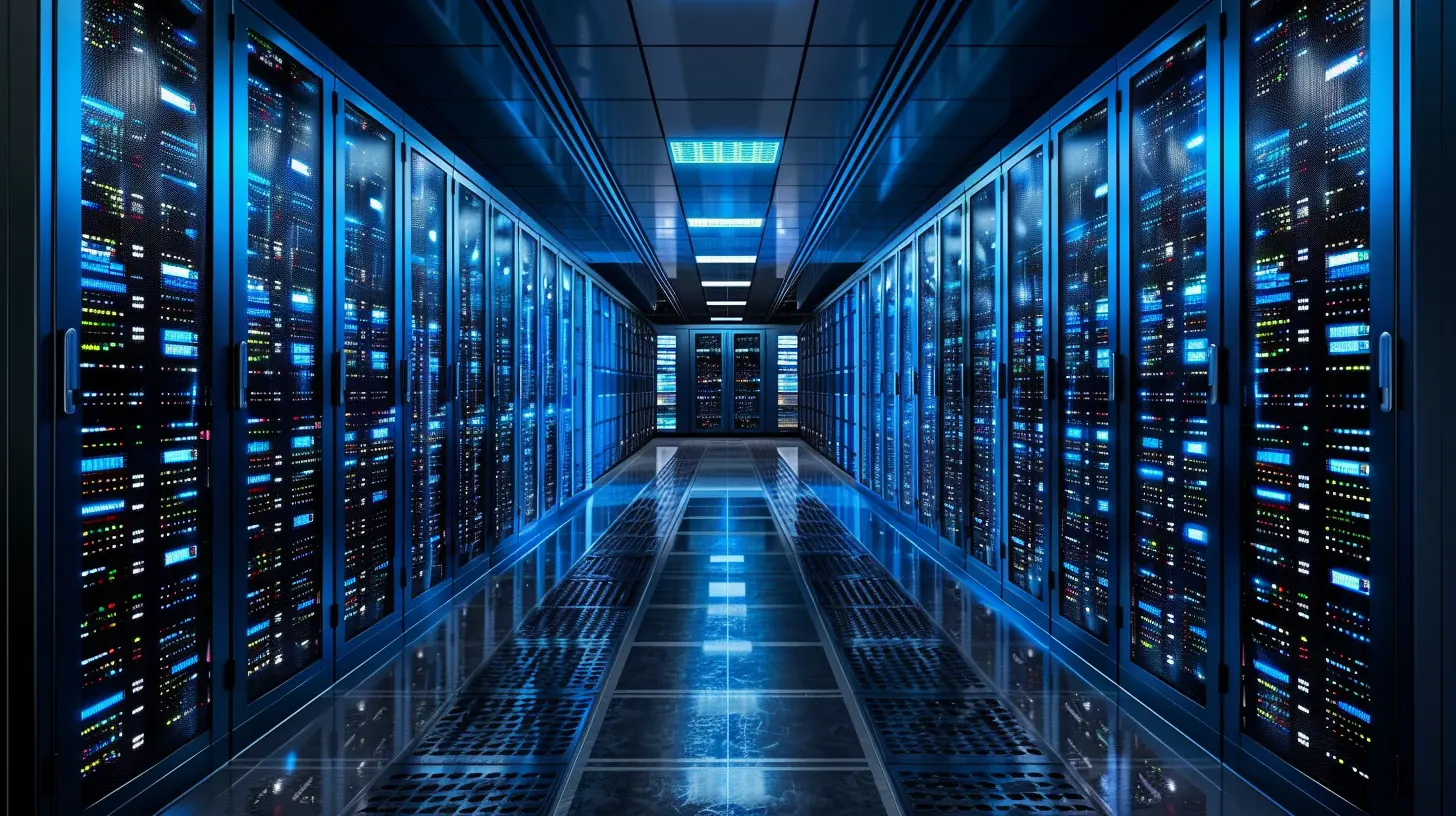
Types of Redundancy in Data Centers
1. Power Redundancy
Imagine a data center suddenly losing power—thousands of servers going dark. That’s why backup power solutions like Uninterruptible Power Supplies (UPS), diesel generators, and dual power grids are crucial. These systems ensure power failures don’t lead to data loss or prolonged outages.2. Network Redundancy
Single points of failure in networking can cripple a data center. Redundant internet connections, routers, and load balancers ensure that if one link fails, traffic is instantly rerouted through another path.3. Cooling System Redundancy
Servers generate massive amounts of heat. If the cooling system fails, temperatures rise rapidly, potentially causing hardware damage. Backup cooling systems like dual HVAC units and liquid cooling mechanisms prevent overheating.4. Data Redundancy (Backup & Replication)
Data redundancy means storing copies of critical data across multiple locations. Strategies like RAID (Redundant Array of Independent Disks), cloud replication, and real-time data mirroring ensure that even if a hard drive crashes, no data is lost.5. Geographic Redundancy
For businesses that require 99.999% uptime, having data centers in multiple geographical locations is essential. If an earthquake or power grid failure takes out one center, another can seamlessly take over operations.
Real-World Consequences of Poor Redundancy
Amazon Web Services (AWS) Outage
Even tech giants aren’t immune. In 2021, AWS suffered a massive outage due to power redundancy failures. Businesses running on AWS saw their services go offline, affecting millions of users worldwide.Facebook’s 2021 Downtime
Facebook, Instagram, and WhatsApp went down for over six hours due to a faulty update with no proper failover strategy in place. This cost Facebook millions in lost ad revenue and left billions of users frustrated.Delta Airlines' IT Meltdown
In 2016, a power failure in one of Delta Airlines' data centers led to a system-wide failure. Flights were grounded, passengers stranded, and the company lost nearly $150 million due to the downtime.Best Practices for Implementing Data Center Redundancy
1. Conduct Regular Risk Assessments
Identify single points of failure and address them before they become catastrophic.2. Invest in Automated Failover Systems
Automation ensures that if a system fails, the backup takes over instantly—no manual intervention needed.3. Use Multiple Data Centers
Distribute workloads across multiple locations to mitigate regional risks like natural disasters.4. Perform Frequent Testing and Drills
Regularly test backup systems to ensure they work when needed. A backup system is only useful if it actually kicks in during an emergency.5. Choose Reliable Infrastructure Providers
Partner with data center providers known for high availability and robust redundancy strategies.Final Thoughts
Redundancy isn’t just a luxury—it’s a necessity for any business that relies on uninterrupted digital operations. Without it, a single failure could lead to devastating financial and reputational losses. By implementing multi-layered redundancy strategies, businesses can enjoy peace of mind, knowing that their systems will remain online, resilient, and secure, no matter what happens.The bottom line? Redundancy is like an insurance policy for your data center—you hope you never need it, but when disaster strikes, you’ll be grateful you have it.
all images in this post were generated using AI tools
Category:
Data CentersAuthor:

Reese McQuillan
Discussion
rate this article
2 comments
Piper Abbott
Critical for reliability; redundancy ensures continuous data center operations.
February 7, 2026 at 1:57 PM
Reese McQuillan
Absolutely, redundancy is essential for maintaining uptime and ensuring that operations remain uninterrupted, even during unexpected failures.
Niva Dodson
Redundancy isn’t optional; it’s an imperative. In today’s digital landscape, downtime is unacceptable—investing in redundancy is investing in reliability and customer trust. Don’t compromise!
January 21, 2026 at 3:18 AM
Reese McQuillan
Absolutely agree! Redundancy is crucial for ensuring uninterrupted service and maintaining customer trust in our digital age. Thank you for emphasizing its importance!