‘AI slop’ crackdown: LinkedIn, Snap target low-quality gen-AI content
August 9, 2026 - 00:24

Social platforms are starting to push back against the flood of generic, machine-generated posts, but they are doing so carefully. LinkedIn and Snap have both announced new measures aimed at reducing what many users call "AI slop" - the repetitive, low-effort articles, images, and replies that have been clogging feeds over the past year. The goal is not to outlaw generative AI tools, but to keep them from drowning out human voices.
LinkedIn, which has seen a sharp rise in AI-written career advice and thought-leadership posts, says it will start demoting content that appears to be mass-produced or lacks original insight. The platform is tweaking its ranking algorithms to spot patterns like overly generic language, recycled talking points, and posts published at unusually high frequency. Snap, meanwhile, is focusing on its Spotlight and Stories features, where AI-generated filters and captions have become a nuisance. The company plans to label content that was clearly created with automation and to reduce its reach in discovery feeds.
Neither company is calling for a ban on AI tools. In fact, both have built their own generative features for paying users. The shift is more about quality control. Platforms are walking a tightrope: they want to keep the efficiency and creativity that AI can offer, but they also need to protect the authenticity that keeps users engaged. Early tests show that demoting obvious AI slop can cut complaint rates by a noticeable margin, but the challenge is that detection is never perfect. Some human-written posts get flagged by mistake, while some AI content slips through. Still, the message is clear - if you are going to use AI to post, make it worth someone's time.
MORE NEWS

August 8, 2026 - 05:47
Why GigaCloud Technology (GCT) Is Up 21.7% After Strong Q2 Results And New Buyback PlanGigaCloud Technology saw its stock surge 21.7% in early trading following the release of its second-quarter financial results and the announcement of a new capital return program. The company...
August 7, 2026 - 22:40
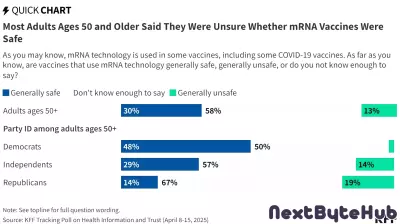
As FDA Approves First-Ever mRNA Flu Vaccine For Older Adults, Past KFF Polling Showed Most In This Age Group Were Uncertain About the Technology’s SafetyOn August 5, 2026, the U.S. Food and Drug Administration gave the green light to the first messenger RNA flu vaccine for adults aged 50 and older. The decision came after a clinical trial involving...

August 7, 2026 - 10:27
'Preparing learners to adapt': What Nebraska parents can expect around AI technology in schoolsThe Nebraska Department of Education held a workshop on Thursday to brief the state board on a new set of recommendations for using artificial intelligence in classrooms. The guidance is not a...

August 6, 2026 - 18:07
UTIC marks 10 years of undersea technology collaborationThe Undersea Technology Innovation Consortium is celebrating its tenth anniversary this year, and it is doing so with a fresh brand identity that signals a major shift in its role. What began as a...