China launches new war on deserts with technology tested on far side of the moon
May 17, 2026 - 07:09
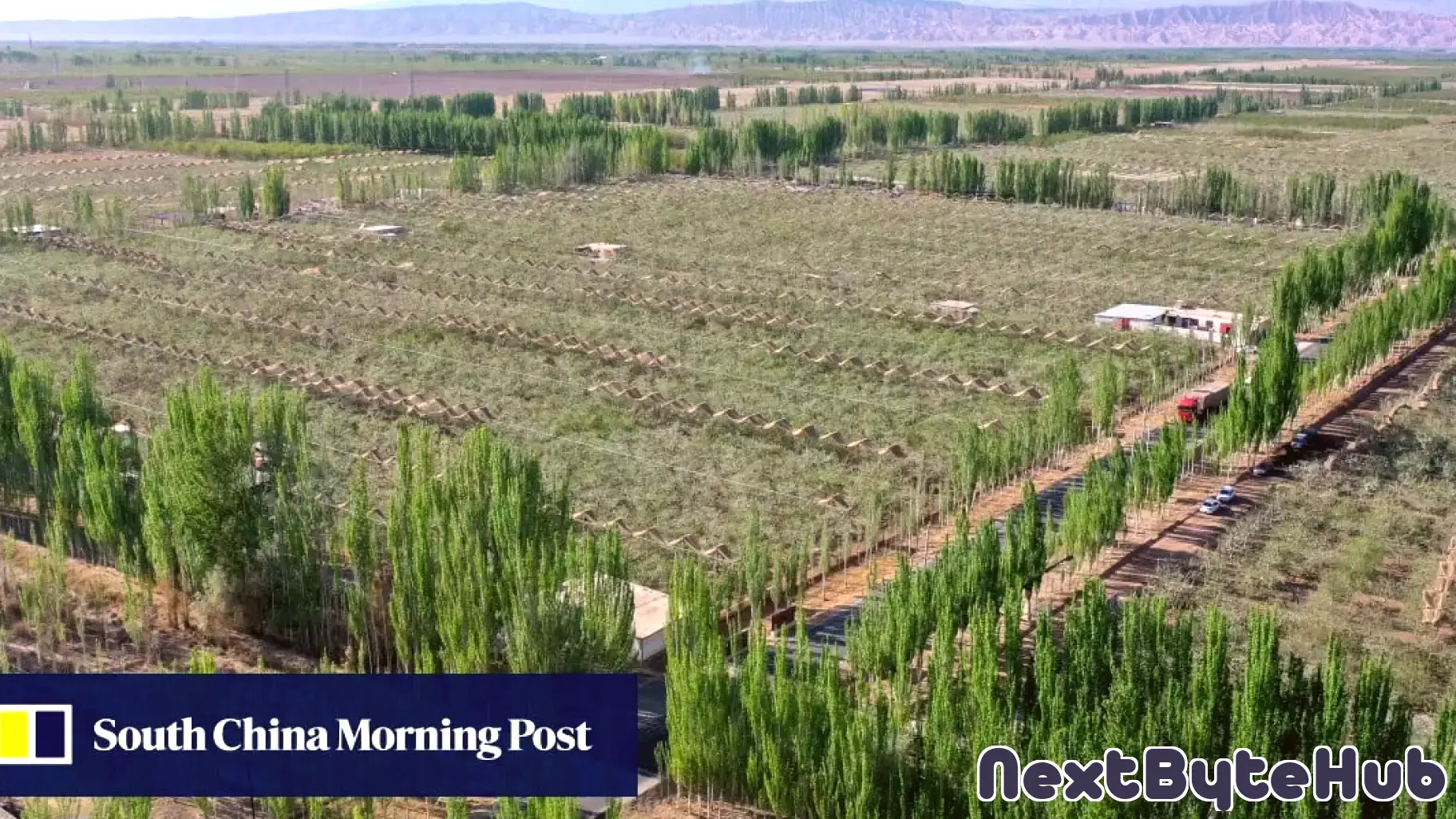
China has launched a fresh wave of anti-desertification projects in the Xinjiang region, using technology originally developed for the far side of the moon. The initiative aims to create a massive ecological barrier that will protect arable land from erosion and the creeping spread of deserts.
The new strategy relies on a special soil-binding material that was first tested in the harsh vacuum of lunar exploration. Engineers have adapted this substance to stabilize shifting sand dunes in the Taklamakan Desert, one of the world's largest shifting sand deserts. When mixed with sand, the material forms a crust that locks moisture in and prevents wind from lifting particles. This crust also allows seeds to germinate and roots to take hold, turning barren dunes into green strips over time.
Local authorities have already treated thousands of hectares along the edges of farmland and key transport routes. The goal is to build a continuous green belt that will shield crops from sandstorms and slow the desert's advance. Scientists involved in the project say the lunar-tested binder is more durable than traditional straw checkerboards or plastic nets, and it breaks down naturally after a few years without leaving toxic residue.
The effort is part of a broader national push to reclaim land lost to desertification. Xinjiang's agricultural output has been threatened by shifting sands that bury irrigation canals and cover fields. By combining space-age materials with large-scale planting, China hopes to turn the tide on a problem that has plagued the region for centuries. Early results show vegetation survival rates above 80 percent in treated areas, raising hopes that the desert can be pushed back for good.
MORE NEWS

August 9, 2026 - 00:24
‘AI slop’ crackdown: LinkedIn, Snap target low-quality gen-AI contentSocial platforms are starting to push back against the flood of generic, machine-generated posts, but they are doing so carefully. LinkedIn and Snap have both announced new measures aimed at...

August 8, 2026 - 05:47
Why GigaCloud Technology (GCT) Is Up 21.7% After Strong Q2 Results And New Buyback PlanGigaCloud Technology saw its stock surge 21.7% in early trading following the release of its second-quarter financial results and the announcement of a new capital return program. The company...
August 7, 2026 - 22:40
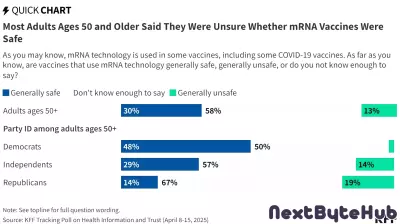
As FDA Approves First-Ever mRNA Flu Vaccine For Older Adults, Past KFF Polling Showed Most In This Age Group Were Uncertain About the Technology’s SafetyOn August 5, 2026, the U.S. Food and Drug Administration gave the green light to the first messenger RNA flu vaccine for adults aged 50 and older. The decision came after a clinical trial involving...
August 7, 2026 - 10:27
'Preparing learners to adapt': What Nebraska parents can expect around AI technology in schoolsThe Nebraska Department of Education held a workshop on Thursday to brief the state board on a new set of recommendations for using artificial intelligence in classrooms. The guidance is not a...