New Facial Recognition Technology to Aid in Tracking Illegal Migrants
December 26, 2025 - 22:47

Federal records reveal that the Department of Homeland Security (DHS) has awarded a significant contract to a tech firm for advanced facial-recognition software aimed at enhancing immigration enforcement efforts. The contract, valued at $3.75 million, is set to commence in September and will provide the Immigration and Customs Enforcement (ICE) agency with innovative tools to better monitor and track illegal migrants.
This decision highlights the increasing reliance on technology in managing immigration challenges. The new software is expected to improve the agency's ability to identify individuals and streamline operations. Advocates for immigration reform have raised concerns about privacy and the potential for misuse of such technology, emphasizing the need for stringent safeguards to protect individual rights.
As the implementation date approaches, discussions surrounding the ethical implications of facial recognition technology in immigration enforcement are likely to intensify, reflecting a broader debate on the balance between security and civil liberties in the digital age.
MORE NEWS

August 9, 2026 - 18:31
County agenda features tax, technology and fairgroundsThe meeting will center on how to fund the ongoing fairgrounds project, a long-discussed priority for the county. Officials are expected to review the latest cost estimates and possible revenue...

August 9, 2026 - 00:24
‘AI slop’ crackdown: LinkedIn, Snap target low-quality gen-AI contentSocial platforms are starting to push back against the flood of generic, machine-generated posts, but they are doing so carefully. LinkedIn and Snap have both announced new measures aimed at...

August 8, 2026 - 05:47
Why GigaCloud Technology (GCT) Is Up 21.7% After Strong Q2 Results And New Buyback PlanGigaCloud Technology saw its stock surge 21.7% in early trading following the release of its second-quarter financial results and the announcement of a new capital return program. The company...
August 7, 2026 - 22:40
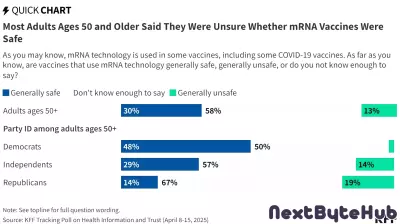
As FDA Approves First-Ever mRNA Flu Vaccine For Older Adults, Past KFF Polling Showed Most In This Age Group Were Uncertain About the Technology’s SafetyOn August 5, 2026, the U.S. Food and Drug Administration gave the green light to the first messenger RNA flu vaccine for adults aged 50 and older. The decision came after a clinical trial involving...