The Impact of Artificial Light on Our Connection to Moon Cycles
September 28, 2025 - 17:15

A recent study suggests that while the moon may still influence various aspects of human life, including sleep patterns, mood, and menstrual cycles, the prevalence of artificial light could be disrupting these natural rhythms. Researchers have long explored the relationship between lunar phases and human behavior, noting that the moon's cycles have historically been linked to various biological processes.
However, the introduction of artificial lighting has created a significant barrier to our innate connection with these natural cycles. The study indicates that exposure to artificial light, especially during the night, can interfere with the body's circadian rhythms and hormonal balance. This disruption may lead to altered sleep quality and mood fluctuations, which could mask the subtle effects of lunar phases.
As society becomes increasingly reliant on technology and artificial lighting, understanding the potential consequences on our health and well-being is crucial. The findings highlight the need for greater awareness of how modern living may be distancing us from the natural influences of the moon.
MORE NEWS

August 9, 2026 - 18:31
County agenda features tax, technology and fairgroundsThe meeting will center on how to fund the ongoing fairgrounds project, a long-discussed priority for the county. Officials are expected to review the latest cost estimates and possible revenue...

August 9, 2026 - 00:24
‘AI slop’ crackdown: LinkedIn, Snap target low-quality gen-AI contentSocial platforms are starting to push back against the flood of generic, machine-generated posts, but they are doing so carefully. LinkedIn and Snap have both announced new measures aimed at...

August 8, 2026 - 05:47
Why GigaCloud Technology (GCT) Is Up 21.7% After Strong Q2 Results And New Buyback PlanGigaCloud Technology saw its stock surge 21.7% in early trading following the release of its second-quarter financial results and the announcement of a new capital return program. The company...
August 7, 2026 - 22:40
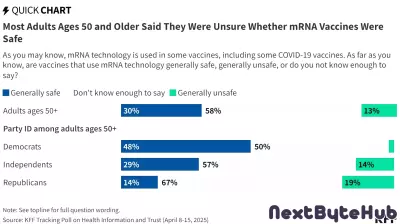
As FDA Approves First-Ever mRNA Flu Vaccine For Older Adults, Past KFF Polling Showed Most In This Age Group Were Uncertain About the Technology’s SafetyOn August 5, 2026, the U.S. Food and Drug Administration gave the green light to the first messenger RNA flu vaccine for adults aged 50 and older. The decision came after a clinical trial involving...