The Future of Voting Systems Through Blockchain Technology
16 March 2026
Let’s be real—voting systems today are stuck in the past. While nearly every other aspect of our lives has gone digital, secure, and streamlined, voting still looks like something out of the '90s... at best. Long lines, outdated machines, paper ballots, human error, and, of course, the ever-present fear of fraud. Sounds familiar, right?
But here's something exciting: imagine a voting system so secure, transparent, and tamper-proof that rigging an election would be virtually impossible. That's exactly what blockchain technology promises—a radical transformation of how we cast our votes. So, let’s unpack this futuristic idea and see how blockchain could be the game-changer we’ve all been waiting for.
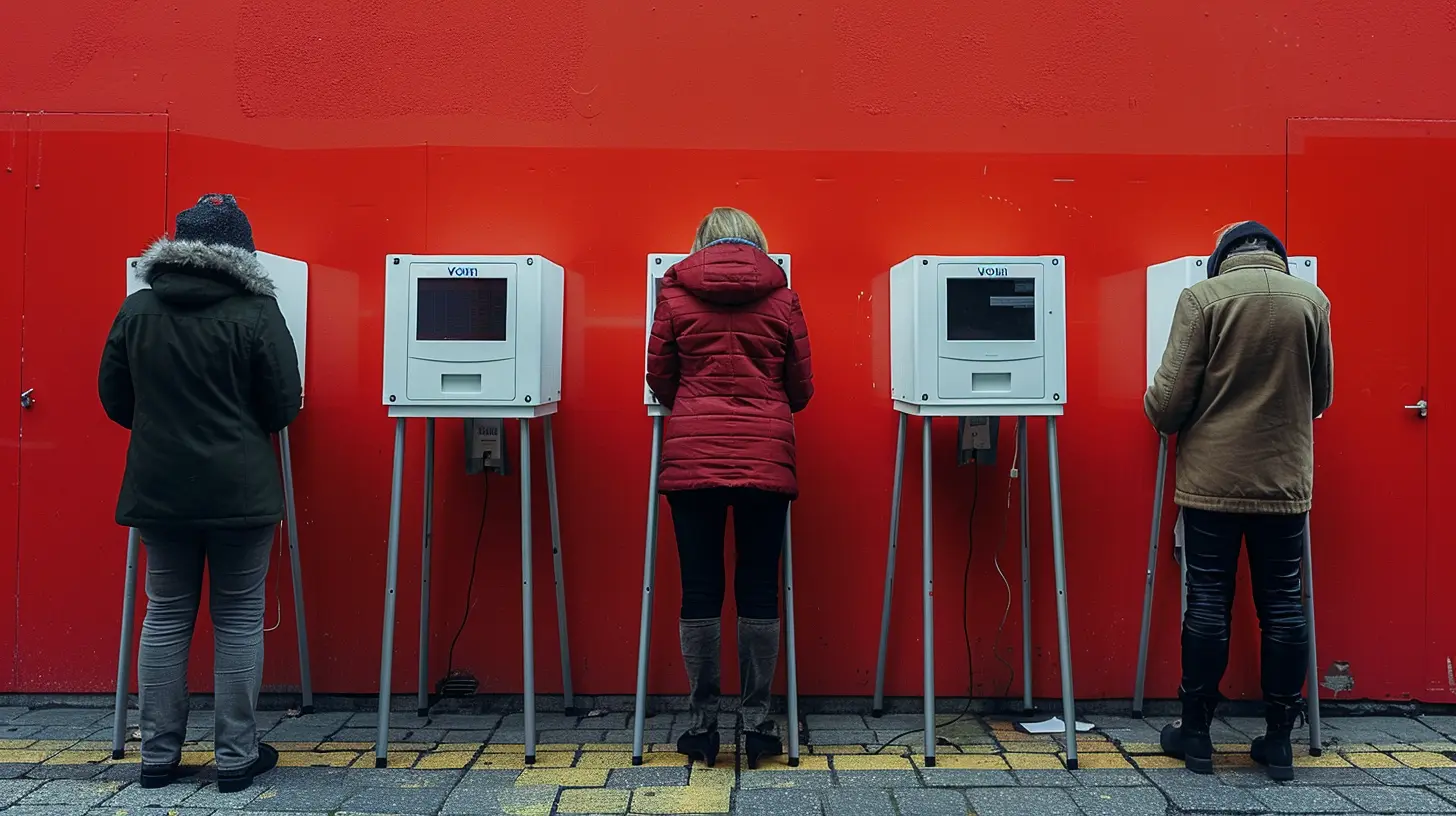
What’s the Problem with Current Voting Systems?
Before we dive into how blockchain swoops in like a superhero, let’s talk about the real issues dragging down our current system:- Lack of transparency: Voters often don’t trust that their votes are counted correctly.
- Security vulnerabilities: Hacking, vote tampering, and system malfunctions can and do happen.
- Accessibility issues: Disabled voters and citizens living abroad often struggle to vote easily.
- Inefficiency: Manual vote counting? Seriously? It’s 2024, folks.
These problems aren’t just annoying—they’re dangerous for democracy. If people don’t trust the system, they stop participating. And that’s a slippery slope.

What the Heck is Blockchain Anyway?
Okay, before we jump into the deep end, let’s simplify blockchain. Think of it like a Google Doc that everyone can access, but no one can change without everyone else knowing. Every time someone makes an entry (a transaction, a vote, whatever), it's recorded in a block. That block is linked to the previous one, forming a chain.Now here’s the magic: once a block is added to the chain, it’s nearly impossible to alter. Why? Because to change one block, you’d have to change all the blocks before it. That’s the kind of security even hackers dream of cracking—and fail.

Why Blockchain and Voting Are a Perfect Match
Blockchain isn’t just cool tech for crypto bros. It’s tailor-made for secure, transparent, and efficient voting systems. Here's how it solves those major pain points we just talked about:1. Tamper-Proof Security
Votes on a blockchain are recorded and encrypted in a way that prevents alteration. You can’t go back and mess with the data without everyone else knowing. That alone wipes out a huge chunk of the fraud risk.2. Full Transparency Without Sacrificing Privacy
Every transaction (a.k.a vote) is visible to everyone on the network—without revealing the identity of the voter. That means complete transparency and full voter anonymity. Yeah, you read that right. It keeps things honest without outing your political leanings.3. Quick and Reliable Counting
Forget waiting days or weeks for election results. Blockchain can count votes in real time. This means faster, more accurate outcomes, and way fewer headaches on election night.4. Universal Accessibility
Whether you’re living in a rural village or stationed overseas in the military, as long as you have an internet connection and a device, you can vote. Blockchain-powered voting systems can be mobile-friendly and available 24/7 during voting windows.
Real-Life Examples of Blockchain Voting in Action
This isn't just theory. Several countries and organizations have already dipped their toes into blockchain voting.- Estonia: This digital-forward country is already toying with blockchain for secure digital governance, including elections.
- Sierra Leone: Conducted a blockchain-based vote count in 2018. Small scale, but big implications.
- Utah County, USA: During the 2020 presidential election, some overseas voters used a blockchain-based app to cast their ballots.
Are these perfect systems? Nope. But they show that blockchain voting isn’t science fiction anymore—it’s happening.
The Challenges Holding It Back
As promising as blockchain voting sounds, it’s not without some serious hurdles:1. Digital Divide
Not everyone has access to reliable internet or smartphones. If we go too high-tech without addressing these gaps, we risk excluding millions of people from the democratic process.2. Scalability
Sure, blockchain works well for a few thousand users. But what about millions? Handling that kind of scale while keeping the system fast and secure is a major technical challenge.3. Regulatory and Legal Frameworks
Most election laws weren’t written with decentralized tech in mind. Governments would need to do a complete legal overhaul—and that’s no small task.4. Public Trust and Understanding
Let’s be honest—most people still associate “blockchain” with Bitcoin and shady online dealings. If voters don’t understand or trust the technology, they won’t adopt it. Education is key.
What Needs to Happen Next?
Okay, so how do we get from “cool idea” to “nationwide implementation”? Here’s a roadmap to making blockchain voting a reality:1. Pilot Programs in Local Elections
Start small. Municipal and local elections are the perfect testing grounds. We can work out the kinks before scaling up.2. Public Awareness Campaigns
We need to de-mystify blockchain. Explaining the tech in everyday language and showing how it protects voters will go a long way in building trust.3. Collaboration Between Developers and Governments
This isn’t something tech nerds can build in isolation. Governments, cybersecurity experts, and civic planners need to work hand-in-hand with developers.4. Open-Source Platforms
Transparency builds trust. By making blockchain voting systems open-source, anyone can audit the code and verify the system is secure.Could Blockchain Voting Actually Save Democracy?
In a world where misinformation spreads faster than wildfire and trust in institutions is at an all-time low, blockchain could be the anchor we desperately need. Just think about it…- No more hanging chads or sketchy recounts.
- No more voter suppression tactics.
- No more second-guessing the results.
Instead, voters get peace of mind. They can see their vote was counted, verify it themselves, and feel confident it wasn’t tampered with along the way.
Of course, blockchain isn’t some magic wand that’ll fix everything overnight. But it’s a strong contender for a much-needed upgrade to a failing system.
Final Thoughts: A Future That’s Worth Building
So, where do we go from here? We stop thinking of elections as sacred cows that can’t be modernized. We stop letting fear of the unknown keep us tied to broken systems.Instead, we lean into innovation. We ask the hard questions. We pilot, test, fail, learn, and try again.
The truth is, blockchain won’t solve every issue in electoral politics. But it offers something we haven’t had in a long time—hope. Hope for a system that’s more secure, more fair, and more accessible to everyone.
If we care about democracy—and I know you do—then this is a conversation we can’t afford to ignore. And who knows? The next time you vote, it might be with a tap on your phone, recorded on a blockchain, and counted before you even leave your couch.
Wouldn’t that be something?
all images in this post were generated using AI tools
Category:
Blockchain TechnologyAuthor:

Reese McQuillan
Discussion
rate this article
2 comments
Jace Carey
Great insights! Blockchain could really transform voting, making it more secure and accessible for everyone. Exciting times ahead!
March 21, 2026 at 12:15 PM
Reese McQuillan
Thank you! Absolutely — the potential for secure, transparent, and inclusive voting is what makes this such a pivotal moment for democracy.
Teagan Fields
Blockchain could enhance election security and transparency, but challenges in accessibility and trust remain.
March 18, 2026 at 1:49 PM
Reese McQuillan
Thank you for your insights! You're right—while blockchain offers promising solutions for election security and transparency, addressing accessibility and building trust will be crucial for its successful implementation.