The Role of Smart Displays in Creating a Smart Office Environment
3 June 2026
Smart offices aren’t just futuristic buzzwords anymore—they’re happening now. And at the heart of this revolution? Smart displays. You’ve probably seen them around: sleek screens hanging on walls, sitting on desks, or mounted in conference rooms. But they’re way more than just fancy screens. These devices are transforming how we work, communicate, and interact in today’s modern office spaces.
In this article, we’re diving deep into the role of smart displays in creating a truly smart office environment. We’ll look at how they boost productivity, improve communication, streamline workflows, and even make the workplace a bit more fun. Ready? Let’s jump in.
What Exactly Are Smart Displays?
Before we get ahead of ourselves, let’s clarify what a smart display really is.A smart display is a screen equipped with voice assistants, internet connectivity, touch controls, or even AI capabilities. Think of devices like Google Nest Hub, Amazon Echo Show, or professional-grade solutions like Microsoft Surface Hub and Cisco Webex Boards. They're crossovers between a traditional screen and a smart device.
These displays can do way more than just show weather updates or play the news—they can control lights, join video meetings, share presentations, manage calendars, and so much more.
They're the Swiss Army knives of modern workspace tech.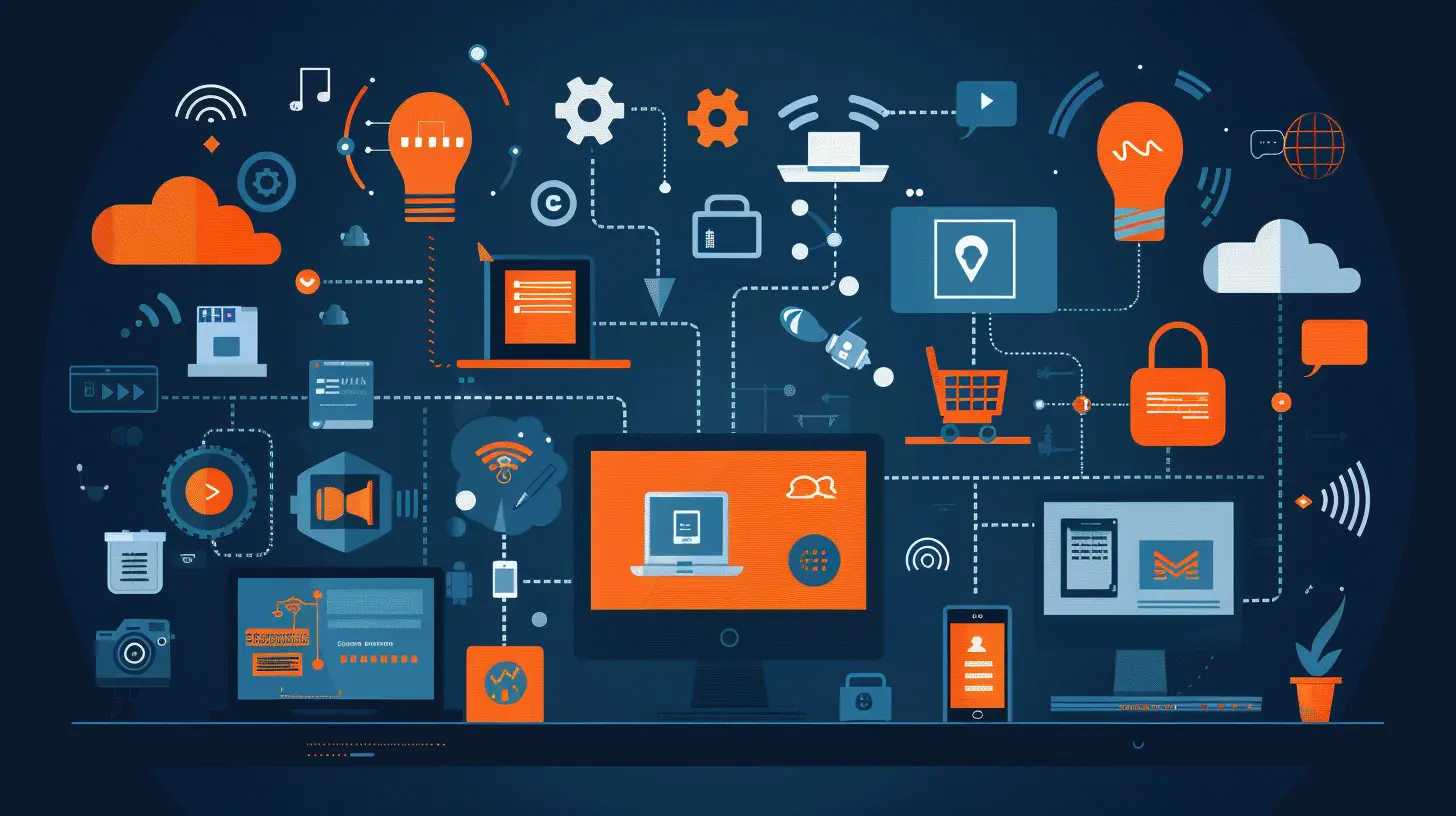
Why Are Smart Displays Gaining Popularity in Offices?
Let’s be honest—traditional offices had their fair share of tech troubles. Remember wrestling with VGA cables before a meeting? Or losing your mind trying to connect a laptop to a projector? Yeah, we’ve all been there.Enter smart displays.
They're designed to kill those headaches. In a world where hybrid work is trending, businesses need streamlined, flexible, and intuitive tools—and smart displays fit right in. Here’s why they’re becoming a must-have:
- Touchless interaction in a post-COVID world? Check.
- Easy remote collaboration? Absolutely.
- Real-time data access? You bet.
Smart displays don’t just replace old tech—they elevate it.
1. Enhancing Collaboration and Communication
Let’s start with the big one: collaboration.We’re working with teams spread across cities, countries, and even continents. Smart displays make communicating with them as easy as tapping a screen or saying a command.
a. Effortless Video Conferencing
With built-in cameras, microphones, and compatibility with platforms like Zoom, Teams, and Google Meet, smart displays eliminate the need for complicated setups. No more wasted time figuring out cables or mic settings.Just say, “Start meeting with marketing team,” and boom—you’re connected.
b. Real-Time File Sharing & Whiteboarding
Brainstorming is better when everyone’s on the same digital page. Smart displays let you sketch ideas on a digital whiteboard, annotate documents together, and save everything effortlessly.No markers, no lost notes—just clean, real-time collaboration.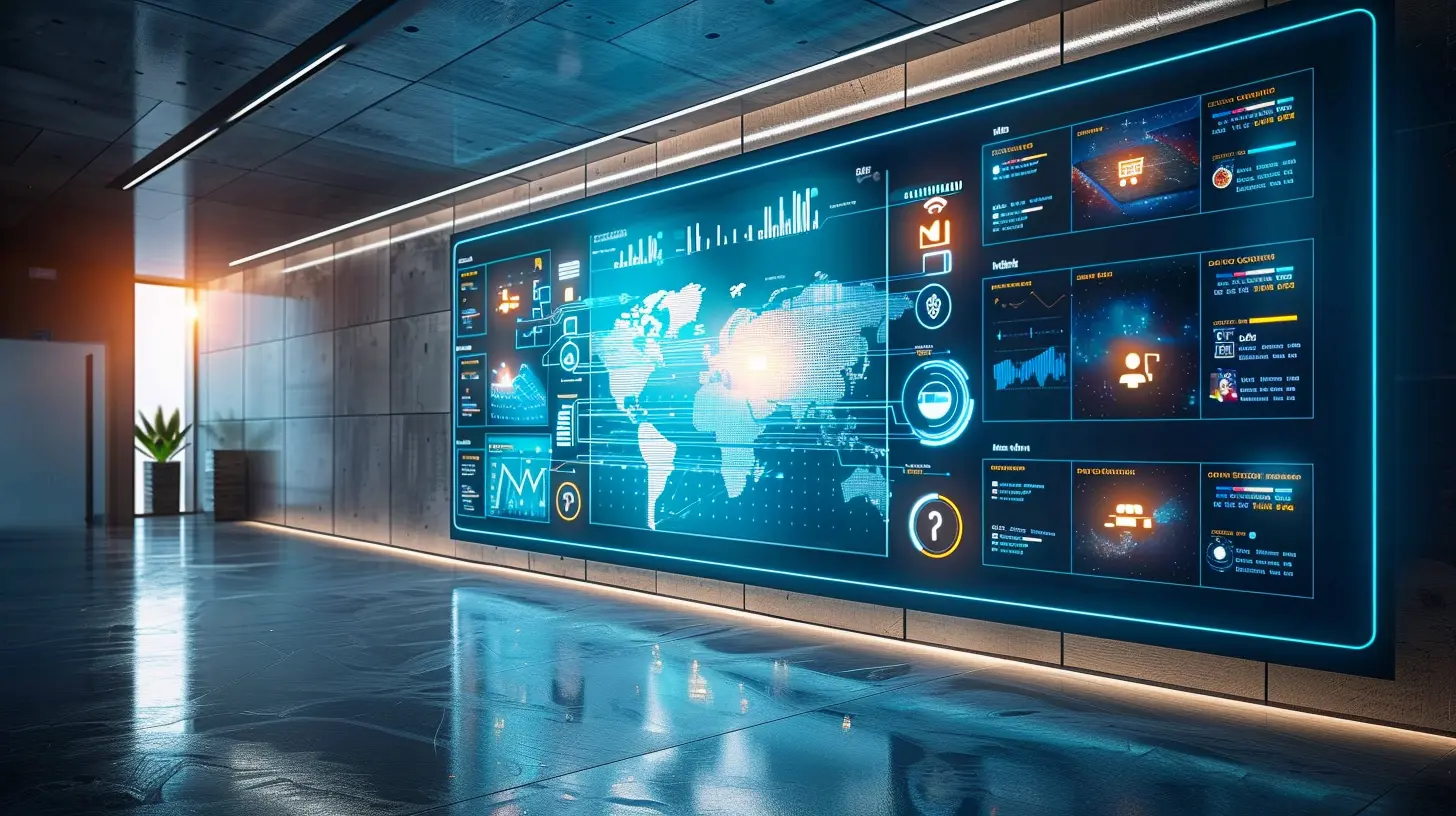
2. Boosting Office Productivity
You know those small interruptions throughout the day that totally kill your focus? Smart displays help cut them down.a. Automating Mundane Tasks
Scheduling meetings, booking rooms, setting reminders—it’s all doable with a simple voice command or a tap. It’s like having a digital assistant that never takes a coffee break.b. Personalized Workspaces
Smart displays can recognize faces or profiles and adapt settings accordingly. That means personalized dashboards, to-do lists, and even lighting or temperature preferences, all ready when you walk in.It's like your workspace knows you.
3. Seamless Integration with Other Smart Devices
A smart office isn’t complete without smart lighting, thermostats, door locks, and more. But managing them separately defeats the whole purpose, right?Smart displays act like the brain in your smart office ecosystem. They tie everything together.
a. Centralized Control Hub
With just one display, you can manage and monitor all your connected devices. Want to dim the lights for a presentation? Done. Need to adjust the temperature before a client meeting? Easy.b. Improved Energy Efficiency
Smart integrations mean you can automate energy-saving routines. When the office is empty, lights and HVAC systems power down. No more running air conditioning for an empty room.It’s better for your wallet and the planet.
4. Creating a Healthier and More Comfortable Workspace
Let’s talk wellness. After all, a happy employee is a productive one.Smart displays can play a big role in optimizing comfort and health in the workplace.
a. Air Quality and Lighting Adjustments
Some advanced systems can monitor CO2 levels, humidity, and lighting—and adjust them in real time. That means fewer headaches, less fatigue, and better focus.b. Reminders to Take Breaks
Smart displays can be programmed to remind employees to stretch, hydrate, or take breaks. It’s a gentle nudge that goes a long way in preventing burnout.And hey—it’s nice to know your tech actually cares.
5. Smarter Meeting Rooms
We've all suffered through meetings that got derailed by tech issues. But smart displays are swooping in to save the day.a. One-Tap Meeting Setups
No more double-checking the conference ID or shouting "Can you hear me now?" across the room. Smart displays streamline the process.- Tap to start the meeting.
- Know which room you're in and who's booked next.
- Share your screen wirelessly in seconds.
b. Interactive Agendas and Minutes
You can display a real-time agenda, take collaborative notes, and even record the meeting—all from the same screen. Everything’s saved and sent afterward, eliminating that “Who was supposed to write this down?” moment.6. Real-Time Data Dashboards
Imagine walking by a screen that shows your company’s key performance metrics in real time—sales progress, customer feedback, system alerts—all right there.Smart displays turn raw data into beautiful, digestible dashboards.
a. Transparency and Motivation
Having visual data helps teams stay focused and motivated. It keeps everyone on the same page and promotes a culture of openness.b. Quick Decisions
In a fast-moving environment, informed decisions can’t wait. Visual dashboards allow managers to act fast and make data-backed choices without opening a single spreadsheet.7. Welcome and Wayfinding Solutions
First impressions count. And smart displays make sure visitors and employees alike feel welcome and informed the moment they walk in.a. Digital Receptionists
Some smart displays function as virtual receptionists. They can check-in guests, notify hosts, print badges, or even deliver a welcome message.b. Directional Guidance
Large office? Smart displays can act like your internal GPS, guiding people to meeting rooms, restrooms, or departments. No more awkwardly asking someone where HR is.8. Security and Access Control
Smart displays are even making offices more secure.a. Face & Voice Recognition
Integrated biometrics can be used for authenticating users, unlocking doors, or granting access to digital files.b. Visitor Management
Smart displays ensure visitors are registered, tracked, and flagged if necessary—all while maintaining a user-friendly interface.It’s security with a smile.
9. Supporting Hybrid Work Models
As remote and in-office work blend, having the right tools is crucial for a seamless hybrid experience.Smart displays enable fluid communication and collaboration between remote and on-site employees. Interactive whiteboards, unified calendar integration, and synchronized time zones make working across distances feel like everyone’s in the same room.
It's the ultimate “anytime, anywhere” office solution.
Final Thoughts: Are Smart Displays Worth It?
Absolutely—but with a caveat. Like any tech investment, it’s got to be implemented thoughtfully. Slapping a bunch of smart displays on the wall won’t magically transform your office.However, when used strategically, they can seriously enhance productivity, collaboration, and overall office vibe. They're not just shiny toys—they're valuable tools in the modern workplace arsenal.
If you're aiming to future-proof your office, make things smoother, and keep your team happy and efficient, smart displays are a solid place to start.
all images in this post were generated using AI tools
Category:
Smart DisplaysAuthor:

Reese McQuillan
Discussion
rate this article
1 comments
Russell McClain
Smart displays truly enhance productivity.
June 21, 2026 at 3:55 AM
Reese McQuillan
Absolutely, smart displays streamline tasks and foster collaboration, making them essential for a productive office.