Bridging medical realities in the study of technology and health
March 22, 2026 - 04:42

The promise of medical technology often falls short when it reaches the complex realities of diverse communities. This critical gap is the focus of research by MIT anthropologist Amy Moran-Thomas, who investigates why innovations frequently fail to serve everyone equitably.
Moran-Thomas emphasizes that the lived experiences of patients and caregivers are frequently absent from the design and deployment of health technologies. Her work involves deep ethnographic engagement, revealing how factors like chronic illness management, economic hardship, and cultural contexts can create barriers to access that engineers and policymakers might overlook.
"What anthropology has to offer the world, and other knowledge systems, is the insights of people that might be missing from many accounts," she states. This approach uncovers the daily challenges individuals face, from the burdens of medical debt to the logistical hurdles of using devices in low-resource settings.
Her research argues for a more inclusive framework in health innovation—one that bridges the divide between technological potential and on-the-ground medical realities. By centering the voices of those most affected, Moran-Thomas advocates for solutions that are not only scientifically advanced but also truly accessible and responsive to human need.
MORE NEWS

August 9, 2026 - 00:24
‘AI slop’ crackdown: LinkedIn, Snap target low-quality gen-AI contentSocial platforms are starting to push back against the flood of generic, machine-generated posts, but they are doing so carefully. LinkedIn and Snap have both announced new measures aimed at...

August 8, 2026 - 05:47
Why GigaCloud Technology (GCT) Is Up 21.7% After Strong Q2 Results And New Buyback PlanGigaCloud Technology saw its stock surge 21.7% in early trading following the release of its second-quarter financial results and the announcement of a new capital return program. The company...
August 7, 2026 - 22:40
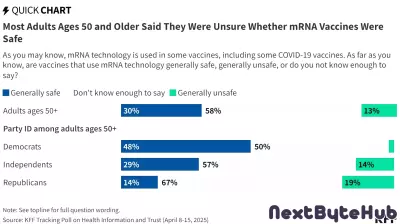
As FDA Approves First-Ever mRNA Flu Vaccine For Older Adults, Past KFF Polling Showed Most In This Age Group Were Uncertain About the Technology’s SafetyOn August 5, 2026, the U.S. Food and Drug Administration gave the green light to the first messenger RNA flu vaccine for adults aged 50 and older. The decision came after a clinical trial involving...

August 7, 2026 - 10:27
'Preparing learners to adapt': What Nebraska parents can expect around AI technology in schoolsThe Nebraska Department of Education held a workshop on Thursday to brief the state board on a new set of recommendations for using artificial intelligence in classrooms. The guidance is not a...