Innovative Heat-Seeking Technology Aids in Locating Missing Toddler in Michigan
April 9, 2025 - 06:14

In a remarkable development, heat-seeking technology played a crucial role in locating a missing 2-year-old child in Michigan. The toddler, who had wandered away from home wearing only a diaper, sparked a swift response from local authorities and community volunteers.
As night fell and temperatures dropped, search teams employed advanced thermal imaging equipment to scan the surrounding area. This technology detects body heat, allowing searchers to identify warm bodies even in low visibility conditions. The innovative approach yielded results when the child was spotted and quickly rescued, unharmed and safe.
Community members expressed relief and gratitude for the effective use of technology in this urgent situation. The successful recovery highlights the importance of modern tools in search and rescue operations, reinforcing the need for continued investment in such resources. The incident serves as a reminder of the potential dangers young children face and the critical nature of community vigilance and preparedness.
MORE NEWS

August 9, 2026 - 18:31
County agenda features tax, technology and fairgroundsThe meeting will center on how to fund the ongoing fairgrounds project, a long-discussed priority for the county. Officials are expected to review the latest cost estimates and possible revenue...

August 9, 2026 - 00:24
‘AI slop’ crackdown: LinkedIn, Snap target low-quality gen-AI contentSocial platforms are starting to push back against the flood of generic, machine-generated posts, but they are doing so carefully. LinkedIn and Snap have both announced new measures aimed at...

August 8, 2026 - 05:47
Why GigaCloud Technology (GCT) Is Up 21.7% After Strong Q2 Results And New Buyback PlanGigaCloud Technology saw its stock surge 21.7% in early trading following the release of its second-quarter financial results and the announcement of a new capital return program. The company...
August 7, 2026 - 22:40
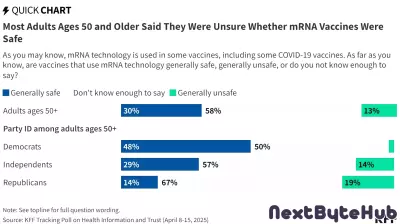
As FDA Approves First-Ever mRNA Flu Vaccine For Older Adults, Past KFF Polling Showed Most In This Age Group Were Uncertain About the Technology’s SafetyOn August 5, 2026, the U.S. Food and Drug Administration gave the green light to the first messenger RNA flu vaccine for adults aged 50 and older. The decision came after a clinical trial involving...