The Future of Phased Array Radar Technology: A Look Ahead
July 30, 2025 - 22:33
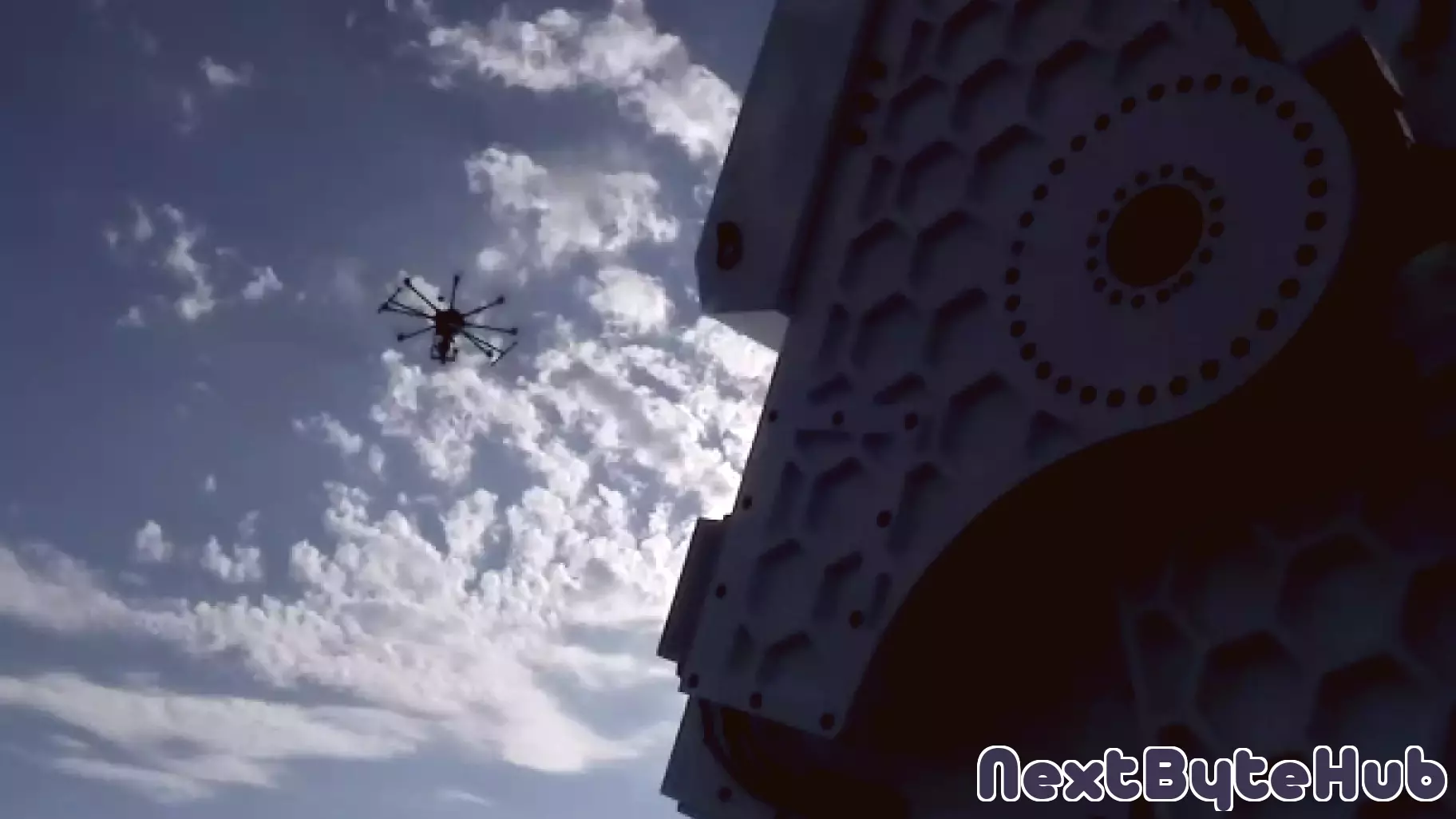
Time will tell if a radar like HORUS could one day replace all the weather service radars, which could happen within the next 10 to 15 years. Phased array radar technology has been gaining traction due to its ability to provide real-time data and improved accuracy in weather forecasting. Unlike traditional radar systems, which rotate to scan the environment, phased array radars use an array of antennas that can electronically steer beams to different directions without moving parts.
This technology allows for quicker updates and the ability to track severe weather events more effectively. As advancements continue, the potential for phased array radar systems to enhance public safety and emergency response capabilities is significant. Researchers and engineers are optimistic that as costs decrease and performance improves, these systems could become the standard in meteorological applications. The next decade will be crucial in determining the role of phased array radar in the future of weather monitoring and prediction.
MORE NEWS

August 9, 2026 - 18:31
County agenda features tax, technology and fairgroundsThe meeting will center on how to fund the ongoing fairgrounds project, a long-discussed priority for the county. Officials are expected to review the latest cost estimates and possible revenue...

August 9, 2026 - 00:24
‘AI slop’ crackdown: LinkedIn, Snap target low-quality gen-AI contentSocial platforms are starting to push back against the flood of generic, machine-generated posts, but they are doing so carefully. LinkedIn and Snap have both announced new measures aimed at...

August 8, 2026 - 05:47
Why GigaCloud Technology (GCT) Is Up 21.7% After Strong Q2 Results And New Buyback PlanGigaCloud Technology saw its stock surge 21.7% in early trading following the release of its second-quarter financial results and the announcement of a new capital return program. The company...
August 7, 2026 - 22:40
As FDA Approves First-Ever mRNA Flu Vaccine For Older Adults, Past KFF Polling Showed Most In This Age Group Were Uncertain About the Technology’s SafetyOn August 5, 2026, the U.S. Food and Drug Administration gave the green light to the first messenger RNA flu vaccine for adults aged 50 and older. The decision came after a clinical trial involving...